Best Time for Trekking in Nepal
- soleencounters
Nepal’s trekking seasons are as diverse as its landscapes—from snow-covered Himalayan passes to lush green hills and flower-filled forests. One of the most frequently asked questions by adventure seekers is: "When is the best time for trekking in Nepal?" The answer depends on the trail you choose, your weather preferences, and your goals.
Table of Contents
This comprehensive, month-by-month weather guide from Sole Encounters Trekking Pvt. Ltd. breaks down Nepal’s trekking conditions throughout the year, so you can plan the perfect trip—whether you're aiming for the iconic Everest Base Camp Trek, a peaceful walk to Annapurna Base Camp, or a remote journey to Upper Mustang.
Overview: Nepal’s Trekking Seasons
Nepal has four distinct seasons that affect trekking conditions:
-
Spring (March–May): Warm, dry, and full of blooming rhododendrons
-
Summer/Monsoon (June–August): Wet and humid, but ideal for rain-shadow regions
-
Autumn (September–November): Crisp, clear, and the most popular trekking season
-
Winter (December–February): Cold but quiet, best for lower altitude treks
Each month offers something different, and choosing the right one can elevate your trekking experience.
For broader details, visit our Trekking in Nepal category page.
Month-by-Month Trekking Weather Guide
January: Cold and Quiet
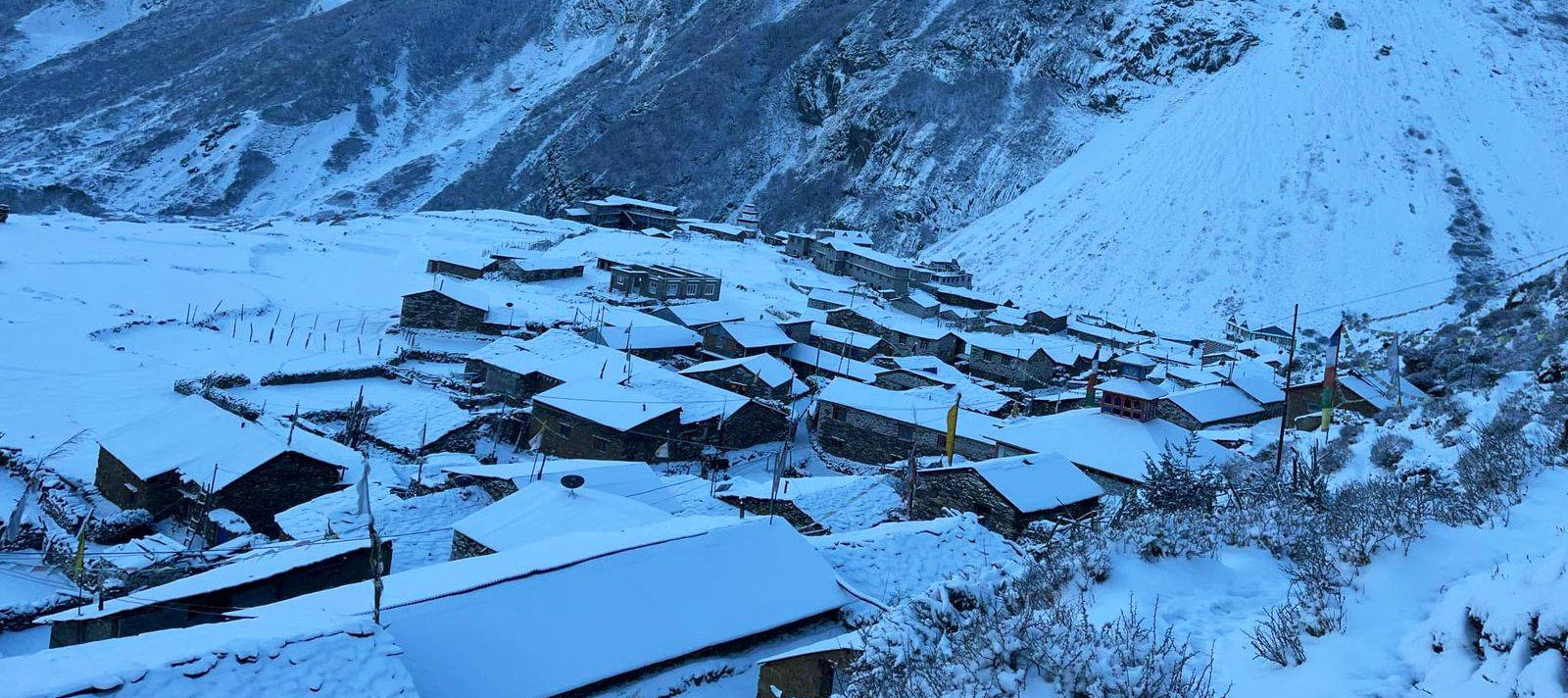
January is deep winter in Nepal. Higher trails like EBC and Annapurna Circuit can be extremely cold and snowy, while lower-altitude treks remain accessible.
-
Best For: Ghorepani Poon Hill Trek, Helambu Trek
-
Pros: Fewer crowds, clear skies
-
Cons: Cold temperatures, closed high passes like Thorong La
-
Temperature: -10°C to 10°C depending on altitude
Tip: Choose well-insulated gear and be prepared for snow above 3,500m.
February: Beginning of the Transition
The weather slowly begins to warm up in February. Snow may still linger at higher elevations, but days are longer and skies clearer.
-
Best For: Annapurna Base Camp, Langtang Valley
-
Pros: Increasing warmth, quiet trails
-
Cons: Still cold in alpine zones
-
Temperature: -5°C to 12°C
Tip: Ideal for those seeking solitude with slightly better weather than January.
March: Start of Spring and Rhododendron Bloom
March marks the beginning of one of the best trekking seasons in Nepal. The rhododendron forests bloom, and the trails are alive with trekkers from around the world.
-
Best For: Everest Base Camp, Manaslu Circuit Trek, Mardi Himal Trek
-
Pros: Colorful landscapes, improving weather
-
Cons: Early spring can still bring snow at high passes
-
Temperature: 0°C to 18°C
Tip: Book flights and lodges early, as this marks the return of high-season trekking.
April: Peak Spring Season
April is one of the most popular months for trekking. Weather is stable, visibility is excellent, and flowers are in full bloom across mid-hill regions.
-
Best For: Any classic trek—EBC, ABC, Annapurna Circuit, Gokyo Lakes
-
Pros: Warm, dry days and stunning mountain views
-
Cons: Crowds in high-demand areas
-
Temperature: 5°C to 22°C
Tip: Consider less-trodden routes like Upper Dolpo Trek if you want quieter trails.
May: Warm and Pre-Monsoon
May sees rising temperatures and the start of pre-monsoon humidity. Afternoon clouds and brief showers are more common, but mornings remain mostly clear.
-
Best For: Upper Mustang Trek, EBC (early May)
-
Pros: Less crowded than April
-
Cons: Hazy views at lower elevations
-
Temperature: 10°C to 28°C
Tip: Trek early in the day to avoid afternoon haze or storms.
June: Start of Monsoon
Monsoon season begins in June, bringing heavy rainfall across most of Nepal. This is generally not ideal for trekking unless you're headed to rain-shadow zones.
-
Best For: Upper Mustang, Nar Phu Valley
-
Pros: Green landscapes and wildflowers
-
Cons: Wet, leech-prone trails, limited visibility
-
Temperature: 15°C to 30°C
Tip: Use waterproof gear and quick-dry clothes. Avoid steep or landslide-prone areas.
July: Peak Monsoon
July is the wettest month in Nepal. Landslides, trail erosion, and limited flights are common challenges.
-
Best For: Rain-shadow regions only
-
Pros: Fewer tourists, unique photographic opportunities
-
Cons: Poor trail conditions in most areas
-
Temperature: 16°C to 29°C
Tip: Trekking in Mustang or Dolpo is still possible with proper planning and support.
August: End of Monsoon
Rainfall begins to taper off by late August. Though clouds still linger, trekking in select areas becomes feasible again.
-
Best For: Upper Mustang, lower Annapurna routes (carefully planned)
-
Pros: Fewer crowds, lush greenery
-
Cons: Unpredictable weather, slippery trails
-
Temperature: 16°C to 28°C
Tip: Trek with a guide who knows how to manage changing trail conditions.
September: Start of Autumn Trekking Season
September marks the beginning of the best trekking season in Nepal. Rain clears, skies open up, and the mountains appear in full glory.
-
Best For: Everest, Annapurna, Langtang, Manaslu
-
Pros: Clean air, lush trails, perfect for photography
-
Cons: Early September can still bring some showers
-
Temperature: 10°C to 24°C
Tip: Book early for popular treks like EBC and ABC as this is a high-demand period.
October: Peak of Autumn Trekking
October is arguably the best month for trekking in Nepal. The weather is stable, skies are clear, and visibility is exceptional.
-
Best For: All treks including Everest, Annapurna, Manaslu, Gokyo, and more
-
Pros: Perfect conditions and stunning views
-
Cons: Crowds and fully booked lodges
-
Temperature: 8°C to 22°C
Tip: October is ideal for first-time trekkers and those wanting the best Himalayan panoramas.
November: Still Excellent, Less Crowded
November continues the favorable conditions of October but with fewer crowds. Nights get colder, especially above 3,500m.
-
Best For: Classic and remote treks like EBC, ABC, Upper Mustang
-
Pros: Clear skies and quieter trails
-
Cons: Cold mornings and evenings
-
Temperature: 5°C to 20°C
Tip: A perfect month if you want high visibility without October’s busyness.
December: Beginning of Winter
By December, the high passes begin to close due to snow, but lower and mid-altitude treks remain comfortable and peaceful.
-
Best For: Ghorepani, Langtang Valley, Helambu
-
Pros: Solitude and great photography light
-
Cons: Snowfall may block some high-altitude trails
-
Temperature: -5°C to 15°C
Tip: Carry proper winter gear and be flexible with your itinerary.
Which Month Is Best for You?
Here's a quick summary based on goals:
-
For clear skies and best views: October, November, April
-
For blooming flowers and spring colors: March, April
-
For fewer crowds and budget travel: December–February
-
For rain-shadow trekking: June–August
-
For festival season (Dashain/Tihar): October–November
Whether you’re headed to Everest Region, Annapurna Region, or planning your first Trekking in Nepal experience, our local experts help you choose the perfect time based on your desired trek, trail conditions, and personal comfort.
Final Thoughts: Plan the Right Time for Your Himalayan Adventure
Trekking in Nepal is possible year-round, but choosing the right season and month can make a world of difference. From the crystal-clear skies of October to the floral magic of April, each window offers its own flavor of adventure.
At Sole Encounters Trekking Pvt. Ltd., we specialize in tailoring treks based on season, region, and your fitness level. Let our local knowledge and logistical expertise ensure your journey is not just successful—but truly unforgettable.
Need help planning your trek?
Contact our team for personalized recommendations, permits, and itinerary planning.
Trek smart. Trek safe. Trek with Sole Encounters.
Recent Posts
.jpg)
3rd Jul, 2025
.jpg)
4th Jul, 2025
.jpg)
4th Jul, 2025
.jpg)
7th Jul, 2025
.jpg)
8th Jul, 2025
.jpg)
8th Jul, 2025
.jpg)
8th Jul, 2025

10th Jul, 2025