

- Home »
- Nepal »
- Peak Climbing in Nepal »
- Mera Peak Climbing
Mera Peak Climbing
Key Information
Mera Peak Climbing Overview
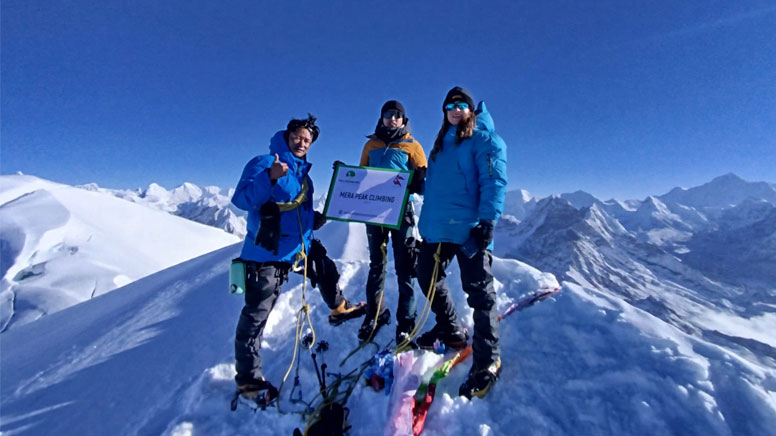
Warm greetings from the heart of the Himalayas. The 16-day Mera Peak Climbing expedition offers a truly rewarding journey to 6,476 meters, the highest trekking peak Climbing in Nepal. Set in the remote Hinku Valley within the pristine Makalu Barun region, this adventure combines untouched natural beauty, authentic mountain culture, and a genuine high-altitude climbing experience, Far from crowded trails, this route takes you into a quieter and more personal side of the Himalayas, where each step brings a deeper sense of connection and purpose. The itinerary is carefully designed to balance time efficiency with proper acclimatization, safety, and preparation. From your arrival in Kathmandu to the final summit push, every stage is thoughtfully planned to build your confidence and readiness,With experienced guidance, strong logistical support, and the right mindset, this journey becomes more than a climb. It becomes a meaningful personal achievement and a lifelong memory.
History, Region, and Natural Diversity
Mera Peak holds an important place in Himalayan history, first climbed in 1953 by Colonel Jimmy Roberts and Sen Tenzing. This achievement helped open Nepal to trekking and mountaineering, showing that high Himalayan summits could be reached without extreme technical difficulty. Today, Mera Peak continues to inspire climbers from around the world who want to experience a real Himalayan summit. The route lies within the Makalu Barun National Park, one of the most pristine and biodiverse regions in Nepal. As you move through the Hinku Valley, you experience dramatic changes in landscape, from lush forests and rivers to alpine meadows and glacier terrain. The region is rich in wildlife, natural beauty, and untouched environments, making the journey feel raw and authentic. This diversity is what makes Mera Peak not just a climb, but a complete Himalayan experience.
Culture, Trekking, and Climbing Experience
Beyond the mountains, this journey connects you with the culture and people of the region. You pass through traditional villages inhabited by Sherpa and Rai communities, where life is simple, warm, and deeply connected to nature. Staying in local teahouses, sharing meals, and experiencing genuine hospitality adds emotional depth to the journey. The trekking phase allows your body to gradually adapt to altitude while enjoying peaceful trails and beautiful landscapes. As you reach Khare, the climbing phase begins with practical training in using crampons, ice axe, and rope techniques. This ensures you feel confident before moving onto glacier terrain. The climb continues to High Camp, followed by an early summit push that tests your endurance and determination. Reaching the summit is not just about standing on top, it is about the entire journey that leads you there.
Mera Peak Climbing Cost in Nepal
The cost of Mera Peak Climbing in Nepal typically ranges from USD 2,200 to 2,800, depending on the level of service and climbing support. With Sole Encounters Adventures, the price includes permits, domestic flights, accommodation, meals, experienced climbing guides, and full expedition logistics, We maintain complete transparency with no hidden costs. Every detail of your climbing journey is clearly explained in advance, ensuring you are fully prepared, confident, and ready for a safe and successful Himalayan expedition.
Mera Peak Climbing Difficulty
Mera Peak Climbing is considered moderate to challenging, mainly due to high altitude rather than technical difficulty. The climb does not require advanced mountaineering skills, but it demands strong physical fitness, endurance, and mental strength, Above 6,000 meters, the reduced oxygen level becomes the main challenge. With proper acclimatization, basic training, and guidance from experienced climbing leaders, many first-time climbers successfully reach the summit. This makes Mera Peak an ideal choice for those starting their Himalayan climbing journey.
Mera Peak Climbing Success Rate
Mera Peak Climbing has a high success rate of around 90 to 95 percent when proper acclimatization, preparation, and expert guidance are followed. With our carefully designed itinerary, experienced climbing guides, and strong safety approach, most climbers successfully reach the summit, We focus on steady pacing, health monitoring, and full support throughout the expedition. With the right preparation and mindset, this climb becomes a safe, achievable, and highly rewarding Himalayan experience.
👉This is not just a climb, it is your first real step into Himalayan mountaineering.
Mera Peak Climbing vs Island Peak Climbing
Mera Peak Climbing and Island Peak Climbing offer different levels of challenge and experience. Mera Peak Climbing is less technical and focuses more on endurance and altitude, making it suitable for beginners entering mountaineering, Island Peak Climbing is more technical, involving steeper sections and fixed rope climbing, ideal for those seeking a more advanced climbing experience.If you are looking for your first Himalayan summit, Mera Peak Climbing is the perfect starting point.
Mera Peak vs Lobuche Peak Climbing
Mera Peak Climbing and Lobuche Peak Climbing are both rewarding Himalayan expeditions, but they offer different levels of challenge. Mera Peak is less technical and focuses on endurance, altitude, and glacier travel, making it ideal for beginners starting their mountaineering journey, Lobuche Peak Climbing is more technical, involving steeper terrain, fixed rope sections, and advanced climbing skills. It is better suited for experienced climbers seeking a more demanding challenge, If you are beginning your Himalayan climbing experience, Mera Peak is the perfect first step. For a more advanced and technical climb, Lobuche Peak is the next level.
Eco Tourism and Responsible Travel
This journey takes place in a fragile mountain environment, and responsible travel is essential. At Sole Encounters Adventures, we are committed to eco-friendly practices that protect the natural beauty of the Himalayas. We promote minimal waste, respect for local culture, and support for local communities throughout the journey. By choosing this expedition, you are not only achieving a personal goal but also contributing to sustainable tourism that benefits both nature and people. Traveling responsibly adds deeper meaning to your adventure and helps preserve these mountains for future generations.
Mera Peak Climbing Route
Your journey begins in Kathmandu with arrival and cultural sightseeing, followed by a scenic drive to Manthali and flight to Lukla. The trek enters the remote Hinku Valley via Chhutang, crossing Zatrwa La to reach Tuli Kharka, then descends to Kothe and gradually ascends through Thaknak to Khare. After acclimatization and climbing training, you move to Mera High Camp via Mera La. The summit push to 6,476 meters is the highlight, followed by descent to Khare. A reserve day ensures flexibility. The return route passes through Kothe, Thuli Kharka, and Lukla, before flying back and concluding your journey in Kathmandu.
Why Choose Sole Encounters Adventures
At Sole Encounters Adventures, we combine local expertise, safety, and honest service to deliver a reliable climbing experience. Our experienced guides support you at every step, ensuring your journey is well managed and safe.
We carefully manage all logistics and maintain complete transparency throughout your journey. Every detail is clearly explained before your trip, so you arrive well prepared, confident, and ready for a safe and smooth Mera Peak climbing experience.
Explore More Trips and Start Your Next Himalayan Adventure
If you are still exploring, now is the perfect time to find the right trip that matches your goals, experience, and timeline. Nepal offers far more than just one route, and choosing the right journey can make all the difference in your experience, For trekking lovers, you can go for iconic routes like Everest Base Camp, Gokyo Lakes, or the Annapurna Circuit Trek. If you prefer shorter but rewarding adventures, Ghorepani Poon Hill Trek and Mardi Himal Base Camp Trek are excellent choices with stunning views in fewer days. For quieter and more cultural experiences, Langtang Valley Trek and Tamang Langtang Heritage Trek offer peaceful trails close to Kathmandu.
If you want to level up your adventure, peak climbing is the next step. Yala Peak Climbing is perfect for beginners who want their first Himalayan summit. Lobuche Peak Climbing and Island Peak Climbing offer a more technical and rewarding challenge in the Everest region. Pisang Peak Climbing is another great option that combines trekking with real climbing experience in the Annapurna region, These climbs give you the chance to stand on a Himalayan summit, not just walk through it, At Sole Encounters Adventures, we do not just sell trips, we help you choose the right one with honest advice, proper planning, and strong safety standards. Every trip is carefully organized by experienced local guides who understand the mountains and your expectations.
Highlights of The Mera Peak Climbing
Mera Peak Climbing offers a complete Himalayan adventure that combines trekking, culture, and high-altitude climbing. You will summit Mera Peak at 6,476 meters and enjoy breathtaking panoramic views of Everest, Lhotse, Makalu, Cho Oyu, and Kanchenjunga. The journey takes you through the remote Hinku Valley, offering peaceful trails far from crowded routes. You will explore the diverse landscapes of Makalu Barun National Park and experience authentic local culture in traditional villages. The expedition includes proper acclimatization, practical climbing training, and glacier travel, making it ideal for those stepping into mountaineering. With experienced guides, full logistical support, and a strong focus on safety, this journey is both challenging and deeply rewarding, creating memories that last a lifetime.
Safety, Training, and Physical Fitness
Your safety is our top priority throughout the Mera Peak Climbing expedition. The climb is considered moderate to challenging, mainly due to high altitude rather than technical difficulty. We follow a well-planned itinerary with gradual ascent, proper acclimatization, and daily health monitoring to reduce risks and keep you safe at every stage. At Khare, you spend two important days for acclimatization and practical training. During this time, our guides teach you how to walk safely on snow using mountaineering boots, along with the correct use of crampons, ice axe, harness, and basic rope techniques. This hands-on practice builds confidence before moving to higher camps, Good physical fitness is essential. You should be able to trek 5 to 7 hours daily with strong endurance and mental resilience. With preparation, guidance, and determination, this climb becomes achievable and rewarding.
Before and After the Trip in Kathmandu
Your journey begins and ends in Kathmandu, giving you time to prepare and relax. Before the expedition, we assist you with trip briefing, equipment check, and final preparation to ensure you are fully ready for the climb. You also have the opportunity to explore Kathmandu’s cultural landmarks, temples, and heritage sites, adding a meaningful start to your adventure.
After completing your climb, you return to Kathmandu to rest and celebrate your achievement. The exciting flight to Lukla marks the true beginning of your journey, taking you from the city into the heart of the Himalayas.
Local Expertise
Our strength lies in deep local knowledge and real Himalayan experience. Our guides understand the terrain, culture, and conditions, ensuring a safe and smooth journey. With strong local connections and hands-on support, we manage every detail efficiently, helping you travel with confidence and experience the mountains the right way.
Climbing-Focused Experience
This is a true Mera Peak climbing expedition, not just a trek. The journey includes glacier travel, use of essential climbing gear, and hands-on training at higher altitude. You learn to walk on snow with crampons, use an ice axe, and follow rope techniques, making the experience practical, safe, and focused on real Himalayan climbing.
Start Your Mera Peak Climbing Journey Today
Limited spots for Spring and Autumn departures fill quickly, so secure your place early. Join a high success rate expedition guided by experienced professionals who prioritize your safety and comfort. Book with trusted local experts and take the first step toward achieving your Himalayan summit with confidenc
🌐 www.soleencounterstrek.com
📧 info@soleencounterstrek.com
📱 WhatsApp: +9779808979061
Mera Peak Climbing Itinerary Close All
Welcome to Nepal. As you arrive in Kathmandu, our team warmly welcomes you and transfers you to your hotel. This day is designed to help you relax, recover, and settle into the atmosphere of the Himalayas. In the evening, you receive a detailed expedition briefing, including equipment check and preparation, so you feel confident and fully ready for the journey ahead.
Duration: Arrival day | Distance: No walking
Food
Welcome Dinner
Accommodation
Hotel
Elevation
1350
Today begins with exploring Kathmandu’s cultural and historical landmarks, offering a meaningful introduction to Nepal’s rich heritage. After sightseeing, you drive toward Manthali through scenic hills, rivers, and local settlements. This journey gradually shifts your focus from city life to the mountains, building excitement for the adventure ahead.
Duration: 5 to 6 hours drive | Distance: Approx. 132 km drive
Food
Breakfast
Accommodation
Glamping
Elevation
474
An early and exciting mountain flight takes you to Lukla, where your real journey begins. From here, you walk along peaceful forest trails with gentle ascents and fresh mountain air. The route is gradual, allowing your body to adjust naturally to altitude while you begin to connect with the rhythm of the Himalayas. In case of bad weather, flights may be delayed. You may need to wait for the next available flight, or if you prefer, helicopter service can be arranged on the same day at an additional cost. Please feel free to discuss options with us in advance for better planning and flexibility.
Duration: 5 to 6 hours walk / Distance: 8 to 10 km / Trail: Gradual uphill
Food
Breakfast / Lunch / Dinner
Accommodation
Teahouse
Elevation
3300
Today’s trek covers about 8 km (6 -7 hours) on a moderately difficult trail with steep ups and some downs. The route passes through beautiful alpine forests and meadows, with snowy patches at higher altitudes. The trail can be slippery, so go slow and follow your guide’s safety tips.
Your destination, Tuli Kharka, is a small settlement known for its warm and
Today you climb steadily to cross Zatrwa La Pass at around 4,600m, an important high point that also helps with acclimatization. The trail is moderately challenging with steep uphill sections followed by a descent to Tuli Kharka. The route passes through alpine forests and open meadows, with some rocky and uneven sections.
After crossing the pass, you descend to Tuli Kharka, where you stay in a peaceful teahouse and rest after a rewarding day in the mountains.
Duration: 6 to 7 hours / Distance: Approx. 10 to 12 km / Trail: Steep uphill then downhill
Food
Breakfast / Lunch / Dinner
Accommodation
Teahouse
Elevation
4300
You descend into the beautiful Hinku Valley, following a peaceful trail through forests and alongside rivers. The route is more relaxed with mostly downhill and flat sections, giving your body time to recover while still progressing deeper into the remote mountain environment.
Duration: 6 to 7 hours / Distance: 9 to 11 km / Trail: Downhill and flat
Food
Breakfast / Lunch / Dinner
Accommodation
Teahouse
Elevation
3691
Today you continue your journey deeper into the Hinku Valley toward Thaknak, with the landscape becoming more alpine and dramatic. The trail follows the river and passes through open valleys with stunning mountain views along the way.
You will walk on a mix of gradual uphill sections and some flat terrain, making it a steady day as you gain altitude. The surroundings become quieter and more remote, adding to the high Himalayan experience. After around 5–6 hours of trekking, arrive at Thaknak and rest in a local teahouse.
Distance: approx. 8–10 km (5–6 miles) | Trek: 6 hours
Food
Breakfast / Lunch / Dinner
Accommodation
Teahouse
Elevation
4326
Today you trek to Khare, the main base for Mera Peak climbing, surrounded by glaciers and high mountain views. The trail is a steady uphill walk with some rocky sections and short flat stretches as you gain altitude.
After 5–6 hours, arrive at Khare and settle into a teahouse. You will stay here for two nights, allowing proper acclimatization and time to learn basic climbing skills and discuss the plan ahead with your guides.
Distance: approx. 6–7 km (4–4.5 miles) | Trek: 5–6 hours
Food
Breakfast / Lunch / Dinner
Accommodation
Teahouse
Elevation
5040
Today is a key day to help your body adjust and build confidence for the climb ahead. You will hike toward Mera La for acclimatization, surrounded by stunning glacier views and high Himalayan peaks, a truly inspiring experience that brings you closer to your goal.
During the day, you will receive hands-on training in using climbing equipment and basic techniques. This is your time to learn, practice, and feel prepared.
You will also meet your climbing guide to discuss the plan ahead, check and hire any required equipment, and finalize all details for the summit push.
This day is not just preparation, it is the moment where your dream starts to feel real.
Food
Breakfast / Lunch / Dinner
Accommodation
Teahouse
Elevation
5040
Today you trek to Mera High Camp via Mera La, walking across glacial terrain with incredible mountain views. Take it slow and steady as you gain altitude. Along the way, you will practice walking with climbing boots and get comfortable with the gear you will use for the summit.
The trail involves gradual climbs on snow and ice, guided closely by your climbing team.
After 6–7 hours, reach High Camp and take time to rest. In the evening, sit with your team to discuss the plan ahead, what to carry for the summit push, and final preparations for the big day.
Distance: approx. 6–8 km (4–5 miles) / Trek: 6–7 hours
Food
Breakfast / Lunch / Dinner
Accommodation
Tented Camp
Elevation
5800
Today is the most important and unforgettable day of your journey. You start very early in the morning, moving slowly and steadily under the guidance of your climbing team. Safety always comes first, so you climb as a team, supporting and helping each other every step of the way.
The route follows gradual snow slopes and glacier terrain, with breathtaking views as the sun rises over the Himalayas. Reaching the summit of Mera Peak is a powerful and emotional moment, a true achievement that stays with you for life.
After celebrating at the top, you carefully descend back to Khare with your team.
Distance: approx. 10–12 km (6–7 miles) / Duration: 8–10 hours
Food
Breakfast / Lunch / Dinner
Accommodation
Teahouse
Elevation
5800
Today is an extra reserve day for flexibility and safety. If you don’t feel well or need extra time to acclimatize, this day can be used for rest. It helps manage delays from weather or health issues, reduces altitude sickness risk, and ensures a successful and safe Mera Peak climb.
Food
Breakfast / Lunch / Dinner
Accommodation
Teahouse
Elevation
5040
Today you descend back to Kothe, returning much lower in altitude and starting to feel stronger and more comfortable. The trail follows familiar paths with a mix of downhill, gentle ups, and some flat sections.
It is a more relaxed day where you can enjoy the scenery and reflect on your summit achievement. After 6–7 hours of trekking, arrive at Kothe and rest in a cozy teahouse.
Distance: approx. 10–12 km (6–7 miles) / Trek: 6–7 hours
Food
Breakfast / Lunch / Dinner
Accommodation
Teahouse
Elevation
3700
Today you leave the Hinku Valley and trek toward Thuli Kharka, gradually gaining altitude again. The trail climbs through forests and open ridges, offering beautiful views of the surrounding mountains and valleys.
The route includes steady uphill sections with some downhill and short flat stretches, making it a moderately challenging day. Take it slow and enjoy the peaceful trail as you move closer to the final crossing point.
After around 6–7 hours of trekking, arrive at Thuli Kharka and rest in a local teahouse.
Distance: approx. 10–12 km (6–7 miles) / Trek: 6–7 hours
Food
Breakfast / Lunch / Dinner
Accommodation
Teahouse
Elevation
4300
Today is your final trekking day in the Himalayas and one of the most memorable. You will cross the challenging Zatrwa La Pass (4,600 m), so start early, walk slowly, and stay together as a team. The climb is demanding, but reaching the top brings a strong sense of achievement with breathtaking panoramic mountain views.
After the pass, descend carefully toward Lukla through varied terrain.
By evening, arrive in Lukla for your last night in the mountains. Gather with your crew, share stories, enjoy dinner and drinks, and celebrate your incredible journey together.
Do not worry about the next day, we will confirm your flight time and manage everything smoothly.
Distance: approx. 12–14 km (7–9 miles) | Trek: 7–8 hours
Food
Breakfast / Lunch / Dinner
Accommodation
Teahouse
Elevation
2860
Today you fly back from Lukla to Kathmandu or Ramechhap, enjoying your final views of the Himalayas. If landing in Ramechhap, continue with a 5–6 hour drive to Kathmandu.
Flights depend on weather, so delays are possible. If needed, you may stay an extra night in Lukla or choose a helicopter option at additional cost, our team will assist you.
After returning to Kathmandu, check in to your hotel, rest, and in the evening enjoy a dinner with your team along with your achievement certificate.
Flight: 30–40 minutes / Drive: approx. 130–140 km (80–87 miles), 5–6 hours
Food
Farewell Dinner
Accommodation
Hotel
Elevation
1400
Today marks the end of your memorable journey with Sole Encounters Trekking Pvt Ltd. Depending on your flight schedule, you will have some free time to relax or do some last-minute shopping. Our representative will pick you up from your hotel and transfer you to Tribhuvan International Airport for your final departure.
We hope you had an unforgettable adventure and look forward to welcoming you back for more incredible experiences in the future. Safe travels and farewell!
Mera Peak Climbing Cost Includes
- Airport Transfers: Pick-up and drop-off at Tribhuvan International Airport.
- Accommodation: 3 nights hotel in Kathmandu with breakfast; teahouses or tents during trek.
- Meals: Breakfast in Kathmandu; all meals during trek and climbing period.
- Guides and Porters: Experienced guides, climbing guides, and support staff.
- Permits: Mera Peak permit, Makalu Barun National Park entry permit, TIMS card.
- Flights: Round-trip domestic flights Kathmandu or Ramechhap to Lukla.
- Climbing Gear: Rope, ice axe, and all necessary climbing equipment for Mera Peak.
- Personal Gear Support: Assistance with required climbing and trekking equipment.
- Duffle Bag: Provided for your trek and climbing belongings.
- Cap: Provided for the trip.
- Transportation: Private vehicles for sightseeing and all transfers.
- Camping with Food: Full camping setup with meals during climbing sections where required.
- Welcome and Farewell Dinners: Special dinners in Kathmandu.
- First Aid Kit: Basic medical kit for emergencies.
- Insurance: Insurance coverage for guides and porters.
- Paperwork: All necessary permits and official documents handled.
- Rescue Arrangements: Emergency rescue coordination if needed.
- Achievement Certificate: Certificate upon successful Mera Peak climb.
Mera Peak Climbing Cost Excludes
- International Flights: Airfare
- Travel Insurance: Mandatory personal insurance for high-altitude trekking.
- Personal Expenses: Laundry, calls, internet, snacks, drinks.
- Personal Gear: Clothing and trekking/climbing equipment.
- Tips: 15%-20% of trip cost for guides, porters, drivers.
- Extra Accommodation: Additional nights in Kathmandu if needed.
- Meals in Kathmandu: Lunch and dinner, except welcome/farewell dinners.
- Extra Activities: Optional tours not in the itinerary.
- Visa Fees: Nepal entry visa fees.
Mera Peak Climbing Altitude Profile
Mera Peak Climbing Photos
FAQs Close All
Mera Peak Climbing is a rewarding Himalayan expedition to 6,476 meters, the highest trekking peak in Nepal. It combines scenic trekking, glacier travel, and a real summit experience. With Sole Encounters Adventures, your journey is carefully guided, making the entire experience smooth, safe, and deeply fulfilling from start to finish.
Mera Peak is moderate to challenging due to altitude, not technical difficulty. With proper acclimatization, training, and expert guidance, it becomes achievable. Our team ensures a well-paced journey, helping you build confidence step by step so the challenge feels manageable and rewarding.
Spring, March to May, and autumn, September to November, offer the best conditions with stable weather and clear views. We carefully plan your trip during these seasons to maximize safety, comfort, and your chances of a successful summit.
Mera Peak requires climbing and national park permits. Sole Encounters Adventures manages all permits and paperwork in advance, so your journey starts smoothly without stress or confusion, allowing you to focus fully on your adventure.
You stay in comfortable teahouses during the trek and well-managed camps at higher altitude. Nutritious meals are prepared to support your energy. We ensure clean, reliable, and well-organized arrangements so you feel comfortable even in remote conditions.
Our guides are highly experienced and trained in high-altitude safety. We monitor your health daily, manage pacing, and make safety-first decisions. With our professional and supportive team, you are always in safe hands throughout the journey.
ATMs are only available in Kathmandu. Once you enter the trekking region, there are no banking services. We guide you on proper preparation so you carry enough cash and avoid any inconvenience during your trip.
The Nepal visa process is simple and convenient for travelers. You can obtain a visa on arrival at Tribhuvan International Airport in Kathmandu with a valid passport and visa fee. To save time, you can also apply online in advance through the official Nepal Immigration website: https://nepaliport.immigration.gov.np/
At Sole Encounters Adventures, we guide you step by step before your trip, ensuring your arrival is smooth, hassle-free, and completely stress-free from the very beginning of your journey.
-
15 days: $30 USD
-
30 days: $50 USD
-
90 days: $125 USD
Personal expenses range from USD 20 to 25 per day for snacks, drinks, and charging devices. We provide clear cost guidance in advance so you can plan confidently without surprises during your journey.
Your safety always comes first. In emergencies, we act quickly with communication support and evacuation if needed. If you must leave early, we arrange everything professionally, ensuring your journey remains safe and well-managed.
Choosing Sole Encounters Adventures means choosing a team that truly cares about your journey. We organize every detail, from logistics to safety, ensuring a smooth and stress-free experience. With honest guidance, experienced leaders, and full support, we make your journey comfortable, well-prepared, and successful. You are not just joining a trip, you are traveling with a trusted team committed to your achievement.
Yes, showers are possible during most parts of the trek, especially at lower elevations in teahouses, usually with an extra cost. As you move higher, facilities become more limited, and hot water may not always be available. During the summit phase of Mera Peak, especially around high camp and summit push, there are about 2 days where showers are not available.
For your safety, we recommend limiting showers at high altitude due to cold conditions and focusing on staying warm and healthy. Proper hygiene can still be maintained with basic alternatives during these days.
We follow eco-tourism principles by minimizing waste, respecting local culture, and supporting local communities. Traveling with us means you are part of a responsible journey that protects the Himalayas while creating a meaningful experience.
WiFi is available at lower elevations such as Lukla and some villages, usually with an extra cost, but it becomes limited or unavailable as you move higher into the mountains. Along the journey, you will experience authentic Sherpa and Rai culture, including traditional villages, warm hospitality, and deep spiritual connections reflected in monasteries, prayer flags, and daily mountain life.
For the trip, proper equipment is essential, including layered clothing, strong trekking boots, sleeping bag, and climbing gear like crampons and harness. Before you arrive in Nepal, we provide complete and clear information about packing, equipment, preparation, and travel details, ensuring you feel fully prepared, confident, and ready for your adventure
Essential Trip Information Close All
Mera Peak Climbing is a thrilling Himalayan adventure that takes you to the summit of Nepal’s highest trekking peak at 6,476 meters. While it is achievable for well-prepared trekkers, understanding the physical and mental demands of this climb is essential before setting off. At Sole Encounters Trekking, we ensure that every climber is equipped with the right knowledge, preparation, and professional guidance to make the experience both safe and rewarding.
How Challenging is the Mera Peak Climb?
Mera Peak is considered a moderately difficult climb. It does not require advanced mountaineering expertise, but it does demand strong fitness, endurance, and the ability to handle high-altitude conditions. Trekkers will face long walking days, steep ascents, and glacier crossings near Mera High Camp (around 5,800 meters). The biggest obstacle for most climbers is altitude rather than technical difficulty. With proper acclimatization, steady pacing, and professional support, the climb is very achievable even for first-time peak climbers.
Understanding the Demands of Mera Peak
The journey to Mera Peak involves trekking through remote valleys, icy trails, and high-altitude passes. The air becomes thinner as you ascend, so climbers must be prepared for potential altitude-related challenges. Although the climb itself is not highly technical, using mountaineering gear such as crampons, ropes, and harnesses is part of the experience. Prior basic training and guided practice will make the glacier sections safer and more enjoyable.
Physical endurance and mental resilience are equally important. Days can be long and physically taxing, especially in cold and windy conditions. Climbers who maintain a steady pace, stay hydrated, and keep a positive mindset often find the experience deeply rewarding.
How to Prepare for Mera Peak Climbing
1. Build Physical Strength and Stamina
A consistent fitness routine is key. Include cardiovascular workouts (running, cycling, swimming), strength training, and regular hiking practice with a loaded backpack. These activities help prepare your body for long trekking days and high-altitude climbing.
2. Acclimatize Gradually
Proper acclimatization is vital for success. Sole Encounters Trekking designs itineraries that allow enough rest days for your body to adapt naturally to the altitude, minimizing the risk of altitude sickness.
3. Learn Basic Mountaineering Skills
Familiarizing yourself with essential techniques like walking in crampons, using an ice axe, and clipping into ropes will build your confidence on icy sections. Our guides offer training and supervision throughout the climb.
4. Pack Reliable Gear
Invest in high-quality trekking and climbing gear suited for freezing temperatures. Warm layered clothing, insulated boots, crampons, gloves, and a four-season sleeping bag are must-haves for comfort and safety.
5. Strengthen Mental Focus
The climb can test your patience and determination. Staying mentally prepared for changing weather, physical fatigue, and remote conditions helps you stay motivated through every challenge.
A Rewarding Himalayan Achievement
Reaching the summit of Mera Peak is an unforgettable milestone. With careful preparation, strong willpower, and guidance from our experienced Sherpa team, this climb offers an incredible sense of accomplishment and awe-inspiring views of Everest, Lhotse, and Makalu.
At Sole Encounters Trekking, we combine expert planning, safety-focused itineraries, and personalized support to make your Mera Peak Climbing adventure both safe and successful. Whether you’re a first-time climber or an experienced trekker seeking a high-altitude challenge, Mera Peak promises one of Nepal’s most fulfilling Himalayan experiences.
Mera Peak, standing proudly at 6,476 meters, is Nepal’s highest trekking peak and a dream destination for adventure seekers. Choosing the right season for your climb plays a vital role in ensuring safety, comfort, and the best mountain experience possible. Each season in the Himalayas offers its own beauty, but some provide better weather conditions and visibility for climbing. At Sole Encounters Trekking, we help you plan your Mera Peak expedition during the ideal time for a safe and unforgettable ascent.
Spring (March to May) – The Prime Season for Mera Peak
Spring is widely regarded as the best season for Mera Peak Climbing. The weather is typically stable, with warm days and cool nights, creating perfect conditions for trekking and high-altitude climbing. During this time, the trails come alive with blooming rhododendrons, lush forests, and vibrant landscapes.
Clear blue skies make it possible to enjoy breathtaking views of Everest, Makalu, Cho Oyu, and Lhotse throughout the journey. Snow conditions are also favorable, and the route to Mera High Camp is safer compared to other seasons. This period is ideal for climbers seeking a balance of pleasant weather, stunning scenery, and a smooth summit experience.
Autumn (September to November) – The Season of Clarity and Calm
Autumn is another excellent time to climb Mera Peak. After the summer monsoon, the skies clear up, offering crisp air and spectacular mountain panoramas. The temperatures remain moderate, and the trails are dry, making the trek to higher altitudes more comfortable.
This season provides some of the clearest visibility of the year, allowing climbers to witness sweeping views of the Himalayan range in all its glory. Stable weather and less snowfall make summit pushes more predictable and enjoyable. Many climbers who prefer cooler temperatures and serene mountain settings find autumn to be their favorite time for Mera Peak.
Climbing in Winter or Summer (Monsoon)
While it is technically possible to attempt Mera Peak in winter or monsoon, these seasons come with significant challenges.
-
Winter (December to February) brings extreme cold and heavy snowfall at high altitudes, often blocking the trail and increasing avalanche risk near the high camp. Only highly experienced climbers equipped for harsh conditions should consider this period.
-
Summer or Monsoon (June to August) experiences frequent rainfall, making trails muddy and slippery. Landslides and limited visibility can also disrupt the journey, especially in lower regions.
For safety and comfort, Sole Encounters Trekking recommends avoiding these seasons unless you have prior high-altitude mountaineering experience and are well-prepared for unpredictable weather.
Our Recommendation
The best time for Mera Peak Climbing is during spring (March to May) and autumn (September to November). These seasons offer the most reliable weather, clear mountain views, and comfortable trekking conditions. Climbing during these months not only increases your chances of reaching the summit successfully but also enhances your overall Himalayan experience.
With the right timing and professional guidance from Sole Encounters Trekking, you can conquer Mera Peak safely while enjoying some of the most extraordinary views in Nepal.
Before setting off on the Mera Peak Climbing adventure, it’s essential to understand the permits required to legally and safely explore this spectacular region of the Himalayas. Standing tall at 6,476 meters, Mera Peak lies within protected areas that aim to preserve the region’s fragile ecosystem and support local communities. At Sole Encounters Trekking, we handle all permit arrangements on your behalf so that you can focus entirely on the climb and the incredible experience ahead.
Required Permits for Mera Peak Climbing
To climb Mera Peak, you’ll need to obtain three official permits. Each serves a specific purpose and ensures that your journey complies with Nepal’s trekking and mountaineering regulations.
1. Makalu Barun National Park Entry Permit
-
Purpose: This permit allows entry into Makalu Barun National Park, a protected conservation area that you’ll pass through while trekking to Mera Peak. The park is home to diverse wildlife, alpine vegetation, and pristine Himalayan landscapes.
-
Cost:
-
SAARC Nationals: NPR 1,500 per person
-
Foreign Nationals: NPR 3,000 per person
-
Children below 10 years: Free of charge
-
2. Khumbu Pasang Lhamu Rural Municipality Entry Permit
-
Purpose: This permit replaces the traditional TIMS card and is mandatory for anyone trekking within the Khumbu region, including the Mera Peak route. It helps local authorities manage and maintain trails while supporting sustainable tourism.
-
Cost: NPR 2,000 per person
3. Mera Peak Climbing Permit (Issued by the Nepal Mountaineering Association – NMA)
-
Purpose: This official climbing permit authorizes climbers to ascend Mera Peak. Issued by the Nepal Mountaineering Association (NMA), it is a crucial document for all mountaineering activities in Nepal.
-
Cost (Varies by Season):
-
Spring (March–May): USD 250
-
Autumn (September–November): USD 125
-
Winter (December–February): USD 70
-
Summer (June–August): USD 70
-
Estimated Total Permit Costs
Depending on the season, total costs for all permits typically amount to:
-
Spring: Around USD 280 (approx. NPR 36,000)
-
Autumn: Around USD 155 (approx. NPR 20,000)
-
Winter/Summer: Around USD 100 (approx. NPR 13,000)
Note: Permit prices are fixed by Nepal’s tourism authorities, but total cost may vary slightly depending on currency exchange rates.
How to Obtain Mera Peak Permits
When you book your expedition with Sole Encounters Trekking, we take care of every step of the permit process. Our team will handle all applications, payments, and document submissions through official channels. You won’t have to worry about any administrative tasks or local logistics — everything will be arranged before your climb begins.
Why These Permits Matter
Obtaining climbing and trekking permits is more than just a legal requirement. These fees directly support sustainable tourism, conservation projects, and local development within the Himalayan region. By securing these permits, climbers contribute to:
-
Protecting fragile mountain environments
-
Maintaining trekking routes and infrastructure
-
Supporting local communities and employment opportunities
-
Promoting responsible mountaineering practices
Plan Your Mera Peak Adventure with Confidence
Climbing Mera Peak is not only a test of endurance but also a journey through Nepal’s stunning natural and cultural heritage. With Sole Encounters Trekking, you can rest assured that every permit, regulation, and logistical detail is handled professionally and ethically. Our experienced team ensures your expedition remains safe, legal, and environmentally responsible, giving you the freedom to focus on the summit and the unforgettable moments along the way.
Preparing for the Mera Peak Climbing adventure means understanding not just the trail and altitude but also where you’ll rest each night. At Sole Encounters Trekking, we carefully organize all accommodations along the route to ensure a balance of comfort, safety, and authentic Himalayan experience. From cozy teahouses to well-equipped mountain camps, every stay is planned to help you recharge and stay healthy throughout the journey.
Types of Accommodation During Mera Peak Trek
Your lodging experience on the Mera Peak trail changes as you move from lower villages to higher elevations. You’ll enjoy a mix of local teahouse stays and tent camping, both offering unique experiences of mountain life.
1. Teahouse Lodging in Lower Elevations
In the early stages of the trek, through villages like Lukla, Chutanga, Thuli Kharka, and Kothe, you’ll stay in traditional Nepali teahouses. These are small, family-run guesthouses that offer a warm welcome and simple yet comfortable lodging.
Each teahouse typically provides:
- Twin-sharing rooms with clean bedding and warm blankets
- Shared bathrooms and basic washing facilities
- Home-cooked meals prepared with local ingredients
- A cozy dining area where trekkers gather in the evenings
Teahouse stays not only provide a glimpse into Sherpa culture but also help support local communities along the trail.
2. Tent Camping in Higher Altitudes
Once you pass Khare and approach Mera High Camp, the terrain becomes more remote and challenging. At this stage, accommodation transitions to fully supported tent camping. Sole Encounters Trekking provides high-quality tents, insulated sleeping mats, and warm sleeping bags to ensure your comfort even in sub-zero temperatures.
Our experienced crew sets up and manages the campsite, including a kitchen tent where our cook prepares nutritious hot meals to keep your energy levels high. Nights at high altitude can be cold and quiet, but the clear skies and surrounding Himalayan peaks create a truly unforgettable atmosphere.
3. Comfortable Lodges in Lukla
Before and after the climb, you’ll stay in comfortable lodges in Lukla, equipped with hot showers, Wi-Fi access, and soft beds, perfect for relaxing after long trekking days. These lodges offer a peaceful environment to unwind and celebrate your successful summit before flying back to Kathmandu.
Meals and Hygiene
Throughout the journey, Sole Encounters Trekking prioritizes fresh, hygienic, and energy-rich meals. You’ll be served a combination of Nepali, Tibetan, and Western dishes, with options for vegetarian diets as well. Proper nutrition and hydration are essential at high altitudes, and our kitchen team ensures every meal supports your stamina and well-being.
A Comfortable Experience in the Himalayas
Accommodation on the Mera Peak Climbing route is designed to combine adventure with comfort. Whether you’re enjoying tea by a warm fire in a mountain lodge or camping under a canopy of stars near Mera High Camp, every night brings a new layer of connection to the Himalayas.
With Sole Encounters Trekking, you can rest easy knowing that all logistics, lodging, meals, and safety are handled by professionals who understand what it takes to make your Mera Peak journey truly exceptional.
Proper nutrition plays a vital role in your Mera Peak Climbing experience. Trekking and climbing at high altitude require stamina, and eating the right food helps your body stay energized, strong, and well-acclimatized. At Sole Encounters Trekking, we take great care in planning your meals throughout the journey, from hearty teahouse dishes to freshly prepared camp meals at higher altitudes.
Meals in Teahouses Along the Trail
In the lower sections of the trek, such as Lukla, Thuli Kharka, and Kothe, you’ll dine at traditional mountain teahouses. These family-run lodges offer warm hospitality and a variety of local and international dishes prepared with fresh ingredients.
Typical meals include:
- Dal Bhat (Nepal’s signature dish of rice, lentil soup, and vegetables)
- Noodles, fried rice, or pasta
- Eggs, potatoes, soups, and seasonal vegetables
- Hot beverages like tea, coffee, and herbal drinks
Each meal is prepared with care to ensure cleanliness, freshness, and proper nutrition. Teahouse food is simple yet fulfilling, providing the energy you need for long trekking days.
Meals at High Altitude Camps
As you move above Khare toward Mera Peak High Camp, the terrain becomes more remote, and accommodation shifts to tent camping. Our professional kitchen team accompanies you with full camping support, preparing hot, hygienic, and high-calorie meals even in the challenging mountain environment.
You can expect:
- Warm soups and stews
- Rice, pasta, and bread
- Energy-rich snacks and desserts
- Hot drinks such as tea, coffee, and hot chocolate
Each meal is designed to fuel your body for the demanding climb and help you stay warm and strong at high altitude.
Dietary Options and Hydration
At Sole Encounters Trekking, we cater to various dietary preferences and restrictions. Whether you are vegetarian, vegan, or have specific dietary needs, our cooks can adapt the menu accordingly.
Drinking plenty of water is equally important. We provide boiled and filtered drinking water throughout the journey to ensure you stay hydrated and avoid altitude-related fatigue.
Staying Nourished and Energized
Eating well is just as important as physical preparation when climbing Mera Peak. A balanced diet and consistent hydration help your body adjust to thinner air, maintain stamina, and recover each night. Combined with comfortable accommodation and expert guidance, our meal planning ensures you remain healthy, satisfied, and ready to enjoy every step of the adventure.
At Sole Encounters Trekking, we believe that great food and good rest are the foundation of a successful expedition. From the first teahouse meal to the final celebratory dinner, we make sure every bite supports your climb toward the summit of Mera Peak.
The Mera Peak Climbing journey is not just about reaching a summit, it’s about experiencing some of the most spectacular Himalayan panoramas in Nepal. Standing at 6,476 meters, Mera Peak rewards climbers with breathtaking 360-degree views of the world’s highest mountains, stretching across five towering giants above 8,000 meters. Every step of the ascent offers something extraordinary for those who love high-altitude landscapes and pure Himalayan beauty.
Himalayan Giants Visible from Mera Peak
From the summit, climbers are greeted with one of the most magnificent mountain vistas in the world. On a clear day, you can witness an unbroken line of snowcapped peaks across eastern Nepal, including:
-
Mount Everest (8,848m) – The world’s highest peak, standing tall in the north, dominating the skyline.
-
Lhotse (8,516m) – The fourth-highest mountain, rising close to Everest with sharp ridgelines and icy faces.
-
Makalu (8,463m) – Known for its majestic pyramid shape, visible prominently to the east.
-
Cho Oyu (8,188m) – A graceful giant marking the western horizon near the Tibetan border.
-
Kanchenjunga (8,586m) – The third-highest mountain in the world, seen faintly on clear days in the distant east.
Beyond these legendary peaks, the view also includes several beautiful summits like Baruntse, Chamlang, Ama Dablam, and Nuptse, creating a truly unforgettable Himalayan panorama.
Scenic Beauty Along the Trek
The journey to Mera Peak is filled with scenic diversity. The lower trail passes through rhododendron forests, alpine meadows, and remote Sherpa villages, offering peaceful natural surroundings. As you climb higher, the landscape shifts dramatically to rugged terrain, glacial valleys, and sweeping snowfields.
From Khare to Mera High Camp, trekkers can enjoy close-up views of massive glaciers, dramatic ridges, and the rising peaks glowing under sunrise and sunset light. The higher you go, the more the mountains unfold — making every day visually rewarding and photographically stunning.
The Summit View – A Reward Beyond Words
Reaching the summit of Mera Peak feels like standing on top of the world. The morning sun paints the Himalayan range in golden hues, and the silence of the high mountains is both humbling and inspiring. The panorama from the top stretches from Everest and Lhotse to Kanchenjunga, making it one of the widest mountain views available from any trekking peak in Nepal.
For many climbers, this moment becomes the highlight of their entire Himalayan journey — a rare opportunity to witness nature’s grandeur in its purest form.
Experience Unforgettable Himalayan Views with Sole Encounters Trekking
At Sole Encounters Trekking, we plan your Mera Peak Climb to align with the best weather and visibility conditions. Our expert guides know the finest viewpoints along the trail, helping you capture the most spectacular sunrise and sunset moments.
Whether you’re gazing at Everest from the summit or admiring the peaks from your teahouse window in Khare, every moment on this trek immerses you in the soul of the Himalayas — a view and a feeling you’ll never forget.
Mera Peak is one of Nepal’s most sought-after trekking peaks, offering a thrilling high-altitude adventure without requiring advanced mountaineering expertise. At 6,476 meters, it is the tallest trekking peak in Nepal, located in the Everest region, providing stunning Himalayan vistas and a rewarding summit experience. While technically moderate, this climb demands physical endurance, mental resilience, and proper preparation.
Understanding the Challenge
Climbing Mera Peak is considered moderately challenging. It does not require advanced climbing skills, but trekkers must be ready for high-altitude conditions, glacier crossings, and variable weather. The ascent begins from Mera Peak Base Camp (approx. 5,300 meters), continues to the High Camp (around 5,780 meters), and culminates at the summit (6,476 meters).
Key aspects of the difficulty include:
-
Altitude: Rapid elevation gain makes acclimatization essential.
-
Terrain: Trekkers navigate rocky trails, snowfields, and glaciers.
-
Weather: Sudden changes in temperature and wind require preparedness.
-
Technical Sections: Moderate use of crampons, ice axes, and rope safety is necessary.
Even though the technical climbing is minimal, endurance and proper acclimatization are crucial to reach the summit safely.
Preparation and Training
At Sole Encounters Trekking, we provide hands-on guidance and training to ensure climbers are confident and prepared. Before heading to the summit, you will receive instruction on:
-
Walking safely on glaciers using crampons
-
Using an ice axe for balance and support
-
Proper rope handling techniques for steep sections
-
Ascending and descending snowy slopes safely
This training equips trekkers with essential skills to handle the mountain’s conditions and reduces the risk of altitude-related challenges.
Physical Fitness Requirements
While Mera Peak is accessible to trekkers with moderate fitness, preparation is key. Recommended training includes:
-
Cardiovascular workouts such as running, cycling, or swimming
-
Strength training focusing on legs, core, and back muscles
-
Hiking practice with a loaded backpack to simulate trekking conditions
Mental endurance is equally important. Climbers should be ready for long days of hiking, cold nights at high camps, and the patience required to adjust to altitude.
Why Mera Peak Is Rewarding
Despite its moderate difficulty, reaching the summit of Mera Peak is a remarkable achievement. The climb offers panoramic views of Everest, Lhotse, Makalu, and Cho Oyu, along with the satisfaction of completing a challenging high-altitude trek. With proper preparation, guidance, and determination, this expedition becomes a safe and unforgettable Himalayan adventure.
Climbing Mera Peak involves trekking to high altitudes, with the summit reaching 6,476 meters. At such elevations, the risk of altitude sickness is real and must be taken seriously. Proper knowledge, preparation, and preventive measures are essential for a safe and successful climb. At Sole Encounters Trekking, we ensure every climber is well-informed and supported throughout the journey.
Understanding Altitude Sickness
Altitude sickness, also called Acute Mountain Sickness (AMS), occurs when your body struggles to adapt to reduced oxygen levels at high elevations. Common symptoms include:
- Headaches and dizziness
- Nausea or vomiting
- Fatigue and weakness
- Shortness of breath
- Loss of appetite
- Difficulty sleeping
In severe cases, it can lead to High Altitude Pulmonary Edema (HAPE) or High Altitude Cerebral Edema (HACE), which are life-threatening conditions.
Preventive Measures for Mera Peak Climbers
Preventing altitude sickness is crucial to enjoying the climb and reaching the summit safely. Key measures include:
1. Gradual Acclimatization
Allow your body time to adjust by ascending slowly and including rest days at higher camps, such as Khare and Mera High Camp. This helps reduce the risk of altitude-related complications.
2. Hydration and Nutrition
Drink plenty of water throughout the trek. Staying hydrated supports circulation and oxygen delivery. Eating energy-rich foods like rice, lentils, vegetables, and nuts helps maintain stamina at high altitudes.
3. Avoid Overexertion
Pace yourself during trekking and climbing. Avoid rushing, especially on steep or icy sections, and listen to your body’s signals.
4. Medication and Supplements
Some climbers use preventive medication like Diamox (Acetazolamide) under medical guidance. Always consult your doctor before taking any medication for altitude adaptation.
5. Recognize Early Symptoms
Being aware of early signs of altitude sickness allows timely action. If symptoms worsen, descending to a lower altitude is the safest solution.
6. Expert Guidance
Our Sole Encounters Trekking guides are trained to monitor climbers for AMS symptoms. We provide advice, support, and emergency procedures if needed, ensuring your safety throughout the expedition.
Key Takeaways
Altitude sickness can affect anyone, regardless of fitness level. Proper acclimatization, hydration, nutrition, pacing, and awareness are the most effective strategies to prevent it. With professional guidance and careful planning, Mera Peak climbers can minimize risks and focus on enjoying the awe-inspiring Himalayan views.
At Sole Encounters Trekking, we prioritize your health and safety, offering expert advice, support, and contingency plans to ensure your climb is safe, comfortable, and memorable.
Climbing Mera Peak is an unforgettable journey through the heart of the Himalayas, offering both adventure and breathtaking mountain scenery. The trek follows a well-established route that takes you from lower villages through high alpine terrain, leading to the summit at 6,476 meters. At Sole Encounters Trekking, we ensure your climb is carefully planned, balancing acclimatization, training, and safety.
Overview of the Route
The Mera Peak route begins in Lukla, where you trek through picturesque Sherpa villages, terraced fields, and lush forests. The trail gradually ascends, giving your body time to acclimatize before reaching higher elevations. Along the way, you’ll encounter small teahouses and local settlements that provide cultural insights and rest stops for trekkers.
High Camp – Pre-Summit Preparation
The final staging area before the summit is Mera High Camp (approx. 5,780 meters). This camp is a critical part of the climb, offering both acclimatization and pre-climbing preparation. Trekkers spend time here practicing essential techniques, including:
-
Walking safely on glaciers with crampons
-
Using ice axes for balance and stability
-
Rope handling on snowy and icy slopes
High Camp also provides some of the most spectacular panoramic views on the trek, including close-up vistas of Everest, Lhotse, Makalu, and surrounding Himalayan peaks.
Summit Approach
From High Camp, climbers begin the final ascent to the Mera Peak summit. This section involves moderate glacier walking and navigating snow-covered slopes. The climb is physically demanding, requiring endurance and focus, but the payoff is extraordinary. Standing atop Mera Peak rewards climbers with sweeping 360-degree views of some of the world’s tallest mountains and a profound sense of achievement.
Optional Stops and Acclimatization Points
Along the route, some climbers choose to stop at Mera La Pass to break up the ascent and further aid acclimatization. This optional stop allows additional rest and acclimatization before proceeding to High Camp and then the summit, increasing the chances of a safe and successful climb.
Adventure with Safety and Guidance
The Mera Peak route combines high-altitude trekking, glacier navigation, and mountain climbing, making it both challenging and thrilling. With Sole Encounters Trekking, you receive expert guidance, structured acclimatization, and hands-on training, ensuring your journey is safe, enjoyable, and unforgettable.
Every stage of the trek is planned to maximize both safety and the spectacular Himalayan experience, making Mera Peak one of the most rewarding trekking peaks in Nepal.
Climbing Mera Peak is an exhilarating adventure, but ensuring safety is essential for a successful and enjoyable experience. Nepal is generally a secure country for trekkers and climbers, and with the right precautions, risks can be minimized. At Sole Encounters Trekking, we prioritize your safety at every stage of the expedition, from the trail to the summit.
General Safety Guidelines
Before departing, it’s wise to check your home country’s official travel advisories for any updates related to Nepal. While serious incidents are rare, occasional local demonstrations or disruptions can occur. Avoid such situations and always follow local guidance.
Petty theft is uncommon in trekking regions, but it is still recommended to:
-
Keep your valuables out of sight
-
Store important documents and money safely
-
Use our office locker for items not needed during the trek
Being mindful of your belongings helps prevent unnecessary stress and ensures your focus stays on the climb.
High-Altitude and Mountain Safety
Mera Peak’s high-altitude environment presents unique challenges, including sudden weather changes, snowfields, and glacier crossings. Our professional guides are trained to handle emergencies such as:
-
Avalanches or landslides
-
Severe weather or blizzards
-
Altitude sickness symptoms
If you notice signs of Acute Mountain Sickness (AMS)—such as headaches, dizziness, or nausea—inform your guide immediately. Prompt action, including rest, hydration, or descent, is key to preventing serious complications.
Emergency Preparedness
Every Sole Encounters Trekking expedition is equipped with proper safety gear, first-aid kits, and communication devices. Our guides are experienced in high-altitude rescue protocols and trained to respond quickly to emergencies. They will provide clear instructions and support, ensuring climbers remain safe even in unexpected situations.
Personal Responsibility
While professional guidance is crucial, climbers also play a role in their own safety. Following instructions, pacing yourself, staying hydrated, and being alert to changing trail conditions are all essential practices. A combination of preparation, awareness, and professional support allows you to focus on enjoying the stunning Himalayan landscapes with confidence.
Your Safety Is Our Priority
At Sole Encounters Trekking, we combine expert guidance, thorough planning, and high-altitude experience to create a safe, secure, and rewarding Mera Peak Climbing adventure. With the right precautions, your journey to Nepal’s highest trekking peak can be both thrilling and safe.
Embarking on a Mera Peak Climbing expedition is an incredible adventure, but it also involves high-altitude trekking, unpredictable weather, and physically demanding conditions. Having comprehensive travel insurance is not just recommended—it’s essential for ensuring your safety, protection, and peace of mind throughout the journey. At Sole Encounters Trekking, we emphasize the importance of insurance for every climber.
Protection Against Medical Emergencies
High-altitude trekking carries risks such as altitude sickness, frostbite, injuries from slips or falls, and sudden illness. Medical care in remote Himalayan regions can be limited and expensive. Travel insurance ensures that you have coverage for:
- Emergency hospital treatment
- Evacuation by helicopter if required
- Transportation to higher-level medical facilities
Having insurance means you can receive prompt medical attention without worrying about financial burdens.
Coverage for Trip Disruptions
Mera Peak expeditions may face delays or cancellations due to unpredictable weather, landslides, or flight disruptions. Travel insurance can provide financial protection for:
- Trip cancellations or interruptions
- Delays in transportation or trekking logistics
- Lost or delayed baggage and personal belongings
This coverage allows you to focus on the adventure without stress, knowing that unforeseen events won’t ruin your journey.
Peace of Mind in Remote Regions
The trail to Mera Peak passes through remote high-altitude terrain, where immediate medical assistance is often unavailable. Travel insurance provides an added layer of security, giving climbers confidence to take on the challenge while knowing they are supported in emergencies.
Requirements and Recommendations
While not always mandatory, most Nepal trekking permits and climbing agencies strongly recommend having insurance that covers:
- High-altitude trekking (up to 6,500 meters for Mera Peak)
- Helicopter evacuation and rescue
- Medical treatment for altitude-related issues
Before your expedition, ensure your insurance policy explicitly covers mountain climbing, high-altitude trekking, and emergency evacuation.
Travel Insurance with Sole Encounters Trekking
At Sole Encounters Trekking, we advise all climbers to secure travel insurance before embarking on the Mera Peak climb. Our experienced guides also provide guidance on what type of coverage is most suitable for high-altitude expeditions.
By having the right insurance in place, you can fully enjoy your adventure, focus on the stunning Himalayan views, and approach the summit with confidence and peace of mind.
The Mera Peak Climb is not only a high-altitude adventure but also a journey through the heart of Sherpa culture in Nepal’s Khumbu region. As you trek through charming villages and remote settlements, you’ll gain a deeper understanding of the Sherpa people’s lifestyle, spirituality, and traditions. At Sole Encounters Trekking, we emphasize cultural immersion alongside mountaineering to make your experience both enriching and memorable.
Sherpa Hospitality and Mountain Life
The Sherpas are known for their resilience, friendliness, and profound connection to the Himalayas. Villages like Lukla, Paiya, Pangom, and Khare showcase their traditional stone houses, prayer flags fluttering in the mountain breeze, and small Buddhist shrines. Staying in local teahouses or interacting with villagers offers a firsthand glimpse of their daily life, work, and community spirit.
Buddhism and Sacred Monuments
Buddhism is central to Sherpa culture, influencing their rituals, architecture, and daily life. Along the Mera Peak trail, you will encounter:
-
Monasteries where monks perform daily prayers
-
Mani walls, stone slabs engraved with sacred Buddhist prayers
-
Chortens (stupas) marking spiritual and cultural landmarks
Visiting a monastery or observing traditional prayers can be a peaceful, spiritual experience that connects you with the region’s rich heritage.
Festivals and Celebrations
If your trek coincides with local festivities, you may witness vibrant Sherpa celebrations. Key events include:
-
Mani Rimdu: Held in autumn at Tengboche Monastery, featuring masked dances, prayers, and traditional rituals.
-
Losar: The Sherpa New Year, celebrated with feasting, singing, and community performances.
Participating in or observing these festivals offers a unique insight into Sherpa traditions and communal life.
Sherpa Cuisine
Food is a central part of life in the high Himalayas, and Sherpa cuisine is designed to provide energy and warmth in cold, high-altitude conditions. Must-try dishes include:
-
Dal Bhat: Rice with lentil soup and vegetables, a staple for sustained energy.
-
Thukpa: Hearty noodle soup, perfect for cold mountain evenings.
-
Tsampa: Roasted barley flour mixed with butter tea, a traditional energy food.
-
Butter Tea (Su Cha): Salty yak butter tea, providing warmth and hydration.
Tasting these local dishes enriches your climbing experience while supporting local communities.
Yak Herding and Local Livelihoods
In higher altitudes, you’ll encounter yak pastures and herders. Yaks are integral to Sherpa life, supplying milk, wool, and transport for goods. Observing and interacting with herders offers insight into how the Sherpa people adapt to life in extreme mountain environments.
Sherpas and Mountaineering
Sherpas are legendary for their mountaineering expertise. Many guides and porters on the Mera Peak expedition come from Sherpa families, bringing generations of knowledge about the mountains, weather patterns, and survival skills. Their guidance ensures climbers stay safe and make the most of the Himalayan experience.
Respecting Local Traditions
While trekking through Sherpa villages, it’s important to honor cultural practices:
-
Walk clockwise around monasteries and mani walls
-
Avoid touching religious objects with your feet
-
Dress modestly in villages and sacred sites
-
Ask permission before photographing locals
Respecting these customs fosters positive interactions and a deeper connection with the local culture.
Connecting with Sherpa Heritage
Climbing Mera Peak is about more than reaching the summit. By engaging with Sherpa traditions, exploring monasteries, sampling authentic cuisine, and observing mountain livelihoods, you create a truly immersive Himalayan experience. This cultural connection makes your journey richer, more meaningful, and unforgettable.


- Best price guaranteed
- No booking fees
- E-ticket/Mobile voucher
Response Time 3 Hours , Response Rate 100%
Similar Packages


14 Reviews
19 Reviews

26 Reviews
25 Reviews
23 Reviews
Andrews Carter
AustraliaSafe, Well Organized and Truly Memorable Himalayan Climb
22nd March, 2026
This was my first high-altitude climb, and I couldn’t have asked for a better team. Everything was perfectly organized, from permits to training at Khare. The guides were patient and professional, always focusing on safety. Reaching the summit of Mera Peak was emotional and unforgettable. Highly recommended for anyone seeking a safe and rewarding experience.
Laurent Suzan
ItalyTrusted Local Experts for Mera Peak Climbing
22nd March, 2026
Sole Encounters Adventures is a highly professional and trustworthy company. Their local knowledge made a huge difference, and everything was handled smoothly. The team was friendly, supportive, and always available. I felt completely safe and well prepared during the entire journey.
James Walker, United States
United StatesPerfect Balance of Adventure, Safety and Comfort
22nd March, 2026
This expedition exceeded my expectations. The itinerary was well structured, the food and accommodation were great, and the support team was outstanding. The climb was challenging but manageable with their guidance. I highly recommend Sole Encounters Adventures for anyone planning Mera Peak Climbing in Nepal.
David Thompson
United StatesIncredible Mera Peak Climbing Experience with Expert Support
15th March, 2026
Climbing Mera Peak with Sole Encounters Adventures was one of the best decisions I’ve ever made. The team handled all logistics smoothly, and the guides were highly experienced and supportive. The itinerary was well planned for acclimatization, which made the summit possible. I felt safe, confident, and truly cared for throughout the journey.
Michael Schneider
GermanyHigh Success Rate and Professional Climbing Team
10th March, 2026
What impressed me most was their attention to safety and pacing. The acclimatization schedule was excellent, and the training prepared us well for the summit. The team truly knows how to manage a high-altitude expedition. Thanks to their guidance, I successfully reached the summit and had an amazing experience in Nepal.
Lucas Meyer
GermanyVery Organized and Safety Focused
16th November, 2025
Sole Encounters Adventures impressed me with their safety standards and planning. Sonam Sherpa guided me patiently, taught glacier skills, and always checked my condition. Teahouses along the trail were cozy and High Camp tents were solid and warm. I appreciated how the company supported us from Kathmandu to the summit.
Rahul Verma
AustraliaSupportive Guides and Comfortable Stays
14th October, 2025
Climbing Mera Peak with Sole Encounters Adventures was a very supportive experience. Nima Sherpa communicated clearly and checked on me often at high altitude. The teahouses were warm and welcoming and the High Camp tent setup felt secure on a cold night. The company handled everything with great care.
Jonathan Meyer
GermanyReaching New Heights with a Trusted Team
29th July, 2025
Summiting Mera Peak was an incredible achievement for me. The entire journey was perfectly handled by Sole Encounters Adventures. Our guide, Dorje Sherpa, was experienced, calm, and very supportive, especially during summit night. I felt safe and motivated throughout and would definitely climb with them again.
Clara Dupont
FinlandSherpa Guidance that Made All the Difference
29th June, 2025
Incredible service and support all the way to the summit. Our Sherpa, Pasang, was a true mountaineer and helped us handle the icy sections with confidence. Mera Peak is not easy, but Sole Encounters made it feel achievable and rewarding.
Tom Richardson
AustraliaExperienced and Safety-Focused Operation
22nd June, 2025
Highly recommend Sole Encounters for Mera Peak. The route they chose gave us the best chances to acclimatize and succeed. Our porter-guide combo worked brilliantly, and I appreciated the attention to safety at higher altitudes.
Sarah Woody
GermanyDreams come Very True- Trip To Mera Peak ( Excellents TEams )
14th May, 2025
The guides set a perfect pace, ensuring we reached our destinations on time while allowing for rest, photography, and enjoyment. Despite being slower, we always felt supported and never rushed. They balanced engaging with us and giving space, sharing cultural insights and ensuring smooth logistics. Daily health check-ups and helpful advice kept us safe from altitude sickness. The trek was smooth with useful tips for acclimatization, and we’re already planning our next visit to Nepal. Thanks to Nurbu Ngima and the amazing team!
Grace Lee,
SudanPushed My Limits and Loved It!
12th May, 2025
This was the hardest thing I’ve ever done physically, but also the most rewarding. Sole Encounters made sure we were well-acclimatized and confident at every stage. Special thanks to our climbing guide for his patience and motivation during summit push
Rohan Kulkarni
BahrainPhysically Demanding, Emotionally Rewarding
29th April, 2025
The climb to Mera Peak was physically demanding but incredibly beautiful. The landscapes changed every day, and reaching over 6,400 meters gave me a huge sense of accomplishment. Excellent planning and great weather helped too!
Ethan Davies
AustraliaBest Himalayan Experience Yet!
27th April, 2025
This was my third trip to Nepal, but my first technical peak. I felt totally prepared due to the gear briefing and guidance from our experienced Sherpa team. Mera Peak gave us insane views of five 8000m mountains. Absolute highlight of my travels so far!
Luca Bianchi,
ItalyAn Unmatched Himalayan Experience
26th April, 2025
Mera Peak was my first high-altitude climb, and I could not have chosen a better team. The views above 6,000 meters were mind-blowing. Our guide Dawa was incredibly encouraging, and the support crew took care of every detail along the route.
Catherine J
AustraliaWonderfull Company with best care of Customers
6th April, 2025
Our Mera Peak expedition with Sole Encounters Trekking Pvt Ltd was exceptional. The team treated us like family, going above and beyond, even replacing lost glasses during the trek. All logistics were smoothly handled, allowing us to fully enjoy the experience. The Hink Valley’s beauty and Mera Peak’s less crowded trail made for a life-changing journey. With top-notch guides and hospitality, we felt safe and well-cared for throughout. Highly recommend this professional team for any adventure!
Caroline Williams
AustriaBest Trip and amazingly enjoyed
30th November, 2024
We recently completed the exhilarating Mera Peak trek in June 2023 and highly recommend it for those in good physical condition looking for a challenge. Our guides, Nim Dorjee and Kami Sherpa, were exceptional, helping us reach the summit despite our limited climbing experience. The trip was well-organized, fun, and supportive. While the food mainly consists of rice, soups, and noodles, we suggest bringing protein supplements. Sole Encounters Trekking made everything seamless, and we’re grateful for their excellent service. We’d definitely trek with them again!
Lauren Lisowski
ArgentinaHonestly We really enjoy the Trip With Local Travel Adventure
17th November, 2024
In April 2023, I embarked on a journey to Mera Peak in Nepal with Local Travel Adventure, and I must say that the entire trip was exceptionally well-organized from start to finish. It was truly an incredible experience, and I highly recommend it to anyone heading in that direction. Our guides were not only kind but also incredibly attentive to our every need throughout the trek. Their presence and support made the journey even more enjoyable. I am eagerly looking forward to visiting Nepal again in the future.
Kuba Yvon
United StatesClimbing to Mera - an unforgettable experience
30th September, 2024
Our Mera Peak journey with Nepal Climbing Adventure was unforgettable. The trip was perfectly organized, from Kathmandu to Lukla, with expert guidance from Ramesh Rai. Despite altitude sickness preventing me from reaching base camp, the team ensured the rest of the trip was amazing, even arranging a city tour in Kathmandu. I highly recommend Nepal Climbing Adventure for their exceptional service and attention to detail. 10/10!
Emma
IcelandGreat way to see Nepal off the beaten track and Expedition to Highest point
7th September, 2023
Upon arriving in Kathmandu, we were warmly greeted by our guide, and our adventure began. The journey through Nepal was captivating, offering stunning landscapes and a deep cultural immersion. Despite the popularity of the destinations, the experience felt peaceful and unspoiled. Sole Encounters provided excellent support throughout, with a knowledgeable guide and a deep understanding of the region. Conquering Mera Peak was a dream come true, thanks to our skilled guide and Sherpas. The trip was unforgettable, and we are deeply grateful for the remarkable experience.
Majka screene
AlgeriaMera Peak climbing 2023
15th April, 2023
Our experience with Sole Encounters Trekking was fantastic. Prem's support made a big difference, and our guide was attentive throughout. Despite a weather-related delay in Lukla, which led to a $400 helicopter ride, it turned out to be a great experience. We’ll definitely consider booking again and highly recommend Sole Encounters for a reliable, memorable adventure. The team, including our guide and sherpas, was amazing!
Natasha Keseleva
British Indian Ocean TerritoryThe Sherpa guides were highly experienced, knowledgeable
11th March, 2022
The Mera Peak Climbing in 2023 was impeccably organized, providing us with excellent service and prioritizing our safety and well-being throughout the journey. The company's constant concern for health and safety was evident in every aspect of the trip.
The Sherpa guides were highly experienced, knowledgeable, and filled with enthusiasm, making the expedition all the more enjoyable. The entire crew was fantastic, and we were particularly delighted with the choice of camping spot at the Amadablam base camp. The food and entertainment provided by the local crew were exceptional, adding to the overall charm of the experience.
Our crew's remarkable assistance and the trek guide's impressive understanding of the terrain and our expectations further solidified our trust in the expedition. Upon reaching the Amadablam base camp, we were fortunate to meet our climbing Sherpa, who turned out to be a gem of a person - experienced and personable. Their extensive knowledge and expertise truly enriched the entire adventure, making it an unforgettable and fulfilling journey for all of us