How Difficult is Trekking in Nepal?
- soleencounters
Is Trekking in Nepal Right for You?
Nepal is home to some of the world’s most iconic trekking routes—from the legendary Everest Base Camp Trek to the serene Annapurna Base Camp Trek. These journeys promise awe-inspiring Himalayan views, rich cultural encounters, and a life-changing sense of achievement. But a common question from aspiring trekkers is: How difficult is trekking in Nepal?
Table of Contents
At Sole Encounters Trekking Pvt. Ltd., we believe that with proper preparation, the right route, and an understanding of the challenges, trekking in Nepal is accessible to most physically fit travelers—not just elite mountaineers.
This guide will help you understand the key factors that affect trekking difficulty in Nepal, including altitude, terrain, daily hiking hours, and fitness levels—so you can choose the trek that suits you best.
What Makes Trekking in Nepal Challenging?
1. Altitude: The Higher You Go, the Harder It Gets
Altitude is one of the most significant factors determining the difficulty of any trek in Nepal. As you gain elevation, the oxygen level decreases, making each step more physically demanding—even on easy trails.
For example:
-
At 2,000m, oxygen levels are about 80% of sea level.
-
At 4,000m, oxygen drops to roughly 60%.
-
At 5,000m+, trekkers experience thin air and a greater risk of Acute Mountain Sickness (AMS).
Common symptoms of altitude sickness include headache, nausea, fatigue, and loss of appetite. Left untreated, it can escalate to serious conditions like HAPE or HACE.
Treks with high altitude exposure:
-
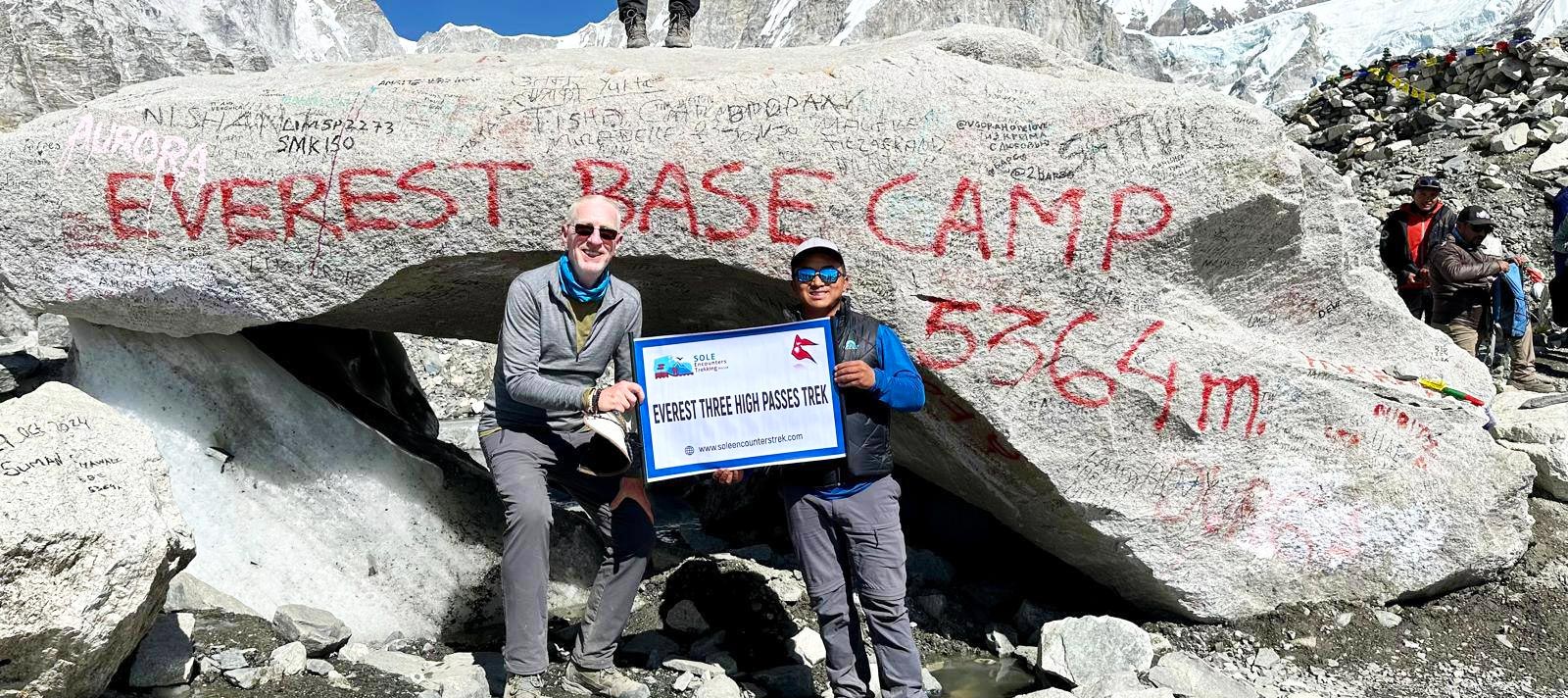
Everest Base Camp Trek (5,364m)
-
Manaslu Circuit Trek (Larkya La Pass – 5,160m)
-
Annapurna Circuit Trek (Thorong La – 5,416m)
Proper acclimatization, slow ascent, and guidance from experienced teams like ours greatly reduce these risks.
2. Terrain: From Rolling Hills to Rocky High Passes
Nepal’s terrain varies dramatically based on the region and altitude. Most treks include:
-
Steep uphill climbs and descents
-
Rocky paths and stone staircases
-
Narrow trails hugging mountain slopes
-
Occasional suspension bridge crossings and landslide zones
Trekking in Nepal is not technical, meaning you won’t need climbing gear for most routes. But the uneven trails and long hiking hours can be physically demanding.
Trek difficulty varies by terrain:
-
Moderate: Ghorepani Poon Hill Trek
-
Strenuous: Everest Three Passes Trek
-
Challenging: Kanchenjunga Base Camp Trek
Our guided itineraries ensure that daily walking hours and elevation gains are manageable and well-paced for the group.
3. Trekking Hours and Daily Distance
On most Nepal treks, you’ll hike 5 to 7 hours per day on average, covering distances between 10 to 15 km. High-altitude treks may have shorter days to allow for acclimatization.
Sample day:
-
6:30 AM – Wake up, breakfast
-
7:30 AM – Start trekking
-
12:00 PM – Lunch stop
-
3:00 PM – Arrive at teahouse/lodge
-
Evening – Rest, dinner, briefing
The key to a successful trek isn’t speed—it’s consistency, hydration, and acclimatization.
4. Fitness Level Required
You don’t need to be a marathon runner to trek in Nepal. However, a moderate level of fitness is essential. What matters most is endurance—your ability to walk several hours a day for consecutive days.
Ideal preparation includes:
-
Regular walks/hikes with a backpack
-
Cardiovascular exercises (cycling, swimming, running)
-
Strength training (legs and core)
-
Stair climbing and hill walking
Trekking with experienced guides and porters through a trusted company like Sole Encounters Trekking Pvt. Ltd. allows you to focus on enjoying the experience while we handle logistics and safety.
5. Weather Conditions and Trekking Season
Weather can add an extra layer of difficulty to your trek. Snow, rain, and wind can make trails slippery or block high passes. That’s why choosing the right trekking season in Nepal is crucial.
Best Seasons to Trek:
-
Autumn (Sept–Nov): Stable weather, clear skies, ideal temperatures
-
Spring (Mar–May): Blooming rhododendrons, warmer days
-
Winter (Dec–Feb): Cold but clear—great for low-altitude treks
-
Monsoon (Jun–Aug): Wet and leech-prone, avoid unless trekking in Upper Mustang
Difficulty Levels by Trek Type
Here’s a breakdown of Nepal treks by difficulty to help you choose:
Easy to Moderate Treks:
-
Ghorepani Poon Hill Trek
-
Langtang Valley Trek
Suitable for:
-
Beginners
-
Families or older hikers
-
Short holiday schedules
Moderate to Strenuous Treks:
-
Annapurna Base Camp Trek
-
Everest Base Camp Trek
-
Manaslu Circuit Trek
Suitable for:
-
Hikers with basic trekking experience
-
Physically active individuals
-
Trekkers ready for high-altitude terrain
Challenging Treks:
-
Everest Three Passes Trek
-
Kanchenjunga Base Camp Trek
-
Upper Dolpo Trek
Suitable for:
-
Experienced trekkers
-
High-altitude veterans
-
Adventurers seeking isolation and wilderness
Explore all options in our Trekking in Nepal section to find the trek that fits your ambition.
Can Beginners Trek in Nepal?
Yes, beginners can absolutely trek in Nepal—with proper planning and the right route. Popular introductory treks like Ghorepani Poon Hill, Mardi Himal, or Langtang Valley offer incredible views and cultural depth without pushing extreme physical limits.
At Sole Encounters, we design beginner-friendly treks with:
-
Shorter trekking days
-
Gradual altitude gain
-
Comfortable lodges
-
Guided support for navigation and acclimatization
Start with a moderate trek and build your confidence for more demanding journeys.
Tips to Make Trekking in Nepal Easier
-
Train before your trip: Build your endurance 6–8 weeks in advance.
-
Hire a guide and porter: Take the weight off your back and ensure safety.
-
Stay hydrated and eat well: Fuel your body at altitude.
-
Trek slow and steady: Don’t rush; allow your body to adjust.
-
Use trekking poles: They help with stability on steep descents.
Our team will provide a personalized gear checklist and pre-departure guidance for all treks.
Conclusion: Nepal Trekking is Challenging—but Achievable
So, how difficult is trekking in Nepal? The answer depends on the route you choose, your physical preparation, and your support system. With diverse trails ranging from beginner to expert level, Nepal offers something for everyone—from casual hikers to seasoned explorers.
With expert guides, well-planned itineraries, and local insights from Sole Encounters Trekking Pvt. Ltd., you can tackle the challenges of Nepal’s trails confidently and safely.
Ready to explore the Himalayas? Discover the best treks under our Trekking in Nepal category or contact us today to start planning your journey.
Recent Posts
.jpg)
3rd Jul, 2025
.jpg)
4th Jul, 2025
.jpg)
4th Jul, 2025
.jpg)
7th Jul, 2025
.jpg)
8th Jul, 2025
.jpg)
8th Jul, 2025
.jpg)
8th Jul, 2025

10th Jul, 2025