Photography Tips for Trekkers in the Himalayas
- soleencounters
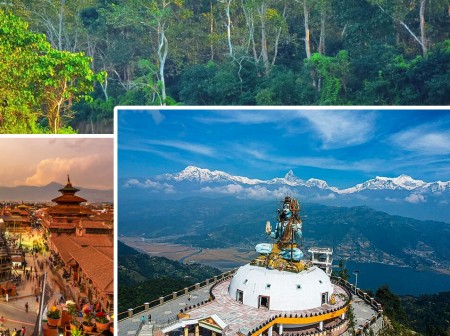
Trekking in the Himalayas is a breathtaking experience that offers endless opportunities to capture stunning photographs. From towering snow-capped peaks to vibrant local cultures and pristine landscapes, the Himalayas present some of the most photogenic scenes on earth. Whether you are an amateur shutterbug or a seasoned photographer, understanding how to make the most of your camera in high-altitude trekking environments is essential.
Table of Contents
This guide provides practical and professional photography tips tailored for trekkers in the Himalayas. As a Nepal-based trekking company, Sole Encounters Trekking Pvt. Ltd. shares insights from years of experience guiding trekkers through iconic regions such as Everest, Annapurna, and Langtang. By following these tips, you will be able to preserve the beauty and magic of your Himalayan adventure in captivating images.
Why Photography Matters on Himalayan Treks
Photographs are more than souvenirs; they are visual stories of your journey. Himalayan treks are unique due to:
-
Dramatic natural scenery with vast mountain panoramas
-
Rich and diverse cultures of local ethnic groups
-
Changing light and weather conditions at altitude
-
Opportunities to capture wildlife and flora
However, trekking in the Himalayas presents challenges such as cold weather, limited power sources, and variable lighting. Being prepared with the right knowledge and equipment will help you overcome these challenges and capture memorable images.
Essential Photography Tips for Trekkers in the Himalayas
1. Choose the Right Gear for Trekking Photography
Selecting suitable photography equipment is crucial. Trekking requires lightweight and durable gear that can handle rugged conditions.
-
Camera: A DSLR or mirrorless camera with manual settings is ideal for flexibility. However, high-quality compact cameras or smartphones can also deliver excellent results.
-
Lenses: A versatile zoom lens (e.g., 24-70mm) covers landscapes and portraits. A wide-angle lens is perfect for expansive mountain vistas, while a telephoto lens helps capture distant wildlife or details.
-
Accessories: Bring extra batteries (cold drains power faster), memory cards, a sturdy tripod for steady shots, and lens cleaning cloths to manage dust and moisture.
-
Protection: Use waterproof and padded camera bags to protect gear from weather and shocks.
2. Master Lighting and Timing
Lighting defines the mood and clarity of your photographs, especially in mountainous regions.
-
Golden Hours: The best natural light occurs during early morning and late afternoon. These “golden hours” provide warm, soft light that enhances landscapes and portraits.
-
Avoid Midday Sun: Harsh sunlight around noon creates strong shadows and overexposure. Use this time for rest or indoor shots.
-
Use Shadows Creatively: Mountains cast long shadows that can add depth and contrast—experiment with angles to capture dramatic scenes.
-
Weather Conditions: Clouds, mist, and snow can create atmospheric photos. Embrace variable weather for unique shots but protect your gear from moisture.
3. Composition Techniques for Impactful Shots
Strong composition turns ordinary images into compelling stories.
-
Rule of Thirds: Divide your frame into thirds and place key elements along these lines or intersections for balanced photos.
-
Leading Lines: Use trails, rivers, or ridgelines to guide viewers’ eyes into the photo.
-
Foreground Interest: Include rocks, flowers, or trekkers in the foreground to add depth and scale.
-
Perspective: Change your viewpoint by shooting from low or high angles to create dynamic images.
-
Capture Movement: Show local life, flowing water, or fluttering prayer flags to add life to your photos.
4. Practical Tips for Shooting at High Altitude
High altitude environments require special consideration.
-
Protect Your Equipment: Cold temperatures can affect battery life and camera function. Keep batteries warm in inner pockets and avoid sudden temperature changes that cause condensation.
-
Stay Stable: Use a tripod or steady surfaces to prevent blurry images caused by shaky hands or wind.
-
Hydrate and Rest: Fatigue and dehydration impact your ability to concentrate and shoot carefully. Take breaks and drink plenty of water.
-
Respect Local Customs: Always ask permission before photographing people, especially in remote villages and religious sites.
5. Best Places for Photography on Popular Treks
-
Everest Base Camp Trek: Capture dramatic views of Mount Everest, Namche Bazaar’s vibrant market life, and the Tengboche Monastery. Early mornings at Kala Patthar offer unforgettable sunrise shots.
-
Annapurna Circuit: Stunning panoramas of Annapurna and Dhaulagiri, terraced fields, and diverse ethnic cultures make this trek highly photogenic. The village of Manang provides great cultural photography.
-
Langtang Valley: Known for rhododendron forests and serene mountain lakes, this trek offers lush landscapes and intimate village scenes.
Learn more about these treks on our Trekking in Nepal page.
6. Seasonal Considerations for Photography
-
Spring (March to May): Blooming rhododendrons and clear skies make this an excellent season for vibrant colors.
-
Autumn (September to November): Stable weather and crisp visibility create ideal conditions for wide-angle mountain shots.
-
Winter: Snow adds drama and purity but be prepared for colder conditions and shorter daylight hours.
-
Monsoon (June to August): Frequent rains and clouds obscure mountain views but offer lush green landscapes and waterfalls.
Post-Trek Photography Tips
-
Backup Regularly: Transfer photos to a laptop or cloud storage whenever possible to avoid loss.
-
Editing: Use software like Lightroom or Photoshop to enhance exposure, contrast, and color while maintaining natural looks.
-
Share Your Story: Engage your audience with photo blogs or social media posts that include context about the places and people you encountered.
Conclusion
Capturing the majestic beauty and cultural richness of the Himalayas requires more than just a good camera—it demands preparation, understanding of the environment, and respect for local customs. By following these photography tips for trekkers, you can ensure your Himalayan trekking experience is beautifully documented and shared with others.
At Sole Encounters Trekking Pvt. Ltd., we are committed to helping you make the most of your trekking adventure in Nepal. Whether you are trekking in Everest, Annapurna, or Langtang, we can tailor your trip to include the best photographic opportunities while ensuring your safety and comfort.
For expert guidance and personalized trekking packages, visit our Trekking in Nepal page or contact us directly via our Contact Us page.
Capture the Himalayas in all their glory and create memories that last a lifetime.
Recent Posts
.jpg)
3rd Jul, 2025
.jpg)
4th Jul, 2025
.jpg)
4th Jul, 2025
.jpg)
7th Jul, 2025
.jpg)
8th Jul, 2025
.jpg)
8th Jul, 2025
.jpg)
8th Jul, 2025

10th Jul, 2025