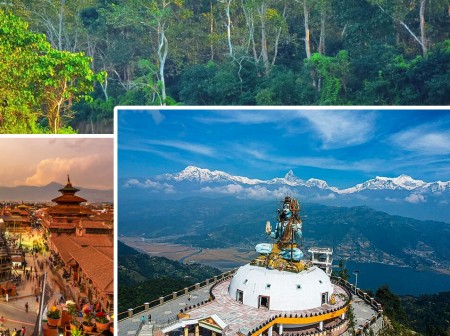
Sustainable Travel in Nepal
- soleencounters
Nepal, home to the majestic Himalayas and rich cultural heritage, attracts thousands of travelers each year. With increasing tourism, the need for sustainable travel in Nepal has never been greater. By making responsible choices, you can enjoy the beauty of Nepal while helping to preserve its environment, culture, and communities for future generations.
Table of Contents
This guide provides practical eco-friendly travel tips for 2025, highlighting how trekkers and tourists can minimize their impact while exploring famous destinations like Everest Base Camp, Annapurna Base Camp, and the serene landscapes of Pokhara and Chitwan.
Why Sustainable Travel Matters in Nepal
Tourism is vital for Nepal’s economy, but unmanaged travel can strain local resources, generate waste, and impact fragile mountain ecosystems. Practicing responsible tourism ensures that:
-
Local communities benefit directly.
-
Cultural heritage is respected.
-
The environment and wildlife are protected.
To learn more about the country, visit our Nepal destination page.
Eco-Friendly Travel Tips for Nepal in 2025
1. Choose Responsible Trekking Companies
Select trekking operators that follow sustainable practices, such as employing local guides, managing waste properly, and supporting community projects. At Sole Encounters Trekking, we prioritize eco-friendly operations on all trekking in Nepal adventures.
2. Reduce Plastic Waste
Single-use plastics are a growing problem in Nepal’s trekking regions. Avoid buying bottled water and instead carry a reusable water bottle with a purification system or tablets. Many tea houses provide safe drinking water for refills.
3. Support Local Communities
Stay in locally owned tea houses and lodges, purchase handmade crafts, and eat at local restaurants. This directly benefits the economy of rural Himalayan communities.
4. Respect Cultural Norms
Nepal is rich in traditions and spiritual practices. Dress modestly, ask before taking photos, and be mindful when visiting monasteries or religious sites.
5. Travel in Small Groups
Smaller group sizes reduce strain on local resources and have less environmental impact, especially in fragile mountain areas.
6. Opt for Eco-Friendly Transport
Whenever possible, use public buses or shared jeeps instead of chartered vehicles. Walking or cycling in cities like Pokhara and Kathmandu also reduces your carbon footprint.
7. Minimize Energy Usage
Electricity in remote regions is often generated from limited sources. Be mindful by turning off lights, avoiding unnecessary charging, and not wasting hot water.
8. Practice Leave No Trace Principles
-
Carry all your trash out of trekking regions.
-
Avoid littering or leaving food waste.
-
Stay on marked trails to prevent soil erosion.
9. Travel in the Best Seasons
Spring (March–May) and autumn (September–November) are ideal for trekking. Traveling in these months reduces the need for high-energy heating and ensures better support for local businesses.
Learn more about popular eco-friendly trekking routes like the Everest Base Camp Trek and Annapurna Base Camp Trek.
Cost of Sustainable Travel in Nepal
While eco-friendly choices sometimes cost a little more, they provide long-term benefits to the environment and communities. Staying in locally run accommodations and hiring local guides and porters not only enhances your experience but also supports the economy.
How Sole Encounters Trekking Promotes Sustainability
At Sole Encounters Trekking, we are committed to:
-
Hiring local guides and staff for all treks.
-
Reducing waste by encouraging travelers to bring reusable gear.
-
Supporting community projects and cultural preservation in remote regions.
By choosing responsible travel partners, you contribute directly to sustainable tourism growth in Nepal.
FAQs on Sustainable Travel in Nepal
Is sustainable travel expensive?
Not necessarily. Many eco-friendly options, such as using public transport or staying in local tea houses, are budget-friendly.
Can I trek sustainably without a guide?
Hiring a local guide or porter not only enriches your trek but also provides vital income for Himalayan communities.
What is the biggest environmental issue caused by tourism in Nepal?
Waste generation, especially single-use plastics, and overuse of natural resources in high-traffic trekking areas.
Conclusion
Traveling sustainably in Nepal is about making conscious decisions that benefit the environment, local people, and culture. By following these eco-friendly tips, you ensure that the Himalayas and their communities thrive for years to come.
To start planning your sustainable adventure, explore our Nepal destination guide or contact us to create a responsible travel itinerary. You can also talk to our travel experts for tailored eco-friendly trekking options.
Recent Posts
.jpg)
3rd Jul, 2025
.jpg)
4th Jul, 2025
.jpg)
4th Jul, 2025
.jpg)
7th Jul, 2025
.jpg)
8th Jul, 2025
.jpg)
8th Jul, 2025
.jpg)
8th Jul, 2025

10th Jul, 2025