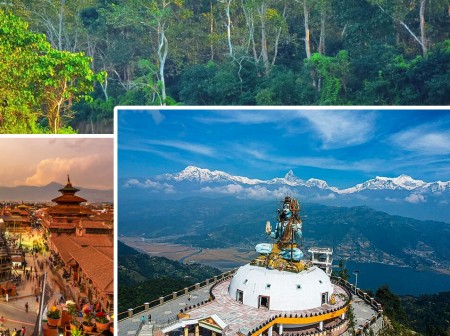
Top Festivals in Nepal
- soleencounters
Top Festivals in Nepal You Should Plan Your Trip Around
Table of Contents
Nepal is more than just mountains and treks. It is a living cultural mosaic, where ancient traditions come alive in colorful and spirited festivals throughout the year. Whether you're visiting for adventure or cultural exploration, planning your trip around Nepal's major festivals offers a deeper, more meaningful experience.
At Sole Encounters Trekking Pvt. Ltd., we’ve witnessed how participating in local festivals transforms a traveler’s journey. Here's your complete guide to the top festivals in Nepal and why they’re worth including in your itinerary.
1. Dashain (September/October)
Dashain is Nepal’s biggest and longest festival, celebrated for 15 days with great enthusiasm across the country. It honors the goddess Durga and symbolizes the victory of good over evil.
Why Visit During Dashain:
-
Houses are cleaned and decorated.
-
Families gather for blessings and feasts.
-
The air is filled with kites, jamara (barley grass), and traditional swings.
2. Tihar (October/November)
Known as the "Festival of Lights," Tihar honors animals, wealth, and relationships over five days. Each day has a specific focus: crows, dogs, cows, oxen, and finally, brothers and sisters.
Highlights:
-
Luminous oil lamps and colorful rangoli designs
-
Bhai Tika, where sisters bless brothers
-
Cultural performances like Deusi and Bhailo
3. Holi (March)
Holi, the festival of colors, is one of the most joyful and playful celebrations in Nepal, marking the victory of good over evil and the arrival of spring.
Why Join:
-
Throw colors and water in festive chaos
-
Street music, dance, and celebration
-
A popular festival for visitors in Kathmandu and Pokhara
4. Buddha Jayanti (April/May)
Buddha Jayanti commemorates the birth, enlightenment, and death of Lord Buddha. Celebrations are most vibrant in Lumbini (his birthplace), Swayambhunath, and Boudhanath.
Experience:
-
Peaceful processions and prayers
-
Butter lamps and offerings
-
Ideal for spiritual travelers and history lovers
5. Indra Jatra (September)
Celebrated in Kathmandu, Indra Jatra is an eight-day festival that blends Hindu and Buddhist traditions, dedicated to the rain god Indra.
Why It's Special:
-
Mask dances and traditional music
-
Chariot procession of the Living Goddess (Kumari)
-
Kathmandu Durbar Square becomes a cultural hub
6. Teej (August/September)
Teej is a women-centric festival celebrating marital bliss and well-being. Women wear red saris, fast, and gather in temples like Pashupatinath.
What to Expect:
-
Cultural dances and songs
-
Colorful parades of women
-
Devotional rituals and pujas
7. Maghe Sankranti (January)
Maghe Sankranti is the first day of the Nepali month Magh, marking the end of the winter solstice and beginning of longer days.
Traditions Include:
-
Eating traditional foods like ghee, molasses, and yam
-
Holy dips in rivers like Narayani or Bagmati
-
Observed by communities across Nepal
8. Gai Jatra (August/September)
Gai Jatra, or the "Festival of Cows," honors the deceased and is celebrated mainly in the Kathmandu Valley.
Why It's Unique:
-
Satirical performances and parades
-
Families lead cows or children dressed as cows through the streets
-
A blend of grief and celebration
9. Bisket Jatra (April)
Bisket Jatra marks the Nepali New Year in Bhaktapur and surrounding towns with chariot pulling and traditional rituals.
Highlights:
-
Towering chariots pulled by locals
-
Lively celebrations lasting several days
-
Authentic local involvement
10. Janai Purnima (August)
This festival marks the sacred thread ceremony among Hindu men and includes the Rakshya Bandhan ritual between brothers and sisters.
Experience:
-
Ritual bathing in sacred rivers
-
Visiting temples like Gosaikunda and Pashupatinath
-
Strong spiritual and familial significance
Planning Tips for Festival Travel
-
Book early: Accommodations and transportation fill quickly around major festivals.
-
Respect customs: Dress modestly and follow local traditions.
-
Join with a guide: Local insights enrich your understanding.
Consider aligning your trekking or cultural trip with these vibrant celebrations. For example, pair Everest Base Camp Trek in October with Dashain or explore Annapurna Region during Holi in March.
Conclusion: Celebrate Culture in Every Step
Nepal’s festivals are more than events—they are windows into the country’s soul. From spiritual rituals to colorful gatherings, each celebration offers a chance to connect deeply with the people, traditions, and heart of Nepal.
To learn more about travel and culture in Nepal, visit our Nepal Destination Guide or Contact Us to help plan your trip around these enriching experiences.
Recent Posts
.jpg)
3rd Jul, 2025
.jpg)
4th Jul, 2025
.jpg)
4th Jul, 2025
.jpg)
7th Jul, 2025
.jpg)
8th Jul, 2025
.jpg)
8th Jul, 2025
.jpg)
8th Jul, 2025

10th Jul, 2025