Accommodation in Langtang Valley Trek: Tea Houses, Guesthouses & Tips
- soleencounters
Langtang Valley Trek is one of Nepal’s most breathtaking journeys, offering trekkers a perfect blend of lush forests, traditional villages, and panoramic Himalayan views. Nestled just north of Kathmandu, the valley presents a serene escape from the bustling city, allowing adventurers to immerse themselves in nature, culture, and tranquility. From the charming village of Syabrubesi to the high-altitude settlement of Kyanjin Gompa, every step of the trek brings a new perspective of the Himalayas.
Table of Contents
While the natural beauty of Langtang Valley is a major draw, planning your trek carefully is just as important. One of the key aspects of preparation is understanding your accommodation options along the trail. Knowing where you will stay each night helps ensure safety, comfort, and an overall enjoyable experience.
A comfortable stay can make a significant difference during a trek. After long hours of walking through rugged trails, having a cozy tea house, a warm meal, and a clean room can recharge your energy and lift your spirits. Proper planning for accommodation in Langtang Valley Trek not only adds convenience but also allows you to focus on soaking in the natural beauty and local culture without worrying about basic needs.
Whether you are a first-time trekker or an experienced adventurer, understanding the lodging options in Langtang Valley is the first step toward a smooth and memorable trekking experience.
Types of Accommodation in Langtang Valley
When planning a trek in Langtang Valley, knowing the types of accommodation available is essential for a comfortable and enjoyable journey. Trekkers can choose from tea houses, guesthouses, or even camping, depending on their preferences, budget, and level of adventure. Understanding what each option offers will help you make informed decisions along the trail.
1. Tea Houses / Lodges
Tea houses, also known as lodges, are the most common form of accommodation in Langtang Valley Trek. These establishments are spread across every major village and provide basic yet cozy lodging for trekkers.
Amenities typically offered:
- Comfortable beds with blankets
- Home-cooked meals, often including Nepali and simple continental dishes
- Hot showers (availability may vary by season)
- Electricity or charging points, usually solar-powered
Price range:
Tea house rooms are generally affordable, with costs varying depending on altitude and facilities. Prices typically range from $5 to $15 per night. Meals are charged separately, usually $3–$7 per meal.
Tea houses are ideal for trekkers looking for a social environment, as they allow you to meet fellow travelers and share experiences around a warm meal.
2. Guesthouses
Guesthouses in Langtang Valley offer a slightly more private and personalized stay compared to tea houses. Many are family-run and provide a homely atmosphere that gives trekkers a glimpse into local life.
Pros:
- More privacy than standard tea houses
- Often quieter and less crowded
- Personal interaction with local hosts
Cons:
- Fewer facilities than tea houses at lower altitudes
- Meals may be limited to basic local dishes
Guesthouses are perfect for trekkers who prefer a peaceful retreat and wish to experience authentic Nepali hospitality.
3. Camping (Optional)
While less common, camping is an option for adventurous trekkers who want to explore remote areas or enjoy flexibility in their itinerary. Campsites are generally available near trails or in designated open areas.
Required equipment and logistics:
- Tent, sleeping bag, and camping stove
- Personal supplies for food, water, and hygiene
- Permission or guidance from trekking agencies is recommended
Pros:
- Full flexibility to camp anywhere permitted
- Immersive nature experience, often with stunning sunrise or sunset views
Cons:
- Requires carrying extra gear
- Limited access to amenities such as hot showers or electricity
- Vulnerable to weather conditions
Understanding the different types of accommodation in Langtang Valley Trek helps you plan your journey according to comfort, budget, and adventure level. Whether you prefer the convenience of tea houses, the homely feel of guesthouses, or the thrill of camping, there is an option to suit every trekker.
Accommodation by Popular Villages in Langtang Valley
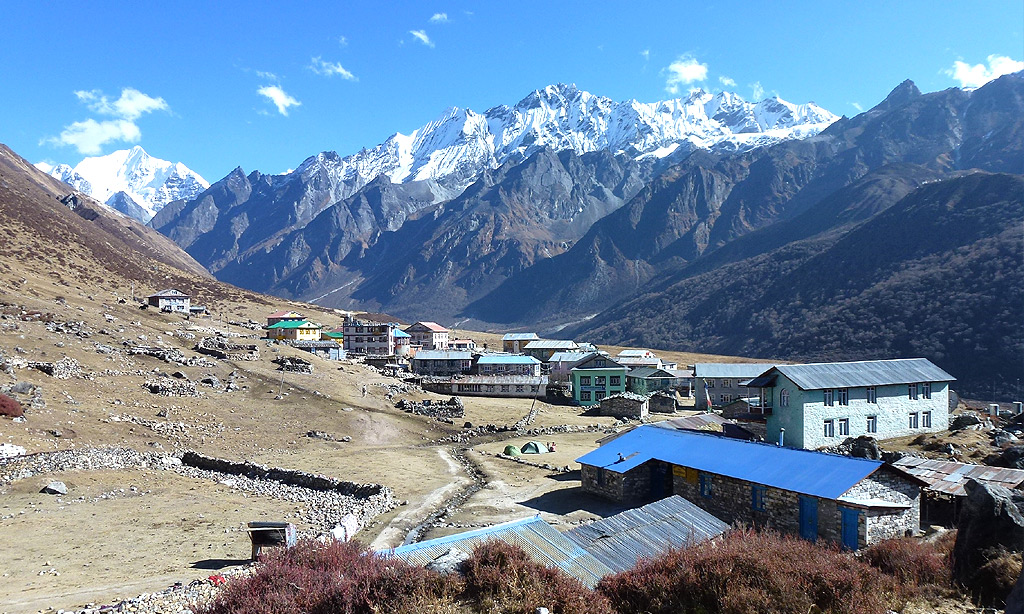
Along the Langtang Valley Trek, accommodation options vary depending on the village, altitude, and facilities available. Planning your stay village by village ensures comfort, rest, and an enjoyable trekking experience. Here’s a guide to what you can expect at key stops.
1. Syabrubesi
Syabrubesi is the gateway to Langtang Valley and the first major stop for trekkers. As a low-altitude village, it has the most developed facilities along the trail.
Accommodation options:
- Several tea houses and lodges offering private and shared rooms
- Guesthouses run by local families
- Restaurants serving Nepali and simple international dishes
Tips:
-
Ideal place to stock up on supplies and get a hot meal before heading into the higher altitudes
-
Prices are slightly lower here compared to higher villages
2. Langtang Village
Langtang Village is the heart of the valley, offering stunning views of snow-capped peaks and lush forests. Accommodation here is slightly more limited due to the remote location, but options are comfortable.
Accommodation options:
- Tea houses with rooms and basic amenities
- Small guesthouses with local hospitality
- Some lodges offering hot showers and charging facilities
Tips:
- Book early during peak season (September–November, March–May)
- Enjoy scenic views right from your lodge terrace
3. Kyanjin Gompa
Kyanjin Gompa is a high-altitude settlement and the final stop for most trekkers. Accommodation here is simpler due to the altitude, but it provides an authentic trekking experience.
Accommodation options:
- Tea houses offering shared and private rooms
- Lodges with basic facilities and limited hot water
- Few places provide Wi-Fi or electricity (solar-powered)
Special tips:
- Expect higher prices due to the remote location
- Cold weather requires warm bedding, and early booking is recommended during peak months
4. Other Key Stops
Several other villages along the trail also offer accommodation for trekkers, including:
- Lama Hotel: Cozy tea houses with good food and views
- Thulo Syabru: Quiet village, fewer guests, homely stay
- Bamboo: Popular stop for day trekking and short rests
Even in these smaller villages, tea houses and lodges provide essential services like meals, beds, and charging points. While options may be limited, the experience of staying in traditional Nepali villages adds to the charm of the trek.
What to Expect in Langtang Tea Houses
Tea houses are the backbone of accommodation in Langtang Valley Trek, offering trekkers a cozy place to rest, recharge, and enjoy local hospitality. Understanding what to expect from these lodges will help you plan your stay more comfortably.
1. Room Types: Dormitory vs Private
Most tea houses provide two main types of rooms:
-
Dormitory rooms: Shared with other trekkers, usually 4–6 beds per room. Dormitories are budget-friendly and a great way to meet fellow travelers.
-
Private rooms: Ideal for those seeking more privacy. Private rooms often include a small table, chair, and blanket. Prices are slightly higher than dormitories but offer more comfort and quiet.
2. Facilities
Facilities in tea houses can vary depending on the village and altitude:
-
Hot water: Available in most mid- to high-altitude lodges, often for an extra fee. Water is typically heated using wood-fired stoves or solar heaters.
-
Toilets: Basic, usually shared, and cleanliness varies. Some lodges offer Western-style toilets, while others have squat toilets.
-
Wi-Fi: Limited availability, often in larger villages or near solar-powered lodges. Signal may be weak at high altitudes.
-
Food options: Tea houses serve breakfast, lunch, and dinner. Meals are usually simple Nepali dishes such as dal bhat (rice and lentils), noodles, or soups. Some lodges offer snacks, tea, and coffee throughout the day.
3. Seasonal Variations
Accommodation quality and availability can change with the seasons:
-
Peak season (Spring & Autumn): Most lodges are fully operational, with better facilities and well-maintained rooms.
-
Off-season (Winter & Monsoon): Some tea houses may be closed, and amenities like hot water or Wi-Fi might be limited. Prices may be lower, but comfort levels can decrease.
4. Electricity & Charging Points
Most tea houses provide charging facilities powered by solar panels or small generators. Some lodges charge a small fee per device. It’s recommended to carry a portable power bank as electricity may not be available in all villages, especially at higher altitudes.
Overall, tea houses in Langtang Valley offer basic yet comfortable lodging that caters to trekkers of all budgets. With a warm bed, hearty meals, and a chance to interact with locals and fellow trekkers, staying in tea houses is an integral part of the Langtang experience.
Tips for Booking Accommodation in Langtang Valley Trek
Booking accommodation is a key part of planning your Langtang Valley Trek. While the valley offers plenty of tea houses and guesthouses, knowing when and how to secure your stay can make your journey smoother and more comfortable. Here are some practical tips:
1. Advance Booking vs Walk-In
Many trekkers wonder whether to book their accommodation in advance or just find a place on arrival.
-
Advance booking: Recommended during peak trekking seasons (Spring: March–May, Autumn: September–November). Popular lodges in Syabrubesi, Langtang Village, and Kyanjin Gompa can fill up quickly. Booking ahead ensures you get a preferred room type and avoids last-minute stress.
-
Walk-in: During off-season or on weekdays, finding a room on arrival is usually possible. However, options may be limited, and some lodges may be closed.
2. Peak Season Considerations
During peak months, lodges are busier, and rooms may be smaller or more crowded. To stay comfortable:
-
Arrive earlier in the day to secure a room in popular villages
-
Carry a backup plan in case your first-choice lodge is full
-
Be prepared for higher prices as demand rises
3. Negotiating Prices
While tea house rates are generally fixed, there’s sometimes room for negotiation, especially for:
-
Longer stays in the same lodge
-
Off-season visits
-
Booking multiple rooms or meals
Be polite when negotiating, and keep in mind that lodge owners depend on trekkers for their livelihood. A fair approach benefits both sides.
4. Staying Flexible with Itinerary
Flexibility is essential on the Langtang trek. Weather changes, trail conditions, or fatigue may require adjusting your planned stops. Having a flexible itinerary allows you to:
-
Choose lodges based on availability
-
Rest longer at villages if needed
-
Avoid rushing through high-altitude sections
By keeping these tips in mind, you can ensure a smooth and comfortable stay throughout your Langtang Valley Trek. Proper planning for accommodation not only saves time but also enhances your overall trekking experience.
Cost of Accommodation in Langtang Valley Trek
Understanding the cost of accommodation is crucial for budgeting your Langtang Valley Trek. Prices vary depending on the village, altitude, season, and type of lodging. Here’s a detailed guide to help you plan your stay without surprises.
1. Average Per Night in Different Villages
Accommodation costs gradually increase as you go higher along the trail:
-
Syabrubesi: Being the entry point, lodges and tea houses are the most affordable. Dormitory beds start at $5–$7, while private rooms range from $10–$15 per night.
-
Langtang Village: Mid-altitude villages see slightly higher prices. Dormitory beds cost $6–$8, and private rooms range from $12–$18.
-
Kyanjin Gompa: High-altitude lodges charge more due to limited resources. Dormitories start at $8–$10, while private rooms can go up to $20 per night.
2. Budget vs Mid-Range vs Higher-End Tea Houses
-
Budget options: Basic dormitories with shared facilities, simple meals, and minimal amenities. Ideal for backpackers.
-
Mid-range tea houses: Private rooms with slightly better facilities, hot showers, and meal options. Suitable for trekkers seeking comfort without overspending.
-
Higher-end lodges: More spacious rooms, better hygiene, and additional amenities like Wi-Fi or solar-heated showers. Perfect for those willing to pay extra for comfort at high altitudes.
3. Food + Lodging Combos
Most tea houses offer meal packages along with lodging, which can be convenient and cost-effective:
-
Half-board: Includes breakfast and dinner, usually $10–$15 per day.
-
Full-board: Includes three meals per day, often $15–$20 per day.
Combining meals with lodging ensures you have nutritious food and avoids the hassle of searching for separate dining options in remote villages.
Overall, the cost of accommodation in Langtang Valley Trek is flexible, catering to budget travelers and those looking for more comfort. Planning your lodging and meal options ahead of time helps manage expenses and ensures a stress-free trekking experience.
Safety and Hygiene Tips for Accommodation in Langtang Valley Trek
While trekking in Langtang Valley is a rewarding adventure, maintaining safety and hygiene in your accommodation is essential for a healthy and comfortable experience. Tea houses and lodges provide basic facilities, but being mindful of certain precautions will ensure a smooth stay.
1. Water and Food Safety
-
Drink safe water: Always carry a reusable water bottle and use water purification tablets, filters, or boiled water provided by lodges. Avoid drinking tap water directly.
-
Eat fresh meals: Stick to cooked meals such as dal bhat, noodles, or soups. Avoid raw salads or uncooked food, especially at higher-altitude lodges where water sanitation may be limited.
-
Hand hygiene: Wash hands before meals and carry a small hand sanitizer for added protection.
2. Cleanliness of Rooms and Bathrooms
-
Check bedding and mattresses: Most tea houses provide clean blankets, but bringing a lightweight sleeping bag liner adds extra comfort and hygiene.
-
Bathroom conditions: Bathrooms are generally shared and basic, especially at high-altitude stops. Carry your own toilet paper and travel soap.
-
Ventilation: Ensure the room is well-ventilated to prevent dampness and odors, particularly in dormitories.
3. Sharing Rooms with Fellow Trekkers
-
Respect personal space: Dormitory rooms are shared with other trekkers. Keep your belongings organized and minimize noise to maintain a friendly environment.
-
Health precautions: If someone is unwell, maintain distance and practice good hygiene to prevent spreading illnesses.
-
Social experience: Sharing a room also offers a chance to meet fellow trekkers, exchange tips, and share stories—making it a memorable part of the trek.
Local Culture and Hospitality in Langtang Valley Trek
One of the most enriching aspects of trekking in Langtang Valley is experiencing the local culture and the warm hospitality offered by villagers. Accommodation in tea houses and guesthouses isn’t just about a place to sleep—it’s an opportunity to connect with the community and gain insights into traditional Himalayan life.
1. Interaction with Locals
-
Tea house owners, cooks, and staff are often from nearby villages and are eager to share stories about their culture, traditions, and daily life.
-
Engaging with locals provides a deeper understanding of Langtang Valley’s unique heritage, including Buddhist practices, farming techniques, and festivals.
-
Simple gestures like greeting staff with “Namaste” or asking about their day can go a long way in building rapport.
2. Experience of Staying in Traditional Tea Houses
-
Tea houses are often family-run establishments, offering a homely atmosphere rather than commercial lodging.
-
Staying in these traditional settings allows trekkers to witness local architectural styles, wood carvings, and cozy interiors warmed by wood stoves.
-
Sharing meals in communal dining areas gives trekkers a chance to enjoy authentic Nepali food and connect with other travelers.
3. Cultural Etiquette
-
Always remove your shoes before entering rooms or communal areas in tea houses.
-
Respect local customs and avoid loud behavior, especially during early mornings or religious observances.
-
When taking photos of locals, always ask for permission politely.
-
Support local businesses by purchasing small items or souvenirs directly from villagers—this helps sustain their livelihood.
Recommended Tea Houses and Lodges in Langtang Valley Trek
Choosing the right accommodation can significantly enhance your experience on the Langtang Valley Trek. In Syabrubesi, the first major stop, trekkers often prefer Hotel Langtang View, which offers a mix of private rooms and dormitories, along with hot showers and hearty meals—perfect for resting after the long drive from Kathmandu. Another popular option is Mountain Lodge Syabrubesi, known for its friendly staff and traditional Nepali cuisine. Both provide a welcoming start to your trekking journey and helpful advice for the days ahead.
As you ascend to Langtang Village, lodging options become more scenic and intimate. Langtang Lodge stands out with its clean rooms, cozy dining area, and breathtaking mountain views, making it ideal for relaxing after exploring the village. Another choice, Shangri-La Tea House, offers private rooms surrounded by lush forest and the majestic backdrop of Langtang Lirung, providing both comfort and tranquility. These tea houses capture the charm of high-altitude living while offering the essential facilities trekkers need.
At the higher settlement of Kyanjin Gompa, tea houses are simpler but provide unforgettable experiences. Kyanjin Gompa Lodge is a favorite for its warm hospitality, dormitory and private rooms, and spectacular sunset views over the mountains. Another excellent option is Langtang Kyanjin Guesthouse, a family-run lodge that serves wholesome meals and gives trekkers a genuine taste of local life. Staying here allows visitors to immerse themselves in the Himalayan environment while enjoying basic comforts.
Other key stops along the trail, such as Lama Hotel and Bamboo Tea House, also offer reliable accommodation. Lama Hotel is known for its clean rooms, excellent food, and panoramic hill views, while Bamboo Tea House provides budget-friendly dormitory rooms for trekkers who want simplicity without compromising essential comfort. Each of these lodges adds a unique flavor to the trek, offering hospitality, warmth, and a chance to connect with fellow travelers and locals alike.
Conclusion
Planning your accommodation is a crucial part of a successful Langtang Valley Trek. From the gateway village of Syabrubesi to the high-altitude settlement of Kyanjin Gompa, each stop offers unique lodging experiences that can greatly influence your comfort, energy, and overall enjoyment. By understanding the types of tea houses, guesthouses, and even optional camping options, trekkers can make informed choices that match their budget, preferences, and trekking style.
While it’s important to plan your stays in advance, especially during peak trekking seasons, it’s equally vital to remain flexible. Weather, trail conditions, and personal energy levels may require adjustments to your itinerary. Embracing this flexibility ensures you can make the most of your journey while still enjoying comfortable lodging along the way.
Ultimately, accommodation in Langtang Valley is more than just a place to sleep, it’s an integral part of the trekking experience. Cozy tea houses, welcoming local hosts, and communal meals allow trekkers to rest, recharge, and immerse themselves in the region’s culture and stunning natural beauty. With careful planning, your stay in the valley becomes a memorable highlight of the adventure.
Plan your trek with confidence and comfort by exploring our Langtang Valley Trek packages for complete guidance on lodging, meals, and itinerary planning.
Recent Posts
.jpg)
3rd Jul, 2025
.jpg)
4th Jul, 2025
.jpg)
4th Jul, 2025
.jpg)
7th Jul, 2025
.jpg)
8th Jul, 2025
.jpg)
8th Jul, 2025
.jpg)
8th Jul, 2025

10th Jul, 2025