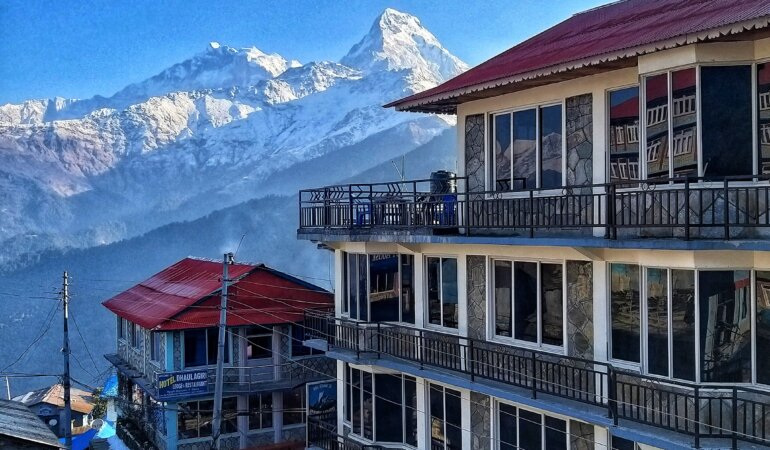
Accommodation on Ghorepani Poon Hill Trek: Tea Houses, Lodges & Costs
- soleencounters
Introduction
Accommodation on Ghorepani Poon Hill Trek is one of the most important aspects trekkers consider while planning this popular short trek in the Annapurna region. Known for its breathtaking sunrise views over the Annapurna and Dhaulagiri ranges, the Ghorepani Poon Hill Trek is a perfect choice for beginners, families, and travelers with limited time. While the trek is relatively easy, understanding where you will stay each night plays a major role in ensuring a comfortable and enjoyable experience.
Table of Contents
Unlike remote high-altitude treks, this route is well-developed with tea houses and lodges spread across charming villages like Tikhedhunga, Ghorepani, Tadapani, and Ghandruk. However, accommodation standards, prices, and facilities can vary depending on location and season. For first-time trekkers especially, questions about room comfort, food quality, hot showers, and extra costs are very common.
In this complete guide on Accommodation on Ghorepani Poon Hill Trek, you will learn about the types of accommodation available, average costs per night, facilities offered by tea houses, and practical tips to choose the best lodge along the trail. This guide will help you plan your stay wisely, avoid surprises on the trek, and enjoy a smooth Himalayan trekking experience.
Overview of Accommodation on Ghorepani Poon Hill Trek
The Accommodation on Ghorepani Poon Hill Trek follows a traditional tea house trekking system, which is one of the reasons this route is so popular among both local and international trekkers. Tea houses are small, family-run lodges that provide basic yet comfortable rooms along with hot meals. Almost every village on the trail has multiple tea houses, making it easy to find a place to stay without camping.
Along the trekking route, you will find simple tea houses, standard lodges, and a few relatively comfortable guesthouses, especially in larger villages like Ghorepani and Ghandruk. Rooms are usually twin-sharing with beds, mattresses, pillows, and blankets. Bathrooms are often shared, though some lodges offer attached bathrooms at a higher cost. During peak trekking seasons, accommodation can fill up quickly, especially in Ghorepani due to its proximity to Poon Hill viewpoint.
This accommodation system makes the trek highly suitable for beginners and first-time trekkers. There is no need for prior trekking or camping experience, and daily walking hours are manageable. The availability of food, warm beds, and social dining areas also adds comfort and safety. Overall, the well-established tea house network ensures that trekkers can focus more on enjoying the scenery and culture rather than worrying about logistics.
Types of Accommodation Available
Tea Houses
Tea houses are the backbone of Accommodation on Ghorepani Poon Hill Trek and the most common type of stay along the trail. In Nepal’s trekking routes, tea houses are small, family-run lodges that provide basic accommodation and freshly cooked meals to trekkers. They are designed specifically to support trekkers, offering a warm place to sleep, eat, and rest after a day of hiking.
In a typical tea house, trekkers can expect twin-sharing rooms with simple wooden beds, foam mattresses, pillows, and blankets. Rooms are basic but clean, and bathrooms are usually shared. Most tea houses have a communal dining area, which is often heated by a stove in the evening, making it the social center of the lodge. Meals are served from a fixed menu, and trekkers are encouraged to eat where they stay, as room prices are often kept low in exchange for dining there.
Tea houses are widely available throughout the route, especially in popular villages such as Tikhedhunga, Ulleri, Ghorepani, Tadapani, and Ghandruk. Ghorepani has the highest concentration of tea houses due to its popularity as the gateway to Poon Hill. These tea houses make the trek comfortable and accessible, even for those with no prior trekking experience.
Lodges
Lodges are another important part of Accommodation on Ghorepani Poon Hill Trek, often offering a slightly more comfortable experience compared to standard tea houses. While the terms “tea house” and “lodge” are sometimes used interchangeably, lodges generally refer to better-built properties with upgraded facilities.
The main difference between tea houses and lodges lies in the level of comfort and services. Lodges may offer cleaner rooms, thicker mattresses, better blankets, and in some cases, attached bathrooms with hot showers. Dining areas are often more spacious, and menus may include a wider variety of food options, including Western meals.
You will usually find better lodges in larger and more developed villages such as Ghorepani and Ghandruk, where tourism infrastructure is more advanced. These lodges are ideal for trekkers who prefer extra comfort, families traveling together, or those trekking during colder months. Although lodge stays cost slightly more than basic tea houses, they still remain affordable and maintain the authentic trekking experience.
Village-Wise Accommodation Breakdown
Tikhedhunga / Ulleri
Accommodation on Ghorepani Poon Hill Trek begins from villages like Tikhedhunga or Ulleri, which are common first overnight stops depending on your starting point and walking pace. These villages offer several basic tea houses and small lodges designed to welcome trekkers after a long day of ascent, especially the famous stone steps to Ulleri.
Accommodation options here are mostly simple tea houses with twin-sharing rooms. Rooms are generally clean but modest, featuring wooden beds, foam mattresses, blankets, and shared bathrooms. Hot showers are often available for an extra cost, and electricity is usually reliable. Dining halls are cozy and provide hearty meals, making these villages a comfortable introduction to tea house trekking in Nepal.
Ghorepani
Ghorepani is one of the most important overnight stops and a central hub for Accommodation on Ghorepani Poon Hill Trek. Located close to the famous Poon Hill viewpoint, this village has the widest range of accommodation options along the route. From basic tea houses to more comfortable lodges, trekkers can find a stay that suits their budget and preference.
Due to its popularity, Ghorepani offers better room conditions, warmer dining areas, and more menu choices compared to smaller villages. Some lodges even provide attached bathrooms and hot showers, which are highly valued during colder seasons. However, Ghorepani becomes very crowded during peak trekking seasons in spring and autumn. Rooms can fill up quickly, making early arrival or advance booking highly recommended.
Tadapani
Tadapani is a quieter village and a peaceful stop along the trail, offering a different experience of Accommodation on Ghorepani Poon Hill Trek. Compared to Ghorepani, Tadapani has fewer tea houses and lodges, but the available accommodations are generally comfortable and well-maintained.
Rooms in Tadapani are clean and basic, with shared bathrooms and limited electricity. The real highlight of staying here is the quiet, scenic environment, surrounded by dense forests and mountain views. Fewer crowds make Tadapani an excellent choice for trekkers who prefer a calm atmosphere and a closer connection to nature.
Ghandruk
Ghandruk is widely considered the best village for comfortable accommodation on the Ghorepani Poon Hill route. As a large and culturally rich Gurung village, Ghandruk offers some of the most well-developed lodges and guesthouses in the region.
Accommodation options here include comfortable lodges with better bedding, attached bathrooms, hot showers, and reliable electricity. The village is known for its traditional Gurung hospitality, where guests are welcomed with warmth and local culture. With stunning mountain views and a relaxed setting, Ghandruk provides an ideal place to end or begin the trek in comfort.
Room Types and Facilities
Room Types
The Accommodation on Ghorepani Poon Hill Trek mainly offers simple but functional room types designed for trekkers rather than luxury travelers. The most common option throughout the trail is twin sharing rooms, which are available in almost every tea house and lodge. These rooms typically include two single beds placed side by side, making them ideal for trekking partners, friends, or solo trekkers paired together.
Twin sharing rooms usually come with basic furnishings, including wooden beds, foam mattresses, pillows, and blankets. Storage space is limited, but sufficient for a backpack. During peak seasons, these rooms are in high demand, especially in popular villages like Ghorepani, so availability can be limited by late afternoon.
Private rooms are sometimes available, mainly during the off-season or in larger villages such as Ghandruk and Ghorepani. These rooms offer more privacy and are suitable for couples, families, or trekkers willing to pay a slightly higher price. However, private rooms are not guaranteed during busy months, and flexibility is important.
Common Facilities
Facilities provided as part of Accommodation on Ghorepani Poon Hill Trek are basic but adequate for a comfortable stay after a long day of walking. Most rooms include beds with blankets and pillows, but the thickness and warmth of blankets can vary depending on the lodge and season. During colder months, carrying a sleeping bag is recommended for extra warmth.
Shared bathrooms are standard in most tea houses, especially in smaller villages like Tikhedhunga and Tadapani. These bathrooms may be located outside the room or in a separate building. Cleanliness is generally maintained, but facilities are simple, and hot water is not always guaranteed.
Hot showers are available in many tea houses and lodges, usually for an additional charge. The type of hot shower may vary, including gas-heated, solar-heated, or bucket showers. Availability can depend on weather conditions and altitude, with more reliable hot showers found in lower and more developed villages.
Food and Dining Experience at Tea Houses
Food is a key part of the overall Accommodation on Ghorepani Poon Hill Trek, as tea houses are not just places to sleep but also serve as the main dining spots along the trail. Since there are no separate restaurants between villages, trekkers rely entirely on tea houses for breakfast, lunch, and dinner. Meals are freshly prepared and designed to provide the energy needed for daily trekking.
Meal Options Available
Most tea houses offer a standard trekking menu that is similar throughout the route. Breakfast options usually include Tibetan bread, chapati, porridge, eggs, pancakes, and toast, along with tea or coffee. Lunch and dinner menus feature filling meals that help restore energy after long walking hours. Portions are generous, and food quality is generally reliable, especially in established villages.
Typical Nepali and Western Dishes
The most popular and recommended meal is Dal Bhat, a traditional Nepali dish consisting of rice, lentil soup, vegetables, and pickles. It is highly nutritious and often comes with free refills, making it ideal for trekkers. Other common Nepali items include thukpa (noodle soup), momos (dumplings), and fried rice.
Western dishes are also widely available, especially in Ghorepani and Ghandruk. These may include pasta, spaghetti, fried noodles, pizza, burgers, and soups. While Western meals are convenient, they are usually more expensive and may take longer to prepare compared to local food.
Importance of Eating Where You Stay
One important rule of Accommodation on Ghorepani Poon Hill Trek is the expectation that trekkers eat at the same tea house where they stay overnight. Room prices are kept relatively low because tea houses rely on food sales as their main source of income. Choosing to eat elsewhere may result in higher room charges or limited service.
Eating where you stay also ensures freshly prepared meals, better service, and smoother communication with lodge owners. It supports local families directly and helps maintain the sustainability of the tea house trekking system.
Cost of Accommodation on Ghorepani Poon Hill Trek
Understanding the expenses related to Accommodation on Ghorepani Poon Hill Trek helps trekkers plan their budget more effectively. Overall, this trek is considered one of the most affordable trekking routes in Nepal, with reasonable costs for both rooms and food. However, prices can vary depending on altitude, season, and village location.
Room Cost
The average room cost per night on the Ghorepani Poon Hill route is relatively low compared to other Himalayan treks. In most tea houses, a standard twin sharing room typically costs between NPR 500 to NPR 1,000 per night. In more developed villages like Ghorepani and Ghandruk, rooms with better facilities or attached bathrooms may cost slightly more.
Seasonal price variation plays an important role in accommodation costs. During peak trekking seasons in spring (March to May) and autumn (September to November), prices may increase due to high demand. In contrast, during the off-season such as monsoon and winter, room rates are often lower, and private rooms are easier to find.
Food Cost
Food costs form a significant part of the overall Accommodation on Ghorepani Poon Hill Trek budget. On average, breakfast costs range from NPR 300 to NPR 600, depending on the dish. Lunch and dinner are slightly more expensive, typically ranging between NPR 500 to NPR 900 per meal.
Food prices increase gradually with altitude and remoteness. This is because all supplies must be carried by porters or mules, increasing transportation costs. Additionally, limited access to electricity and fuel in higher villages contributes to higher food prices. Local meals like Dal Bhat are usually the most affordable and filling option on the menu.
Additional Charges
Apart from room and food costs, trekkers should be prepared for additional charges as part of Accommodation on Ghorepani Poon Hill Trek.
- Hot showers usually cost between NPR 200 to NPR 500, depending on the location and type of heating system.
- Charging electronic devices such as phones and cameras often costs NPR 100 to NPR 300 per device. Charging is typically done in the dining area.
- Wi-Fi fees range from NPR 200 to NPR 500, though internet speed can be slow and unreliable, especially in higher villages.
These extra costs may seem small individually but can add up over multiple nights, so it is wise to budget accordingly.
Seasonal Impact on Accommodation
The experience of Accommodation on Ghorepani Poon Hill Trek changes noticeably with the seasons. Weather conditions, number of trekkers, and accessibility directly affect room availability, prices, and overall comfort. Understanding seasonal differences helps trekkers choose the best time to visit based on their budget and expectations.
Peak Seasons (Spring & Autumn)
Spring (March to May) and autumn (September to November) are the most popular trekking seasons in the Annapurna region. During these months, Accommodation on Ghorepani Poon Hill Trek faces high demand, especially in key villages like Ghorepani and Tadapani. Clear skies, stable weather, and excellent mountain views attract a large number of trekkers.
Due to this demand, rooms can become limited by late afternoon, particularly in Ghorepani, which is the main overnight stop before the Poon Hill sunrise hike. Price fluctuations are also common during peak seasons, with room rates and food costs slightly higher than usual. Advance planning, early arrival at lodges, or trekking with a guide can help secure better accommodation during these busy periods.
Off-Season (Monsoon & Winter)
The off-season, which includes monsoon (June to August) and winter (December to February), offers a very different experience of Accommodation on Ghorepani Poon Hill Trek. During these months, lower prices are common, and trekkers have more flexibility in choosing rooms, including private rooms at affordable rates.
However, limited lodge availability can be a challenge. Some tea houses may close temporarily due to low visitor numbers or harsh weather conditions, especially in winter. In the monsoon season, heavy rainfall can affect trail conditions and reduce visibility, while winter brings colder temperatures and occasional snowfall. Despite these challenges, off-season trekking appeals to budget travelers and those seeking quieter trails.
Booking Accommodation: Advance vs On-the-Go
One of the key considerations for Accommodation on Ghorepani Poon Hill Trek is deciding whether to pre-book tea houses or find rooms on the go. The answer depends on the season, your trekking style, and comfort preferences.
Do You Need to Pre-Book Tea Houses?
During peak seasons (spring and autumn), the trek experiences high footfall, particularly in popular villages like Ghorepani and Ghandruk. Rooms can fill up by late afternoon, and tea houses may prioritize trekkers who reserve in advance. Pre-booking your accommodation ensures that you secure your preferred room type and avoid last-minute stress. In contrast, during the off-season, it is generally easier to find rooms without prior booking.
Benefits of Trekking with a Guide or Agency
Booking accommodation through a trekking guide or agency comes with several advantages. Guides are familiar with the best tea houses and lodges in each village, can negotiate prices, and ensure that your rooms are clean and safe. Agencies also handle peak season logistics, so you don’t have to worry about availability or long waits for meals and beds. For first-time trekkers, this adds convenience and peace of mind.
Flexibility for Independent Trekkers
Independent trekkers who prefer spontaneity can still enjoy the trek by finding rooms on-the-go, especially in smaller villages like Tikhedhunga, Ulleri, or Tadapani. This approach allows flexibility in daily walking distances and choosing accommodations based on current needs. However, trekkers must be prepared for limited availability in Ghorepani and Ghandruk during busy seasons. Carrying cash and having a backup plan are essential when choosing this option.
Overall, understanding the balance between pre-booking and on-the-go stays helps trekkers enjoy the Ghorepani Poon Hill trail comfortably, without worrying about accommodation surprises.
Cleanliness and Hygiene Standards
Maintaining proper hygiene is an important aspect of Accommodation on Ghorepani Poon Hill Trek, as tea houses and lodges vary in cleanliness depending on location, season, and village size. Understanding what to expect and how to manage personal hygiene can make your trek safer and more comfortable.
General Cleanliness of Rooms
Most tea houses along the trail offer basic but clean rooms, with wooden or concrete floors, beds, and blankets. Larger villages like Ghorepani and Ghandruk generally maintain higher standards of cleanliness due to frequent tourist visits. However, in smaller villages such as Tikhedhunga, Ulleri, or Tadapani, room conditions may be more rustic, and daily housekeeping can be limited.
Bathroom Hygiene
Bathrooms are usually shared, and while most tea houses try to keep them clean, facilities are basic. Some lodges have attached bathrooms, but water may be cold or limited, especially in higher-altitude villages. Trekkers should be prepared for simple squat toilets or Western-style toilets with limited running water. Carrying a small travel towel and biodegradable soap is recommended for personal hygiene.
Tips to Maintain Personal Hygiene During the Trek
- Carry hand sanitizer and wet wipes to keep hands and surfaces clean.
- Pack quick-dry towels for use in shared bathrooms or showers.
- Bring a small first-aid kit including antiseptic wipes, as minor cuts or scrapes are common on trails.
- Use sleeping bags or liners for added hygiene and warmth.
- Drink bottled or boiled water and maintain personal hydration to stay healthy.
By following these simple tips, trekkers can enjoy comfortable accommodation on Ghorepani Poon Hill Trek without compromising on hygiene, even in remote locations.
Electricity, Wi-Fi, and Charging Facilities
For modern trekkers, access to electricity, internet, and charging facilities is an important part of Accommodation on Ghorepani Poon Hill Trek. While the trail offers a rustic and natural experience, most tea houses and lodges provide basic amenities to help trekkers stay connected and powered up.
Availability of Electricity
Electricity is generally available in larger villages such as Ghorepani, Ghandruk, and Tadapani, but supply can be intermittent in smaller or more remote villages like Tikhedhunga and Ulleri. Power outages are common, especially in the off-season, so it is wise to carry portable power banks or solar chargers.
Charging Points and Costs
Most tea houses offer charging facilities for phones, cameras, and other electronic devices. This service usually comes at an extra cost, ranging from NPR 100 to NPR 300 per device per night. Some lodges allow overnight charging in your room, while others have a central charging area in the dining hall. Carrying your own charging adapter is essential, as not all lodges provide multiple plug types.
Internet Connectivity Along the Trail
Wi-Fi is available in select tea houses and lodges, particularly in Ghorepani and Ghandruk. However, internet speeds are often slow and unreliable, and higher-altitude or remote villages may have no connectivity at all. Wi-Fi usually comes with a nominal fee of NPR 200–500, depending on the lodge. For most trekkers, Wi-Fi is suitable for basic communication and checking emails, but streaming or heavy downloads are not recommended.
Even with limited connectivity, the rustic charm of the trail and the breathtaking Himalayan scenery make Accommodation on Ghorepani Poon Hill Trek a comfortable and memorable experience while staying connected when necessary.
Safety and Comfort Tips for Staying in Tea Houses
Staying safe and comfortable is an essential part of Accommodation on Ghorepani Poon Hill Trek, especially for first-time trekkers. Tea houses provide basic lodging, but following a few practical tips can ensure a pleasant and worry-free experience.
Securing Valuables
Most tea houses on the trail are safe, but it is always wise to keep valuables secure. Carry a small travel lock for your backpack or use a money pouch worn under your clothes. Avoid leaving cash, passports, or electronics unattended in shared rooms or dining areas. Many lodges also provide small lockable storage, but it’s best not to rely solely on this.
Cold-Weather Sleeping Tips
The trek passes through higher-altitude villages where nights can get very cold, particularly from late autumn to early spring. While tea houses provide blankets and pillows, it is recommended to carry a sleeping bag or liner for added warmth and hygiene. Wearing thermal layers and keeping socks on while sleeping can make a significant difference in comfort.
Respecting Local Customs
Tea houses are often family-run businesses, and staying respectful goes a long way. Remove shoes before entering rooms or dining areas, ask permission before taking photos, and follow any house rules regarding meals and shared facilities. Interacting politely with local staff not only enhances your experience but also supports the sustainability of the Accommodation on Ghorepani Poon Hill Trek system.
Accommodation Tips for Different Types of Trekkers
The Accommodation on Ghorepani Poon Hill Trek caters to a wide range of trekkers, from budget travelers to solo adventurers. Understanding the options and planning according to your trekking style can make your stay more comfortable and enjoyable.
1 Budget Trekkers
For budget-conscious trekkers, tea houses are the most affordable option along the trail. To save costs:
- Opt for twin-sharing rooms instead of private rooms.
- Eat locally by choosing traditional Nepali meals like Dal Bhat rather than Western dishes.
- Travel in the off-season when room and food prices are generally lower.
- By following these tips, budget travelers can enjoy comfortable accommodation on Ghorepani Poon Hill Trek without overspending.
2 Luxury-Seeking Trekkers
Trekkers who prefer a more comfortable stay can choose lodges with better facilities. The best villages for comfortable stays are Ghorepani and Ghandruk, where lodges offer:
- Attached bathrooms with hot showers
- Thicker mattresses and extra blankets
- Spacious dining areas with varied menu options
- Luxury-seeking trekkers may pay slightly higher rates, but the additional comfort enhances the overall trekking experience.
3 Solo and Female Trekkers
Safety and comfort are especially important for solo and female trekkers. Tips include:
- Choose reliable lodges with good reviews or recommendations from guides.
- Avoid staying in isolated tea houses, especially at night.
- Keep valuables secured and maintain situational awareness in shared spaces.
- Following these precautions ensures a safe and enjoyable experience while enjoying Accommodation on Ghorepani Poon Hill Trek.
Do You Need a Sleeping Bag?
When planning Accommodation on Ghorepani Poon Hill Trek, many trekkers wonder whether carrying a sleeping bag is necessary. While tea houses provide basic bedding, understanding when and why to bring a sleeping bag can make your nights more comfortable.
Availability of Blankets
Most tea houses along the trail offer blankets and pillows in every room. These are usually sufficient for mild weather, especially during the daytime and in lower-altitude villages like Tikhedhunga and Ulleri. However, the thickness and warmth of blankets vary from lodge to lodge, and in smaller or less-maintained tea houses, bedding may feel thin or slightly worn.
Best Seasons to Carry a Sleeping Bag
A sleeping bag is highly recommended during the winter months (December to February), when nighttime temperatures can drop below freezing in higher-altitude villages like Ghorepani and Tadapani. Trekkers may also prefer a sleeping bag in the off-season or early spring, as cold nights can be uncomfortable, particularly for those sensitive to low temperatures. A lightweight, compact sleeping bag or liner adds both warmth and hygiene, ensuring a more restful sleep after a day of trekking.
By carrying a sleeping bag when necessary, trekkers can enjoy comfortable accommodation on Ghorepani Poon Hill Trek, even during colder months, without compromising on warmth or hygiene.
Responsible and Eco-Friendly Stay
Practicing responsibility and sustainability is an important aspect of Accommodation on Ghorepani Poon Hill Trek. While enjoying the comfort of tea houses and lodges, trekkers can make choices that support local communities and protect the fragile Himalayan environment.
Supporting Local Businesses
Most tea houses and lodges are family-run, relying on trekking tourism as their main source of income. Choosing to eat and stay locally directly benefits the communities along the trail. Purchasing meals, drinks, and small souvenirs from local shops helps sustain these businesses and encourages continued investment in accommodation and services for trekkers.
Reducing Plastic Waste
Plastic waste is a growing concern on trekking routes. Trekkers can minimize their impact by:
- Carrying reusable water bottles instead of buying bottled water repeatedly
- Using reusable utensils or cutlery
- Avoiding single-use packaging for snacks
- By being mindful of waste, you contribute to keeping villages and trails clean while enjoying Accommodation on Ghorepani Poon Hill Trek.
Respecting Local Culture and Environment
Tea houses are not just lodging, they are part of the local cultural landscape. Respecting customs, removing shoes before entering rooms, dressing modestly, and following lodge rules ensures harmony with local communities. Avoiding damage to the natural environment, such as littering or straying off trails, also helps preserve the pristine Himalayan scenery for future trekkers.
By practicing these simple eco-friendly and responsible habits, trekkers can enjoy their stay comfortably while making a positive impact on the communities and environment along the Ghorepani Poon Hill Trek.
Common FAQs About Accommodation on Ghorepani Poon Hill Trek
Trekkers often have several questions about Accommodation on Ghorepani Poon Hill Trek. Understanding what to expect can help you plan better and avoid surprises on the trail.
Are Rooms Heated?
Most tea houses and lodges do not have central heating, but common areas like dining halls often have a wood-fired stove during colder months. Some larger lodges in Ghorepani and Ghandruk may provide small heaters or electric blankets, but it is recommended to carry a sleeping bag or warm liner for nights in higher-altitude villages.
Can I Get a Private Bathroom?
Private bathrooms are available in some lodges, particularly in Ghorepani and Ghandruk, but they are limited and usually cost extra. In smaller villages like Tikhedhunga, Ulleri, and Tadapani, bathrooms are typically shared. During peak seasons, booking early is advisable if you prefer an attached bathroom.
Is Vegetarian Food Available?
Yes, most tea houses along the trail serve vegetarian meals, including dishes like Dal Bhat, thukpa, fried rice, and vegetable momos. Western vegetarian options such as pasta or noodles are also available in more developed villages. Always confirm with the lodge staff if you have dietary restrictions.
Are Accommodations Safe During Winter?
Accommodations are generally safe during winter, but some smaller tea houses may close temporarily due to snow or cold weather. Larger villages like Ghorepani, Tadapani, and Ghandruk maintain lodging services throughout the season. Carrying a warm sleeping bag, extra layers, and checking trail conditions is recommended for safe winter trekking.
Final Thoughts
Accommodation on Ghorepani Poon Hill Trek offers a unique and memorable experience that goes beyond just a place to sleep. Tea houses and lodges along the trail provide not only comfortable rooms and warm meals but also an opportunity to connect with local communities and fellow trekkers. The variety of options, from basic tea houses to more developed lodges, ensures that first-time trekkers and seasoned hikers alike can find suitable stays along the route.
Staying in tea houses enhances the trekking experience by offering a cozy environment after a day of hiking, social interactions in communal dining areas, and a chance to experience traditional Nepali hospitality. The simplicity and charm of tea house accommodation are part of what makes the Ghorepani Poon Hill Trek a favorite among travelers seeking both adventure and cultural immersion.
Plan Your Stay on Ghorepani Poon Hill Trek
To make the most of your trek, it’s important to plan your accommodation wisely. Consider the season, peak periods, and village stops to ensure a comfortable stay each night. Checking your itinerary in advance helps in allocating enough time for trekking, rest, and enjoying the stunning sunrise at Poon Hill.
For more detailed guidance, refer to our Complete Ghorepani Poon Hill Trek Guide and Ghorepani Poon Hill Trek Itinerary. These resources provide information on daily walking distances, lodge options, seasonal advice, and cost estimates, helping you make informed decisions before setting out. Planning ahead ensures that your trek is smooth, safe, and unforgettable, letting you focus on the spectacular Himalayan scenery and local culture.
With proper preparation and awareness of Accommodation on Ghorepani Poon Hill Trek, every night on the trail can be a comfortable and enriching experience, making your journey both enjoyable and stress-free.
Recent Posts
.jpg)
3rd Jul, 2025
.jpg)
4th Jul, 2025
.jpg)
4th Jul, 2025
.jpg)
7th Jul, 2025
.jpg)
8th Jul, 2025
.jpg)
8th Jul, 2025
.jpg)
8th Jul, 2025

10th Jul, 2025