Annapurna Circuit Trek 2026: 13-Day Itinerary & Cost Guide
- soleencounters
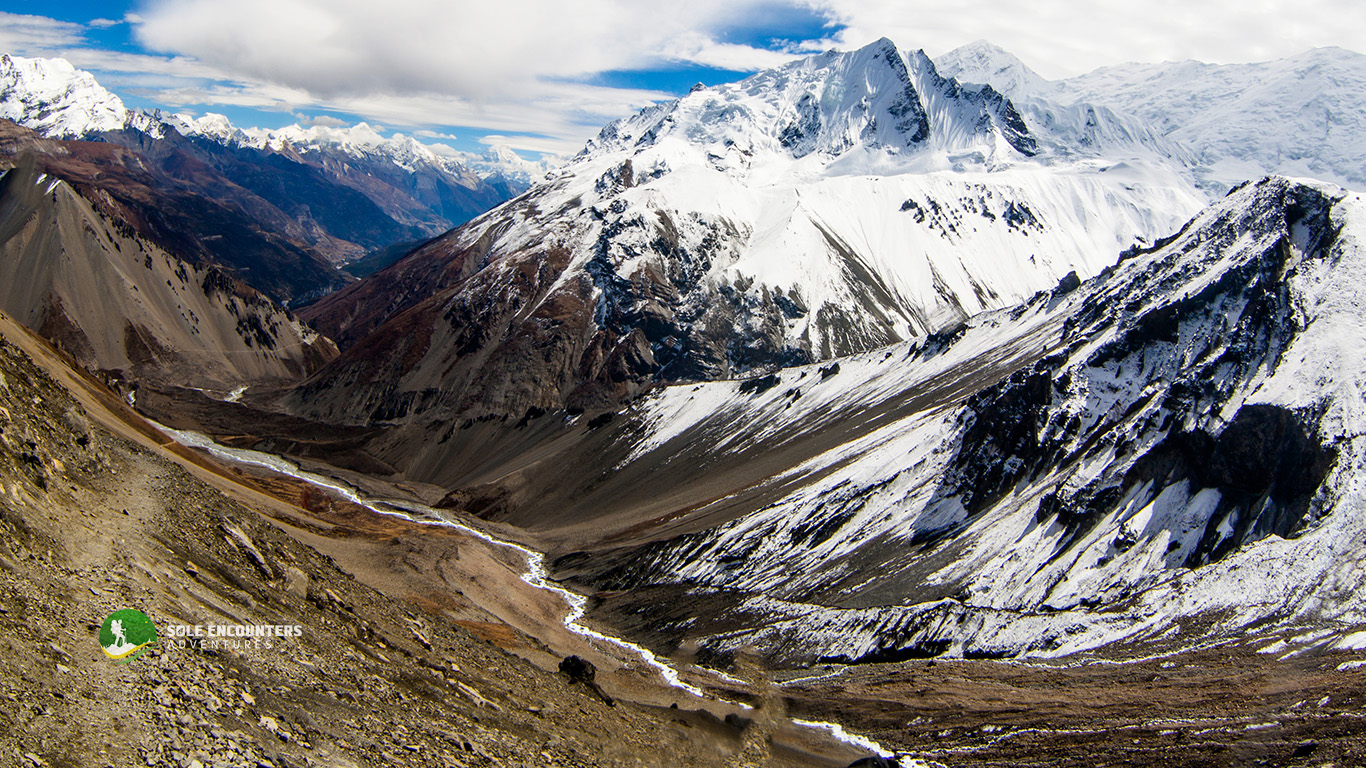
Are you dreaming of standing among the highest mountains on Earth? The Annapurna Circuit Trek is one of the most famous walking trails in the world. In 2026, the trek is better than ever. It offers upgraded mountain lodges, clearer side trails away from the new jeep roads, and unmatched views of giant snow-capped peaks.
Table of Contents
This giant guide breaks down everything you need to know. We cover the exact 13-day itinerary, required permits, packing secrets, and total costs. We also look at how it compares to other incredible hikes in Nepal so you can plan your perfect Himalayan adventure.
📋 Quick Facts: What is the Annapurna Circuit Trek?
Before we dive into the details, here is a quick look at what makes this trek so legendary:
- Total Duration: 13 to 18 Days (Depending on side trips)
- Total Distance: Roughly 160 to 230 kilometers (99 to 142 miles)
- Maximum Altitude: 5,416 meters (17,769 feet) at the famous Thorong La Pass
- Trek Difficulty: Moderate to Challenging (Great for fit beginners and experienced hikers)
- Best Months to Go: Spring (March to May) and Autumn (September to November)
💰 Budget Guide: How Much Does the Annapurna Circuit Trek Cost in 2026?
The total cost of your trip depends heavily on how you choose to travel. In the past, many people hiked this trail completely alone. However, independent trekking is now heavily restricted due to updated safety rules across Nepal. Booking a guided package has become the safest and most popular option.
Thankfully, working with local experts is incredibly affordable. For example, a fully guided 13-day package through trusted local operators like Sole Encounters Adventures starts at just $1199 USD per person.
What is Usually Included in a $1199 Package:
- Official Permits: Your required ACAP permit and TIMS cards are handled for you.
- Stays: Standard hotel rooms in Kathmandu and cozy mountain teahouses along the trail.
- Food: Three warm meals a day (breakfast, lunch, and dinner) during the active hike.
- Safety: A licensed local guide who knows the weather and a helpful porter to carry your heavy bags.
Extra Expenses to Plan For:
Even with an all-inclusive package, the mountain teahouses charge extra for luxury items. You should bring around $15 to $20 USD extra per day in Nepalese Cash (NPR) for:
- Hot Showers: Gas or solar-heated showers cost around $2 to $4 USD.
- Battery Charging: Power outlets in the rooms are rare. Charging phones or power banks costs $1 to $3 USD.
- Wi-Fi Internet: Satellite internet cards cost around $3 to $5 USD per day.
- Snacks: Bottled water, candy bars, bakery treats, and soft drinks get pricier the higher you climb.
🥾 Day-by-Day Guide: The Best 13-Day Itinerary
This classic route is carefully planned to help your body adapt to the high altitude slowly and safely. Walking too high too fast can make you very sick, so following a proven schedule is essential.
Day 1: Arrival in Kathmandu
Welcome to Nepal! Your guide will meet you at the Tribhuvan International Airport and transfer you to your hotel in the bustling neighborhood of Thamel. Use this day to rest from your flight, buy any last-minute gear like trekking poles or water purification tablets, and meet your group for a pre-trip briefing.
Day 2: Drive from Kathmandu to Dharapani
- Drive Time: 8 to 10 hours
- Max Altitude: 1,860 meters
Your journey starts with a long, scenic drive. You will leave the Kathmandu valley behind and travel along the winding Trishuli and Marshyangdi rivers. The road passes through lush green hills, small farming villages, and deep waterfalls before reaching the mountain village of Dharapani, where your foot journey begins.
Day 3: Trek from Dharapani to Chame
- Walking Time: 5 to 6 hours
- Max Altitude: 2,670 meters
Today you hit the trail! You will walk through beautiful pine and oak forests, crossing suspension bridges over rushing glacial rivers. As you approach Chame, the administrative headquarters of the Manang district, you will catch your first clear views of Lamjung Himal and Annapurna II.
Day 4: Trek from Chame to Upper Pisang
- Walking Time: 5 to 6 hours
- Max Altitude: 3,300 meters
The trail stays inside a steep river canyon before opening up into a massive, bowl-shaped valley. You will pass a spectacular, smooth rock wall known as Paungda Danda, which rises over 1,500 meters straight up from the river. You will spend the night in Upper Pisang, an ancient village filled with traditional stone houses and Tibetan prayer flags.
Day 5: Trek from Upper Pisang to Ngawal
- Walking Time: 4 to 5 hours
- Max Altitude: 3,660 meters
Instead of taking the lower valley road, this itinerary takes the upper trail to Ngawal. It involves a steep climb, but the reward is worth it. You get panoramic, eye-level views of the entire Annapurna mountain range. This higher route is also fantastic for training your lungs for the big pass later on.
Day 6: Trek from Ngawal to Manang
- Walking Time: 4 hours
- Max Altitude: 3,540 meters
You will descend gently from Ngawal back down into the main valley, passing through the arid, desert-like landscape of the rain shadow zone. You will pass Braga village, home to a 500-year-old monastery, before arriving in the thriving mountain hub of Manang.
Day 7: Rest & Acclimatization Day in Manang
- Walking Time: 2 to 3 hours (Optional side hike)
- Max Altitude: 3,540 meters
Do not skip this day! Your body needs time to adjust to the thin mountain air before going any higher. Spend your morning taking a short hike up to Gangapurna Lake or the local viewpoint to practice the golden rule of mountaineering: "Climb high, sleep low." In the afternoon, you can relax in a local bakery, watch a trekking movie, or attend a safety lecture on altitude sickness.
Day 8: Trek from Manang to Yak Kharka
- Walking Time: 4 hours
- Max Altitude: 4,050 meters
The walk shortens as you pass the 4,000-meter mark. The trail climbs gently out of the Marshyangdi valley and enters alpine meadows where local farmers graze their yaks. The air is visibly thinner here, so you must walk at a slow, steady pace.
Day 9: Trek from Yak Kharka to Thorong Phedi
- Walking Time: 4 to 5 hours
- Max Altitude: 4,450 meters
You will walk along the base of massive cliffs, crossing a small wooden bridge to reach Thorong Phedi, the base camp of the pass. Some fit groups choose to push up to High Camp (4,925m), but staying at Thorong Phedi ensures a safer night of sleep and protects you from severe headaches. Rest early, because tomorrow is the big day!
Day 10: Cross the Thorong La Pass (5,416m) to Muktinath
- Walking Time: 8 to 10 hours
- Max Altitude: 5,416 meters
Your alarm will go off around 3:30 AM. Wearing all your warmest clothes and a headlamp, you will begin the long, freezing climb up to Thorong La Pass, the highest point of the trek. Walking through the snow is tough, but standing at the top next to the colorful prayer flags is an unforgettable feeling. After celebrating, you will make a long, steep descent down into the desert landscape of Mustang, arriving at the sacred temple village of Muktinath.
Day 11: Drive from Muktinath to Pokhara via Jomsom
- Drive Time: 6 to 7 hours
- Max Altitude: 3,760 meters
After visiting the famous 108 water spouts at Muktinath Temple, you will take a local vehicle through the deepest gorge in the world—the Kali Gandaki Gorge. You will pass through the windy town of Jomsom and drive all the way down to Pokhara. Celebrate your success with a hot meal, a cold drink, and a relaxing evening by the beautiful Phewa Lake.
Day 12: Drive from Pokhara back to Kathmandu
- Drive Time: 6 to 8 hours
You will board a comfortable tourist bus for the return trip to Kathmandu. Watch the countryside fly by as you reflect on the incredible mountains you just conquered. Spend your final evening in Thamel shopping for souvenirs and enjoying a farewell dinner with your guide.
Day 13: Final Departure
Your adventure comes to an end. A representative will drive you to the international airport for your flight back home.
🎒 Packing Guide: Essential Gear for Thorong La Pass
Because you start your walk in warm, sub-tropical valleys and end up in freezing alpine snow fields, packing the right layers is critical. Here are the five most important things to bring:
- A Heavy Down Jacket: Temperatures at Thorong La Pass can drop well below -10°C (14°F) in the early morning. A thick jacket is vital.
- Sturdy, Broken-In Hiking Boots: Do not wear brand-new shoes! Avoid painful blisters by breaking in your boots months before your trip.
- Four-Season Sleeping Bag: Teahouse bedrooms are not heated. A warm sleeping bag rated for comfort down to -10°C will keep you cozy at night.
- Polarized Sunglasses: The high-altitude sun reflecting off white snow can cause temporary snow blindness. Always protect your eyes.
- Water Filter or Purification Tablets: Avoid buying plastic bottles in the mountains to protect the environment. Treat local tap water to make it safe to drink.
🧭 Comparison Guide: Other Iconic Treks in Nepal
The Annapurna Circuit is spectacular, but it is not the only world-class hike in Nepal. If you have more time, want less crowded trails, or want to explore completely different regions, you should consider these other incredible options:
🏔️ 1. The Annapurna Circuit with Tilicho Lake Trek
If you love the classic circuit but want a bigger challenge, you can add an extension to one of the highest alpine lakes in the world. The Annapurna Circuit with Tilicho Lake Trek adds 3 extra days to your itinerary. From Manang, you will branch off to Tilicho Base Camp and climb to 4,919 meters to see a striking, deep-blue glacial lake surrounded by massive walls of pure ice.
🥾 2. The Annapurna Base Camp Trek (ABC)
Don't have 13 days to spare? The Annapurna Base Camp Trek is a shorter, 7 to 10-day hike that takes you deep into the heart of the mountains. Instead of walking around the mountain range, you walk straight into a giant natural bowl known as the Annapurna Sanctuary. You sleep at 4,130 meters, completely surrounded by a 360-degree wall of towering peaks. It involves lots of stone stairs but requires less high-altitude acclimatization than the full circuit.
🌅 3. The Ghorepani Poon Hill Trek
If you want an easy, family-friendly hike with zero risk of altitude sickness, the Ghorepani Poon Hill Trek is the perfect choice. This 4 to 5-day route winds through beautiful pink rhododendron forests and traditional Gurung villages. The highlight is waking up early to watch the sunrise from Poon Hill (3,210m), where the morning sun paints the Annapurna and Dhaulagiri mountain ranges in bright shades of gold and orange.
🧗 4. The Iconic Everest Base Camp Trek (EBC)
If you want to see the highest peak on Earth with your own eyes, you must head to the Khumbu region for the Everest Base Camp Trek. This legendary 12 to 14-day hike starts with a thrilling flight into the mountain airstrip of Lukla. You will walk past famous Sherpa villages like Namche Bazaar, hike past ancient monasteries, and stand at the base of Mount Everest (5,364m). It is colder and more rugged than the Annapurna region, making it an ultimate bucket-list challenge.
🤫 5. The Manaslu Circuit Trek
Are you looking to escape the crowds and experience an untamed, wilderness trail? The Manaslu Circuit Trek is Nepal's premier "off-the-beaten-path" adventure. This tea-house route circles Mount Manaslu, the eighth highest mountain in the world. It features raw Tibetan culture, dramatic river suspension bridges, and a challenging crossing over the Larkya La Pass (5,106m). Because it requires special restricted area permits, the trails remain peaceful and uncrowded.
🚀 Final Steps: Plan Your 2026 Adventure Today!
Whether you choose the high-altitude challenge of the Annapurna Circuit with tilicho Lake, the deep glacial views of Tilicho Lake, or the legendary trails of Everest Base Camp Trek, hiking in Nepal is a life-changing experience.
to look at upcoming departure dates for 2026, secure your local guide, and start preparing for the journey of a lifetime.Sole Encounters Adventures Annapurna Circuit Trek PageSpaces in the premier mountain teahouses fill up fast during the peak Spring and Autumn seasons. Don't wait until the last minute to organize your permits and logistics! Head over to the
Recent Posts
.jpg)
3rd Jul, 2025
.jpg)
4th Jul, 2025
.jpg)
4th Jul, 2025
.jpg)
7th Jul, 2025
.jpg)
8th Jul, 2025
.jpg)
8th Jul, 2025
.jpg)
8th Jul, 2025

10th Jul, 2025