Best Time to Trek Everest Base Camp via Gokyo Lakes: Weather & Seasonal Guide
- soleencounters
The Everest Base Camp via Gokyo Lakes Trek is one of the most scenic routes in the Everest region, combining the classic base camp adventure with the mesmerizing turquoise lakes of Gokyo and the iconic Gokyo Ri viewpoint. While this journey offers breathtaking mountain views and unique cultural encounters, choosing the best time to trek Everest Base Camp via Gokyo Lakes plays a crucial role in ensuring safety, comfort, and an unforgettable experience.
Table of Contents
With dramatic seasonal shifts in Nepal’s Himalayas, weather conditions, trail accessibility, and visibility vary greatly. This seasonal guide explains the pros and cons of each trekking season so you can plan your trek with confidence.
For details on the full itinerary, you can explore our dedicated package page: Everest Base Camp via Gokyo Lakes Trek.
Why Timing Matters for the Everest Base Camp via Gokyo Trek
Unlike lowland adventures, trekking in the Everest region involves high-altitude passes like Cho La (5,420m), steep ascents, and weather-dependent trails. Poor visibility, heavy snowfall, or monsoon rains can disrupt the route and limit the panoramic mountain views that make this trek world-famous.
Choosing the right season helps ensure:
-
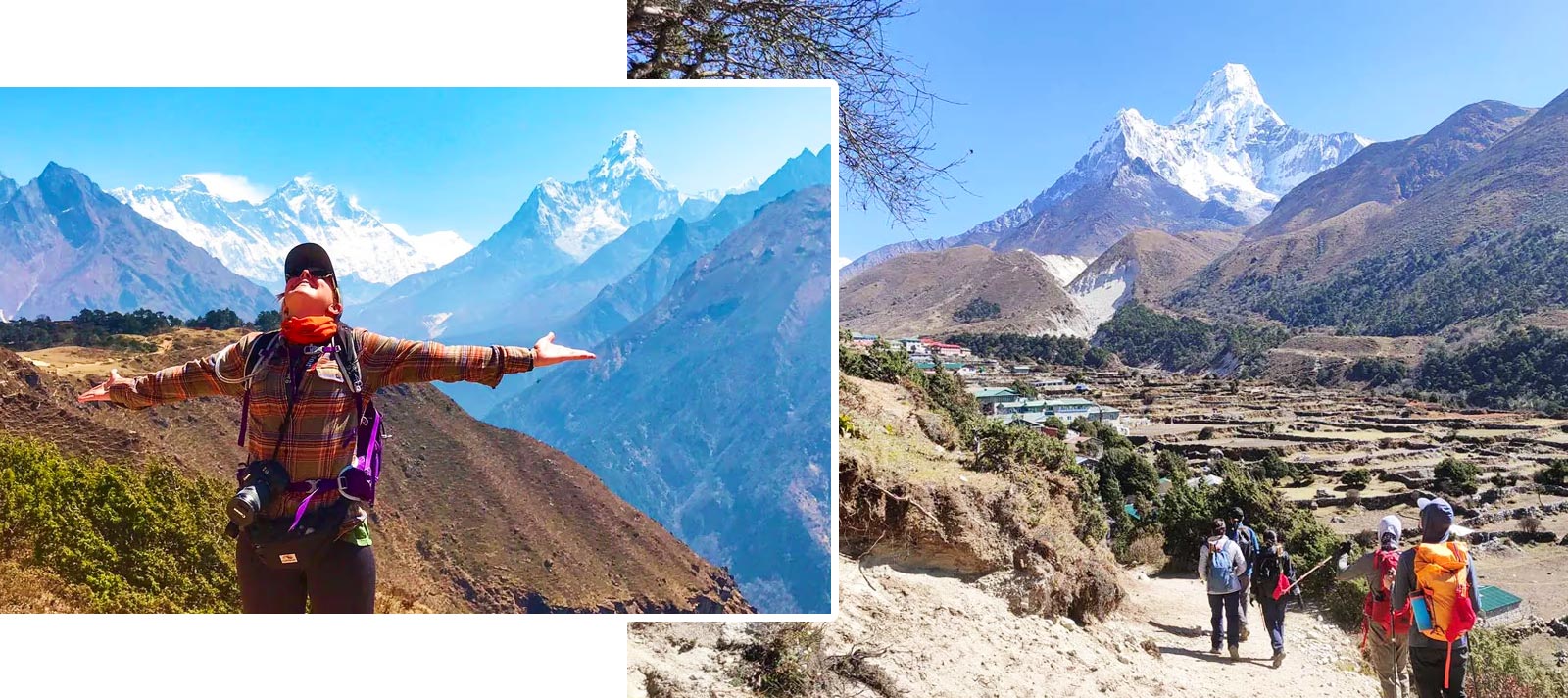
Clear skies for mountain views of Everest, Lhotse, and Makalu.
-
Comfortable daytime trekking temperatures.
-
Reduced risk of flight delays to Lukla due to weather.
-
Safer crossing of high-altitude passes.
-
More enjoyable experiences around the Gokyo Lakes and villages.
Best Seasons to Trek Everest Base Camp via Gokyo Lakes
Spring (March to May) – Colorful and Lively
Spring is considered one of the best times to trek Everest Base Camp via Gokyo Lakes. The weather is stable, temperatures are moderate, and the trail is alive with blooming rhododendrons and clear skies.
-
Temperature: 5°C to 15°C in lower regions; colder near passes.
-
Highlights: Rhododendron blooms, crystal-clear views, good conditions for Cho La Pass.
-
Drawbacks: Popular season, meaning more trekkers on the trail and busier teahouses.
This season is perfect for photographers and trekkers who want vibrant landscapes and reliable weather conditions.
Autumn (September to November) – Clear and Classic
Autumn rivals spring as the most popular trekking season. After the summer monsoon, the air is fresh, skies are crystal clear, and visibility is at its peak.
-
Temperature: 0°C to 12°C, with colder nights in higher altitudes.
-
Highlights: Stunning mountain panoramas, festive atmosphere in villages, stable weather.
-
Drawbacks: High traffic on the trail; early booking is recommended for accommodations.
Autumn is ideal for those who prioritize clear mountain views and stable conditions for high passes like Cho La.
Winter (December to February) – Quiet but Challenging
Winter brings snow and icy conditions to the Everest region. While the trail is far less crowded and views can be spectacular, this season is recommended only for experienced trekkers.
-
Temperature: -15°C to 5°C at higher altitudes.
-
Highlights: Solitude, peaceful trails, fewer trekkers in villages.
-
Drawbacks: Heavy snow may block Cho La Pass and make Gokyo inaccessible.
If you are prepared for extreme cold and want a crowd-free experience, winter can be rewarding—but it requires proper gear and flexibility.
Summer/Monsoon (June to August) – Wet and Unpredictable
Summer coincides with Nepal’s monsoon season. Trails can be slippery, flights often delayed, and mountain views obscured by clouds.
-
Temperature: 5°C to 20°C depending on altitude.
-
Highlights: Lush landscapes, fewer trekkers.
-
Drawbacks: Risk of landslides, leeches, muddy trails, poor visibility.
While summer is not the best choice for the Gokyo route, it can appeal to trekkers seeking solitude and greenery.
Choosing the Best Time for You
The best time to trek Everest Base Camp via Gokyo Lakes depends on your priorities:
-
For clear skies and great mountain views: Choose Autumn (Sept–Nov).
-
For colorful landscapes and mild weather: Go for Spring (Mar–May).
-
For quiet trails: Consider Winter (Dec–Feb), but be prepared for extreme cold.
-
For solitude and greenery: Trek in Summer (Jun–Aug), knowing weather may be unpredictable.
Both spring and autumn are the most reliable choices for most trekkers, ensuring a balance of comfort, safety, and scenery.
Local Insights and Tips
-
High Pass Crossings: The Cho La Pass is often snow-covered in winter and early spring. Always consult local guides before attempting.
-
Lukla Flights: Weather in spring and autumn is more stable, reducing flight cancellations. In monsoon, delays are frequent.
-
Acclimatization: Regardless of the season, altitude acclimatization is essential. Consider including acclimatization stops in Namche Bazaar and Gokyo.
-
Book Early: In peak seasons, book flights and teahouses in advance to secure availability.
Conclusion
Trekking to Everest Base Camp via Gokyo Lakes is a once-in-a-lifetime adventure, but timing makes all the difference. Spring and autumn remain the best seasons for most trekkers, offering clear skies, manageable temperatures, and safe trail conditions. Winter provides solitude for those well-prepared, while summer suits those who don’t mind unpredictable weather.
To start planning your adventure, explore our full package here: Everest Base Camp via Gokyo Lakes Trek. For more information on trekking in Nepal, you can also visit our Trekking in Nepal section.
If you need personalized advice, feel free to talk to our experts or contact us. Our team at Sole Encounters Trekking is here to help you choose the perfect season and prepare for an unforgettable Himalayan journey.
Recent Posts
.jpg)
3rd Jul, 2025
.jpg)
4th Jul, 2025
.jpg)
4th Jul, 2025
.jpg)
7th Jul, 2025
.jpg)
8th Jul, 2025
.jpg)
8th Jul, 2025
.jpg)
8th Jul, 2025

10th Jul, 2025