Cultural Etiquette for Trekkers in Nepal
- soleencounters
Nepal is not only home to breathtaking trekking routes like the Everest Base Camp Trek and Annapurna Circuit Trek, but also a country rich in culture, traditions, and warm hospitality. As a trekker, understanding cultural etiquette in Nepal ensures that you respect local customs while enjoying an authentic experience. This guide highlights the essential dos and don’ts for trekkers to follow when exploring the Himalayas.
Table of Contents
Why Cultural Etiquette Matters
Trekking in Nepal often involves visiting remote villages, monasteries, and sacred sites. Respecting local traditions strengthens your connection with the communities you meet and promotes responsible tourism. It also helps preserve Nepal’s cultural heritage for future travelers.
Key Cultural Dos for Trekkers in Nepal
1. Greet People Respectfully
Use the traditional greeting “Namaste”, performed with palms pressed together at chest level. It’s a sign of respect and friendliness.
2. Dress Modestly
While trekking gear is acceptable on trails, dress conservatively in villages and monasteries. Avoid revealing clothing, especially in rural or religious areas.
3. Respect Religious Sites
-
Walk clockwise around stupas and mani walls.
-
Remove shoes before entering temples or monasteries.
-
Seek permission before taking photos inside sacred places.
4. Support Local Communities
Choose locally owned teahouses, buy handicrafts directly from artisans, and engage with locals respectfully. This supports the local economy and enriches your experience.
5. Learn Basic Nepali Phrases
Simple words like “Dhanyabad” (Thank you) or “Namaste” (Hello) show your willingness to connect with locals.
Important Don’ts for Trekkers
1. Avoid Public Displays of Affection
Holding hands is fine, but kissing or hugging in public may be considered disrespectful.
2. Don’t Touch Heads
In Nepali culture, the head is considered sacred. Avoid patting children or adults on the head.
3. Don’t Point Your Feet at People or Sacred Objects
Feet are considered impure. Sit cross-legged when possible, especially in temples.
4. Avoid Wasting Food
Food is valuable in remote trekking areas. Order what you can finish, and avoid leaving leftovers.
5. Don’t Bargain Excessively
While bargaining is common in markets, be fair. Local craftspeople rely on their earnings, and excessive haggling can be disrespectful.
Cultural Etiquette on Popular Trekking Routes
Everest Region
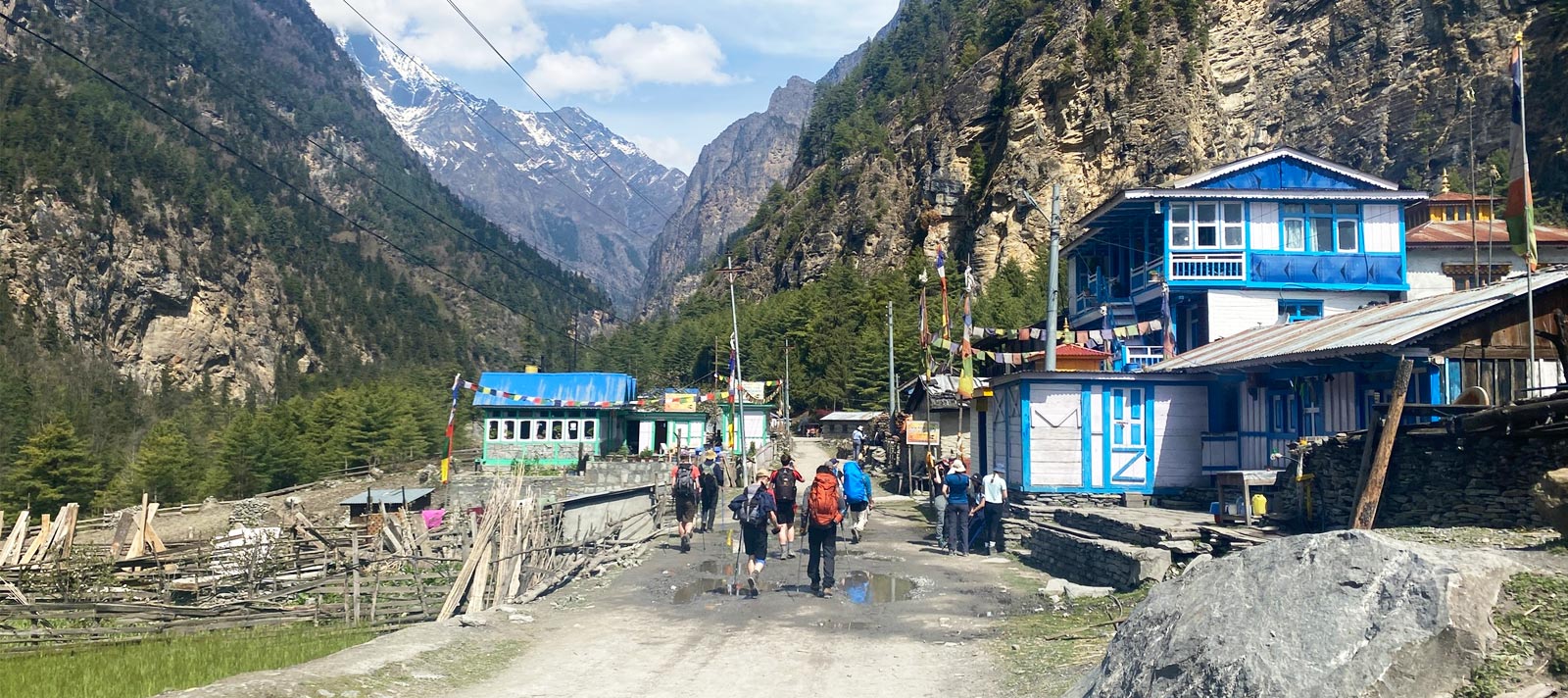
Villages along the Everest Base Camp route are home to the Sherpa community, known for their Buddhist traditions. Respect monasteries, prayer flags, and stupas along the trail.
Annapurna Region
The Annapurna Circuit passes through diverse communities, including Gurung and Thakali villages. Each has unique customs, so follow your guide’s advice on cultural practices.
Manaslu and Restricted Areas
Remote areas like the Manaslu Circuit Trek have preserved traditions. Always seek permission before photographing people or private property.
Tips for Respectful Trekking
-
Ask before taking photos of locals.
-
Avoid giving candy or money to children; donate to local schools instead.
-
Follow Leave No Trace principles to protect nature and heritage.
Benefits of Respecting Local Culture
When trekkers follow cultural etiquette, they:
-
Build meaningful connections with locals.
-
Experience authentic Nepali hospitality.
-
Promote sustainable tourism in Nepal’s remote regions.
Plan Your Culturally Respectful Trek
To explore the Himalayas responsibly, visit our Trekking in Nepal page. Our experienced guides not only lead treks but also help you understand local customs and traditions.
For personalized trekking advice, talk to our experts or reach out via our Contact Us page.
Conclusion
Understanding cultural etiquette for trekkers in Nepal ensures that your adventure is not only enjoyable but also respectful and meaningful. By following simple dos and don’ts, you contribute to responsible tourism while creating lasting memories of Nepal’s culture and hospitality.
Start planning your trek today and immerse yourself in the beauty of Nepal—its landscapes and traditions alike.
Recent Posts
.jpg)
3rd Jul, 2025
.jpg)
4th Jul, 2025
.jpg)
4th Jul, 2025
.jpg)
7th Jul, 2025
.jpg)
8th Jul, 2025
.jpg)
8th Jul, 2025
.jpg)
8th Jul, 2025

10th Jul, 2025