Ghorepani Poon Hill Trek Cost
- soleencounters
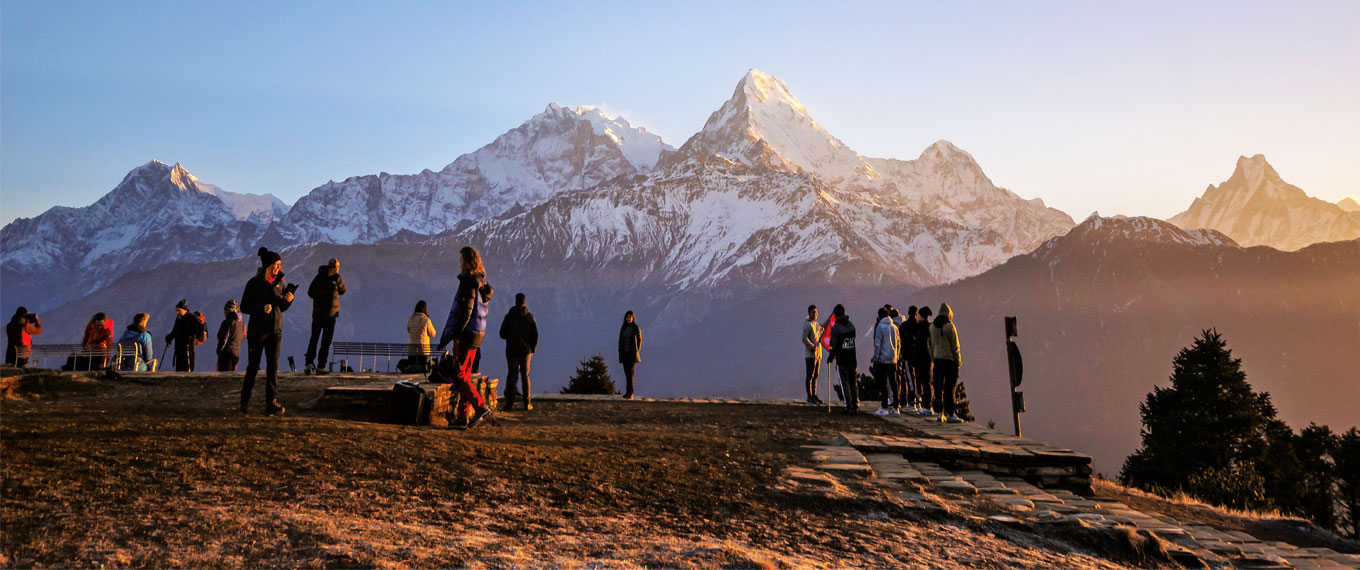
The Ghorepani Poon Hill Trek is one of Nepal’s most popular short treks, known for its stunning sunrise views over the Annapurna and Dhaulagiri ranges, charming Gurung and Magar villages, and well maintained mountain trails. This trek is ideal for beginners, families, and travelers who want a rewarding Himalayan experience without committing to a long and difficult expedition.
Table of Contents
Before starting your journey, it is important to clearly understand the Ghorepani Poon Hill Trek cost. Knowing the total expenses in advance helps you plan your budget wisely, avoid unexpected costs on the trail, and choose the trekking style that suits your comfort and travel goals. Whether you plan to trek independently or with a guide, having a clear cost breakdown makes the experience smoother and more enjoyable.
On average, the total cost of the Ghorepani Poon Hill Trek ranges from USD 500 to USD 800 per person. The final amount depends on factors such as trek duration, guide and porter services, food and accommodation choices, and daily personal expenses during the trek.
In this guide, you will find a detailed and easy to understand breakdown of all major expenses, including trekking permits, guide and porter costs, food and accommodation prices, transportation, and additional or hidden costs like hot showers, charging facilities, and drinking water. By the end, you will have a clear idea of how much to budget for your trek and how to manage your expenses efficiently.
Average Cost of Ghorepani Poon Hill Trek
For most trekkers, the Ghorepani Poon Hill Trek cost generally falls within a moderate and affordable range compared to other Himalayan treks in Nepal. On average, trekkers can expect to spend between USD 500 and USD 800 per person for a complete trek, covering permits, food, accommodation, transportation, and basic trekking support.
The total cost can vary depending on several key factors. Trek duration plays an important role, as longer itineraries naturally increase daily expenses for food, lodging, and guide services. A shorter 3 to 4 day trek will cost less than a relaxed 5 to 6 day itinerary that includes extra acclimatization or side hikes.
Another major factor is whether you choose a guided or independent trek. Trekking independently can reduce costs, but hiring a guide adds safety, local knowledge, and convenience. Adding a porter further increases the budget but greatly reduces physical strain and supports the local economy.
Your comfort level and personal spending habits also influence the final cost. Trekkers who stick to basic tea houses, local meals, and minimal extras will spend less, while those who prefer private rooms, frequent hot showers, snacks, and charging facilities should budget more.
To give you a clearer idea, here is a simple cost snapshot based on trekking style:
- Budget Trek: Ideal for independent trekkers using basic tea houses, local transport, and minimal extras.
- Standard Trek: Includes a licensed guide, shared porter, standard meals, and moderate comfort.
- Comfort Trek: Features a guide and porter, better accommodation where available, private transport, and higher daily spending.
This flexible cost structure makes the Ghorepani Poon Hill Trek suitable for a wide range of budgets, allowing trekkers to plan their trip according to time, comfort, and overall travel preferences.
Permit Costs for Ghorepani Poon Hill Trek
Permit fees are a mandatory part of the Ghorepani Poon Hill Trek cost and should be arranged before starting the trek. These permits help support conservation efforts, maintain trekking trails, and ensure the safety of trekkers in the Annapurna region.
Annapurna Conservation Area Permit (ACAP)
The Annapurna Conservation Area Permit (ACAP) is required for all trekkers entering the Annapurna region.
-
Cost: NPR 3,000 per person
-
Why ACAP is required:
The fee contributes to environmental conservation, wildlife protection, trail maintenance, and community development projects within the Annapurna Conservation Area. It also helps regulate tourism and preserve the natural and cultural heritage of the region. -
Where and how to obtain it:
ACAP permits can be obtained at the Nepal Tourism Board offices in Kathmandu or Pokhara. Most trekking agencies include this permit in their package, making the process hassle free for guided trekkers.
TIMS Card Cost
The Trekkers’ Information Management System (TIMS) card is another essential permit for the Ghorepani Poon Hill Trek.
-
Cost: NPR 2,000 per person
-
Purpose of TIMS:
The TIMS card helps authorities track trekkers, improve safety, and provide assistance in case of emergencies. It also supports better management of trekking tourism in Nepal. -
Independent vs agency issued TIMS:
Independent trekkers must obtain the TIMS card themselves from the Nepal Tourism Board. For those trekking with a registered agency, the TIMS card is issued through the agency and is usually included in the overall trekking package.
Together, the ACAP and TIMS permits are essential and fixed expenses, so they should always be included when calculating your total trekking budget.
Guide and Porter Cost Breakdown
Guide and porter services make up an important part of the Ghorepani Poon Hill Trek cost, especially for trekkers who prefer extra support, safety, and comfort on the trail. While it is possible to trek independently, hiring local staff greatly enhances the overall trekking experience.
Cost of Hiring a Trekking Guide
The cost of hiring a licensed trekking guide for the Ghorepani Poon Hill Trek generally ranges between USD 20 to 30 per day.
The daily rate can vary depending on:
-
Experience: Highly experienced guides with years of trekking and emergency handling skills usually charge more.
-
Language skills: Guides who speak fluent English or additional foreign languages may have slightly higher rates.
There are several benefits to hiring a guide:
-
Safety: Guides are trained in route finding, altitude awareness, and basic first aid, which is especially helpful for first time trekkers.
-
Local knowledge: A guide provides insight into local culture, villages, traditions, and the natural surroundings along the trail.
-
Easy logistics: Guides manage accommodation, meals, daily distances, and permits, allowing you to focus fully on enjoying the trek.
Cost of Hiring a Porter
For trekkers who want to walk comfortably without carrying a heavy backpack, hiring a porter is a practical option.
-
Average porter cost: Around USD 70 per person for the entire trek
-
Weight limits and sharing a porter:
A porter usually carries up to 20 to 25 kg. Two trekkers can share one porter, which helps reduce individual costs while staying within safe weight limits.
Hiring a porter not only makes the trek physically easier but also supports the local economy. It provides employment opportunities for people from mountain communities and helps ensure that tourism benefits local families directly.
Food and Accommodation Cost on the Trek
Food and accommodation are daily expenses that significantly influence the Ghorepani Poon Hill Trek cost. The trek is well developed, with plenty of tea houses along the route, making it comfortable and budget friendly for most trekkers.
Accommodation Cost (Tea Houses)
Accommodation during the trek is mainly in local tea houses. These are simple mountain lodges run by local families and are designed to provide basic comfort rather than luxury.
Type of accommodation available:
Tea houses usually offer twin sharing rooms with two single beds, a mattress, blanket, and pillow. Bathrooms are often shared, especially at higher elevations.
Cost included in daily estimate:
Room costs are generally low and often bundled with meal expenses, as tea houses expect trekkers to eat where they stay.
What basic rooms look like:
Rooms are clean but simple, with wooden interiors and minimal furniture. Heating is usually available only in the dining area, not in individual rooms.
Daily Food Cost
Food on the Ghorepani Poon Hill Trek is freshly prepared and provides the energy needed for long walking days.
Meals available on the trek:
Common options include dal bhat, noodles, fried rice, pasta, soups, eggs, potatoes, and seasonal vegetables.
Average daily cost for food and lodging:
Trekkers typically spend around USD 25 to 30 per day, which includes breakfast, lunch, dinner, and a basic tea house room.
Typical meal prices:
-
Dal bhat: Affordable, filling, and often comes with free refills
-
Noodles: A popular and reasonably priced option
-
Tea and snacks: Prices increase slightly with altitude but remain manageable
Transportation Cost to and from the Trek
Transportation is an important part of the overall Ghorepani Poon Hill Trek cost, especially for getting to and from the trailheads. Most trekkers travel from Pokhara to Nayapul or Ulleri, depending on their itinerary and starting point.
Below is an average cost breakdown to help you plan your budget more accurately.
-
Local bus (Pokhara to Nayapul):
Approximate cost: USD 3 to 5 per person
This is the cheapest option and is widely used by budget and independent trekkers. The journey takes longer and can be crowded, but it keeps transportation expenses low. -
Shared jeep (Pokhara to Nayapul or Ulleri):
Approximate cost: USD 8 to 12 per person
Shared jeeps are faster and more comfortable than local buses. They are a popular middle ground between cost and convenience and can often reach Ulleri if road conditions allow. -
Private vehicle (car or jeep):
Approximate cost: USD 80 to 120 per vehicle
This option offers the most comfort and flexibility. It is ideal for groups, as the cost can be divided among passengers, making it more economical per person.
For the return journey back to Pokhara, transportation costs are generally the same as the outbound trip. Most trekkers choose the same mode of transport unless their schedule or comfort needs change.
Additional and Hidden Costs on Ghorepani Poon Hill Trek
In addition to the main expenses, there are several small but important extras that can affect the total Ghorepani Poon Hill Trek cost. These daily charges may seem minor individually, but they can add up over the course of the trek if not planned for in advance.
Hot Shower Cost
Hot showers are available at most tea houses along the route, especially at lower and mid elevations.
-
Cost per shower: Usually USD 1 to 4, depending on location and water heating method
-
Availability at higher altitudes:
As you gain altitude, hot showers may be limited or more expensive due to scarce water and heating resources. In some places, solar heated showers are common and depend on weather conditions.
Electricity and Charging Cost
Keeping your devices charged on the trek usually comes at an extra cost.
-
Charging phones and cameras:
Tea houses charge separately for charging electronic devices, as electricity is often generated by solar power. -
Cost: Around USD 1 to 2 per device
Prices may increase at higher elevations, especially for power hungry devices like cameras and power banks.
Drinking Water Cost
Staying hydrated is essential while trekking, and drinking water is an ongoing expense.
-
Bottled water price: Approximately USD 1 per liter at lower elevations
-
Cost increases with altitude:
Prices rise as bottled water is carried higher up the trail, making it more expensive in remote areas.
Tips to reduce water expenses:
-
Carry water purification tablets or a portable filter
-
Use a reusable water bottle and refill from safe water sources provided by tea houses
Total Cost Comparison: Guided vs Independent Trek
Choosing between a guided or independent trek has a direct impact on the overall Ghorepani Poon Hill Trek cost. Each option offers a different balance of budget, comfort, safety, and convenience, so understanding the differences helps you select the best trekking style for your needs.
Below is a general cost comparison based on common trekking choices:
-
Independent Trek:
This is the most budget friendly option. Costs mainly include permits, food, accommodation, transportation, and personal expenses. It suits experienced trekkers who are confident navigating trails and managing logistics on their own. -
Trek with Guide:
Hiring a guide increases the total cost but adds safety, local insight, and stress free planning. This option is ideal for trekkers who want support while still keeping costs moderate. -
Trek with Guide and Porter:
This option is the most comfortable. In addition to guidance, a porter carries your main luggage, allowing you to walk with a light daypack. It is slightly more expensive but significantly improves comfort and enjoyment.
Pros and cons of each option:
-
Independent trek
Pros: Lower cost, flexible schedule, full independence
Cons: Requires good navigation skills, less support in emergencies -
Trek with guide
Pros: Increased safety, cultural insights, easier logistics
Cons: Higher cost than independent trekking -
Trek with guide and porter
Pros: Maximum comfort, less physical strain, supports local jobs
Cons: Highest overall cost
Best option for first time trekkers:
For first time trekkers in Nepal, a trek with a guide, or with both a guide and porter, is generally the best choice. The added support, safety, and local knowledge make the experience smoother and more enjoyable, while the increase in cost remains reasonable compared to the overall value of the trek.
Budget Saving Tips for Ghorepani Poon Hill Trek
While the Ghorepani Poon Hill Trek cost is generally moderate, there are several practical ways to save money without compromising your trekking experience. Implementing these tips can help you stay within budget and still enjoy the stunning scenery and culture along the trail.
Travel in Shoulder Season
Visiting during the shoulder seasons (late spring or early autumn) can reduce costs for accommodation and transportation. Tea houses are less crowded, and some service providers may offer discounts compared to peak season rates.
Share a Guide or Porter
If you are trekking with friends or in a small group, consider sharing a guide or porter. This reduces individual expenses while still providing the benefits of professional support.
Avoid Bottled Water
Bottled water prices increase with altitude, adding to daily expenses. Instead, carry a reusable water bottle and use water purification tablets or a portable filter. This is both cost effective and environmentally friendly.
Eat Local Meals
Stick to local meals like dal bhat, noodles, and soups, which are affordable and filling. Avoid imported snacks and beverages that are often marked up at tea houses.
Book a Package vs Paying Daily
Booking a trekking package through a registered agency can sometimes be cheaper than paying for guides, porters, and permits individually. Packages also reduce logistical hassles and may include additional perks like transportation and meals.
Is Ghorepani Poon Hill Trek Worth the Cost?
When evaluating the Ghorepani Poon Hill Trek cost, it’s important to consider the overall value and experience you get in return. This trek offers a perfect combination of natural beauty, cultural exposure, and accessibility, making it a highly rewarding option for trekkers of all kinds.
-
Value for money compared to other treks in Nepal:
Compared to longer or more challenging treks in the Annapurna region, such as the Annapurna Base Camp trek, Ghorepani Poon Hill offers a similar Himalayan experience at a fraction of the cost. The trek is shorter, requires less equipment, and has lower daily expenses, making it highly cost-effective. -
Scenic views and cultural experience:
Trekkers are treated to breathtaking sunrise views over the Annapurna and Dhaulagiri ranges from Poon Hill. Along the way, charming Gurung and Magar villages provide a glimpse into local traditions, customs, and hospitality, adding significant cultural value to the trek. -
Suitable for beginners and budget trekkers:
The trek’s moderate trails, manageable altitude, and range of accommodation options make it perfect for first-time trekkers and those on a budget. Even with a modest budget, trekkers can enjoy the full experience without missing key highlights. -
Why it remains one of Nepal’s most popular treks:
Its combination of natural beauty, accessibility, short duration, and affordability ensures Ghorepani Poon Hill remains a top choice for trekkers worldwide. The trek delivers a Himalayan adventure that feels rich and fulfilling without requiring excessive time or money.
Overall, the Ghorepani Poon Hill Trek is absolutely worth the cost, offering a memorable and rewarding experience that balances affordability with stunning landscapes and cultural encounters.
Sample Cost Breakdown for a 4 to 5 Day Trek
To help plan your Ghorepani Poon Hill Trek cost, here’s a practical example of expenses for a typical 4 to 5 day itinerary. This breakdown includes permits, guides, porters, food, accommodation, transportation, and additional costs.
| Expense Category | Cost (Approx.) |
|---|---|
| Permits (ACAP + TIMS) | USD 45 (NPR 5,000) |
| Guide (USD 25/day × 5 days) | USD 125 |
| Porter (for shared luggage, one person) | USD 70 |
| Food & Accommodation (USD 25/day × 5 days) | USD 125 |
| Transportation (Pokhara ↔ Nayapul/Ulleri) | USD 8–12 per person (local/shared jeep) |
| Extras (hot shower, charging, bottled water) | USD 10–15 |
| Estimated Total Cost | USD 383–392 (budget independent trek) |
Notes:
-
Costs increase if you hire both a guide and a porter individually, or choose private transportation.
-
Daily food and accommodation costs may vary slightly depending on tea house location and altitude.
-
Additional personal expenses like souvenirs, snacks, or extra services are not included.
This example shows that even with modest spending, a 4 to 5 day Ghorepani Poon Hill Trek is affordable and well within the typical USD 500–800 range. Planning ahead ensures you can budget accurately and enjoy the trek without unexpected expenses.
Final Thoughts on Ghorepani Poon Hill Trek Cost
Planning your Ghorepani Poon Hill Trek cost in advance ensures a smooth and enjoyable trekking experience. On average, trekkers can expect to spend between USD 500 and USD 800 per person for a 4 to 5 day trek, depending on choices like guides, porters, accommodation, and personal spending.
One of the great advantages of this trek is its flexibility. Whether you are a budget-conscious independent trekker or prefer a guided experience with a porter, the trek can be tailored to fit your preferences and financial plan. By understanding costs upfront, you can avoid surprises and make informed decisions about transportation, permits, food, and extras.
The Ghorepani Poon Hill Trek remains affordable yet highly rewarding, offering breathtaking Himalayan views, cultural encounters in Gurung and Magar villages, and an experience suitable for beginners. Proper planning allows you to enjoy all these highlights without overspending.
Complete Ghorepani Poon Hill Trek Guide – For detailed trek information and preparation tips.
Trek Package Page – Check out available guided and all-inclusive trekking packages.
Recent Posts
.jpg)
3rd Jul, 2025
.jpg)
4th Jul, 2025
.jpg)
4th Jul, 2025
.jpg)
7th Jul, 2025
.jpg)
8th Jul, 2025
.jpg)
8th Jul, 2025
.jpg)
8th Jul, 2025

10th Jul, 2025