Ghorepani Poon Hill Trek Difficulty Guide
- soleencounters
Introduction
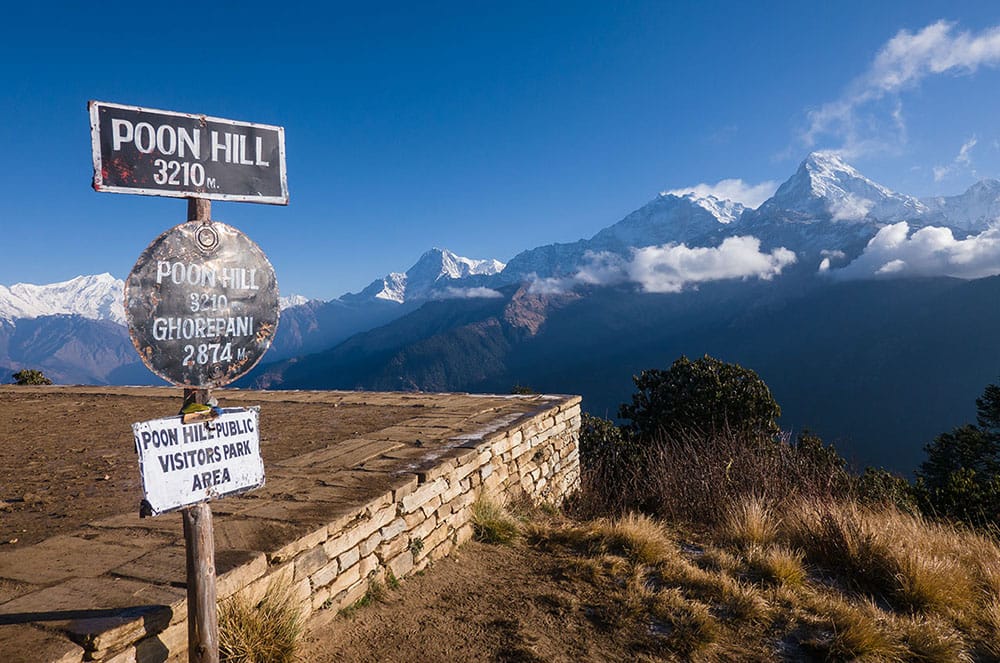
The Ghorepani Poon Hill trek is one of the most popular short treks in Nepal. Known for its panoramic sunrise views over the Annapurna and Dhaulagiri ranges, this route combines scenic beauty, cultural experiences and comfortable teahouse accommodation in just a few days. It is often considered the perfect introduction to trekking in the Himalayas.
Table of Contents
A common question from travelers is how difficult the Ghorepani Poon Hill trek really is. Although it is one of the easier treks in the Annapurna region, parts of the trail include steep stone steps, steady uphill climbs and long walking days. Understanding the trail conditions, altitude level and required fitness can help you prepare in the right way.
This guide is designed for anyone wondering whether this trek is suitable for them. Whether you are a beginner hiker, a moderately experienced trekker, a family with children or a senior traveler looking for a manageable Himalayan adventure, this article will give you a clear idea of the difficulty level and how to prepare confidently.
Quick Answer: How Difficult Is the Ghorepani Poon Hill Trek
The Ghorepani Poon Hill trek difficulty is generally rated as easy to moderate, which makes it one of the most accessible trekking routes in Nepal. The trek involves 3 to 5 walking days, a maximum altitude of 3,210 meters at Poon Hill and well maintained trails through villages and forested paths. So, is Poon Hill trek difficult? It can feel challenging on the steeper sections, especially the stone steps to Ulleri, but overall the Poon Hill difficulty level is manageable for most reasonably fit people.
Key points:
- Total duration is 3 to 5 days depending on your itinerary
- Maximum altitude is 3,210 meters with minimal risk of altitude sickness
- Well defined trails with some steep stone staircases
- Suitable for beginners, families and trekkers with moderate fitness
- No technical climbing or advanced skills required
Ghorepani Poon Hill Trek Overview
The Ghorepani Poon Hill trek is a short and scenic route in the Annapurna region that offers some of the best panoramic mountain views in Nepal. This Ghorepani Poon Hill trek overview highlights the essential details you need to understand before beginning your journey.
Route Summary
The trek usually starts from Nayapul or Hile and leads through charming Gurung and Magar villages such as Tikhedhunga, Ulleri and Ghorepani. The highlight of the route is the early morning hike to Poon Hill for the sunrise view over Annapurna, Dhaulagiri, Machhapuchhre and other Himalayan peaks.
Total Distance
The full route covers an average of 30 to 40 kilometers depending on your chosen starting and ending points.
Maximum Altitude
The highest point of the trek is Poon Hill at 3,210 meters, a safe and beginner friendly altitude with very low risk of altitude sickness.
Trek Duration
The standard trek takes 3 to 5 days, making it one of the shortest and most flexible trekking itineraries in Nepal.
Typical Poon Hill Trek Itinerary
A common Poon Hill trek itinerary looks like this:
- Day 1: Drive to Nayapul and trek to Tikhedhunga or Ulleri
- Day 2: Trek to Ghorepani
- Day 3: Sunrise hike to Poon Hill then trek to Tadapani
- Day 4: Trek to Ghandruk and return to Pokhara
(Shorter or longer variations are common.)
Who This Trek Is Best Suited For
This trek is ideal for:
- Beginners looking for their first Himalayan trek
- Travelers with limited time
- Families with children
- Seniors with moderate walking fitness
- Anyone who wants a rewarding trek without high altitude risk
How Hard Is the Ghorepani Poon Hill Trek? Detailed Breakdown
Understanding the specific factors that influence Ghorepani trek difficulty helps you know exactly what to expect. The trek is considered easy to moderate, yet certain parts can feel more demanding due to trail type, walking hours and weather conditions. Below is a clear breakdown of each element that affects the overall difficulty.
Trail Conditions
Stair Sections
One of the most challenging parts of the Poon Hill route is the long stone staircase from Tikhedhunga to Ulleri. These steps are famous among trekkers and significantly add to the Poon Hill steps difficulty. The climb is steady and requires good pacing, especially for beginners.
Forest Trails
Much of the trek passes through beautiful rhododendron forests with well maintained paths. These sections are generally easy to moderate and provide comfortable walking conditions.
Uphill Climbs
The route includes consistent uphill climbs, especially on the way to Ulleri and Ghorepani. These ascents can be tiring but do not require technical skills.
Downhill Impact on Knees
The descent from Ghorepani or Tadapani to Ghandruk involves a long downhill walk. While easier on the lungs, it can be tough on the knees. Trekking poles help significantly.
Daily Walking Hours
Most trekkers walk 4 to 7 hours per day depending on pace and itinerary. Poon Hill trekking hours are shorter than many other Nepal treks, making this route accessible for a wide range of trekkers.
- Easiest walking days: Ghorepani to Tadapani, or Ghandruk to the road point
- Hardest day: The ascent to Ulleri, due to the steep staircase and elevation gain
Overall, the daily walking time is manageable with breaks and steady pacing.
Altitude Difficulty
Highest Point
The maximum altitude of the trek is 3,210 meters at Poon Hill, which is considered a safe elevation.
Risk of Altitude Sickness
At this height, the risk of acute altitude sickness is very low. Most trekkers experience no altitude related symptoms at all.
Why Altitude Issues Are Minimal
Altitude issues are rare because the trek ascends gradually, the sleeping points are lower than the viewpoint and the overall elevation stays below the higher risk zone of 3,500 meters.
Weather Impact on Difficulty
Best Trekking Seasons
Autumn and spring offer clear skies, moderate temperatures and the most stable weather. These months make the trek easier and more enjoyable.
Seasonal Challenges
- Winter: Snow and icy patches can make the trail slippery near Ghorepani
- Monsoon: Rain, leeches and muddy trails increase difficulty
- Hot seasons: Warm temperatures during the climb to Ulleri can make the ascent feel harder
- Foggy days: Reduced visibility during winter or monsoon can affect the Poon Hill sunrise view
Weather can noticeably influence Ghorepani trek difficulty, so choosing the right season helps reduce challenges.
Altitude and Acclimatization Guide
Altitude is one of the biggest concerns for many first time trekkers in Nepal. Fortunately, the Poon Hill altitude is well within the safe range, which makes this trek ideal for beginners and families. Still, it helps to understand basic acclimatization practices to stay safe and comfortable.
Why Poon Hill Altitude Is Safe
The highest point of the trek is Poon Hill at 3,210 meters. This elevation is considered low risk for altitude related problems because:
- The ascent is gradual and spread across several days
- Sleeping elevations are lower than the viewpoint
- Most people adjust naturally without special acclimatization days
This is why Poon Hill altitude sickness cases are extremely rare compared to higher elevation treks like Annapurna Base Camp or Everest Base Camp.
Symptoms to Watch For
Even though the risk is low, it is still important to be aware of mild altitude symptoms such as:
- Light headache
- Slight dizziness
- Tiredness or shortness of breath
- Loss of appetite
If symptoms worsen or do not improve with rest, descending to a lower elevation is the safest option. Severe altitude sickness is almost unheard of on this route but being informed is essential.
Hydration and Pacing Tips
Following basic Ghorepani altitude tips can make your trek even more comfortable:
- Drink 2 to 3 liters of water per day
- Take short breaks on uphill sections
- Walk at a steady, comfortable pace
- Avoid rushing during the Ulleri climb
- Eat light but frequent meals to maintain energy
Good hydration and pacing are the most effective ways to prevent altitude discomfort.
Comparison With Other Nepal Treks
Compared to treks like Everest Base Camp (5,364 meters), Annapurna Circuit (5,416 meters) or Mardi Himal (4,500 meters), the Poon Hill route sits far below the high altitude zone. This is one of the key reasons why it is considered one of the safest and easiest treks in Nepal when it comes to altitude.
Fitness Level Required for the Poon Hill Trek
The Poon Hill trek fitness requirement is manageable for most people, including those with limited trekking experience. Although the trail includes uphill climbs and long stair sections, you do not need to be an athlete to complete it. With basic preparation and steady pacing, beginners, families and seniors can enjoy the trek comfortably.
Minimum Fitness Requirements
For Beginners
Poon Hill trek for beginners is very realistic if you can walk for 4 to 6 hours a day with short breaks. A moderate fitness level is enough as long as you prepare with basic walking and stair climbing.
For Families
Families with children aged 7 and above can complete the trek easily. Kids often adapt well to the trail as long as daily walking is kept at a comfortable pace.
For Seniors
Many seniors successfully complete this trek with proper preparation. Good balance, moderate leg strength and a steady pace are key for managing steps and uphill sections.
Recommended Training Plan (2 to 4 Weeks)
If you are wondering how to train for Ghorepani trek, this simple training plan helps build stamina and leg strength without needing gym equipment.
Walking Routine
- Walk 4 to 5 days per week
- Begin with 30 to 45 minutes per session
- Increase to 60 to 90 minutes as your stamina improves
Stair Training
This is the most important part of your training because of the Ulleri staircase.
- Practice climbing stairs for 10 to 20 minutes
- Gradually increase speed and repetitions
- Use a backpack with light weight as your strength improves
Strength and Cardio Exercises
- Squats, lunges and step ups for leg strength
- Light jogging or cycling for cardio
- Core exercises like planks to improve balance on uneven trails
A consistent two to four week routine makes a noticeable difference on the trail.
Who Might Find It Difficult
People With Knee Issues
The downhill sections can be challenging for those with knee pain. Trekking poles and light stretching help reduce strain.
Complete Beginners Without Training
Although the trek is beginner friendly, those who are not used to walking regularly may find the first two days tiring.
Those Carrying Heavy Bags
A heavy backpack increases fatigue, especially on uphill sections. Hiring a porter or packing light is highly recommended.
How to Prepare for the Ghorepani Poon Hill Trek
Good preparation helps make your trek smoother, safer and more enjoyable. From packing the right gear to arranging Ghorepani permits, here is everything you need to know before starting the journey.
Packing List Essentials
A complete Poon Hill packing list does not need to be complicated. Focus on comfort, warmth and essential safety items.
Shoes
- Comfortable trekking shoes with good grip
- Well broken in to avoid blisters
- Light trail shoes are acceptable for experienced hikers
Clothing
- Quick drying t shirts
- Warm mid layer such as fleece
- Down jacket for mornings at Poon Hill
- Trekking pants
- Rain jacket depending on the season
- Hat and gloves in colder months
First Aid
- Band aids
- Pain relief tablets
- Blister patches
- Basic antiseptic wipes
Water Purification
- Water purification tablets or a filter bottle
- Staying hydrated is essential and purified water reduces plastic waste
Trekking Poles
Useful for stair sections and downhill stretches. They reduce knee strain and improve balance.
Permits and Logistics
Before you start, you need two Ghorepani permits:
TIMS (Trekkers Information Management System)
Required for all trekkers to ensure safety and trekking record management.
ACAP Permit (Annapurna Conservation Area Permit)
Allows entry into the Annapurna region.
Where to Get Them
Both permits can be obtained in Pokhara at the Nepal Tourism Board office. Bring a passport copy and passport sized photos. You can also get them in Kathmandu if you prefer arranging things earlier.
Hiring a Guide or Porter
Hiring support is optional but can make a big difference in comfort and safety.
Pros of Hiring a Guide
- Helps with navigation and itinerary planning
- Shares local culture, history and insights
- Assists with accommodation booking during busy seasons
- Enhances safety during bad weather or if you feel unwell
Pros of Hiring a Porter
- Reduces the weight you carry
- Makes uphill climbs much easier
- Helps you enjoy the trek more comfortably
Poon Hill Guide Cost
Typical costs:
- Guide: USD 25 to 40 per day
- Porter: USD 18 to 25 per day
Prices may vary depending on experience, season and agency.
Why a Guide Reduces Difficulty
A guide handles logistics, keeps the pace manageable and helps you avoid mistakes on the trail. This is especially beneficial for beginners or families.
Accommodation and Food on the Trail
Teahouse Quality
The Ghorepani region offers clean and comfortable teahouses with basic facilities. Rooms are simple but cozy.
What to Expect
- Twin beds with blankets
- Dining areas with heating
- Simple menus with a mix of Nepali and Western food
- Dal bhat, noodles, soups, pancakes and fried rice are common options
Electricity, Wifi and Hot Showers
- Electricity is available for charging small devices
- Wifi is available at most teahouses for a small fee
- Hot showers are available but may cost extra in busy seasons or high altitude areas
All these amenities make the trek more comfortable compared to remote high altitude routes.
Tips to Make the Trek Easier
With the right approach and preparation, this trek becomes even more enjoyable. These practical Poon Hill trekking tips help reduce fatigue and make the journey smoother for beginners, families and seniors.
Start Early
Begin your trekking days early in the morning when temperatures are cooler and trails are quieter. This helps you avoid afternoon fatigue and gives you more time to reach your destination comfortably.
Use Trekking Poles
Trekking poles are very helpful on steep stair sections and long downhill walks. They improve balance, reduce knee stress and make climbing and descending much easier.
Hydrate Well
Drink two to three liters of water daily to maintain energy and prevent headaches. Hydration is one of the simplest ways to make the trek easier and more comfortable.
Wear Proper Shoes
Good footwear is essential for stability on stone steps and forest trails. Use well broken in trekking shoes with decent grip to avoid blisters or slipping.
Take Short Breaks
Taking brief breaks during uphill climbs helps you maintain a steady pace without tiring quickly. Resting for a minute or two every 20 to 30 minutes keeps your energy levels stable.
Walk at Your Own Pace
Do not rush to keep up with faster trekkers. Walking at your own pace is one of the best answers to how to make Poon Hill trek easier. A slow and steady approach is the key to enjoying the entire route comfortably.
When Is the Best Time to Do the Ghorepani Poon Hill Trek
Choosing the right season for your trek can make a big difference in both comfort and scenery. Understanding Poon Hill weather and seasonal challenges helps you plan the best time for your adventure.
Season by Season Difficulty
- Spring (March to May): Comfortable temperatures, clear skies, and blooming rhododendrons. Walking is easier and views are spectacular.
- Autumn (September to November): Stable weather, crisp mountain views, and dry trails. Most trekkers prefer this season for peak visibility.
- Winter (December to February): Cold mornings and occasional snow make some trails slippery. The air is clear but temperatures can be freezing at higher elevations.
- Monsoon (June to August): Heavy rainfall makes trails muddy and slippery, increasing difficulty. Fog can reduce visibility and the Poon Hill sunrise may be obscured.
Winter Snow
While the trek is still doable in winter, snow accumulation on steps and trails can slow progress and increase the effort needed. Proper winter gear is essential if you choose this season.
Monsoon Risks
During the monsoon season, slippery trails, landslides, and leeches can make trekking more challenging. Many trekkers avoid this period to reduce risk and difficulty.
Best Weather for Views
The best time for Poon Hill trek is generally spring and autumn, when skies are clear, temperatures are moderate, and mountain panoramas are at their most stunning. Sunrise views from Poon Hill are especially rewarding in these months.
Conclusion
The Ghorepani Poon Hill trek is an easy to moderate trek that offers stunning Himalayan views, cultural experiences, and a manageable challenge for beginners, families, and seniors alike. While sections like the Ulleri stairs require effort, with proper preparation, pacing, and fitness, most trekkers complete the journey comfortably.
This trek is perfect for anyone seeking a short Himalayan adventure without the high altitude risks of longer routes. By following the tips, training advice, and packing suggestions in this guide, you can enjoy a safe and memorable trek.
Plan your trek today, check detailed Poon Hill trek itineraries, or consider hiring a local guide to make your journey smoother and more enjoyable. Your Himalayan adventure awaits, and Poon Hill is ready to reward you with breathtaking sunrises and unforgettable memories.
Recent Posts
.jpg)
3rd Jul, 2025
.jpg)
4th Jul, 2025
.jpg)
4th Jul, 2025
.jpg)
7th Jul, 2025
.jpg)
8th Jul, 2025
.jpg)
8th Jul, 2025
.jpg)
8th Jul, 2025

10th Jul, 2025