Hiring a Porter in Nepal - Costs, Benefits & Ethics
- soleencounters
Trekking in Nepal is a dream for many adventure enthusiasts. From the Everest Base Camp Trek to the Annapurna Base Camp Trek, the trails offer incredible landscapes, cultural experiences, and rewarding challenges. However, high-altitude trekking can be physically demanding, especially when carrying a heavy backpack. This is where hiring a porter becomes invaluable. A porter can ease your load, enhance your trekking experience, and support the local economy. But before you hire one, it’s essential to understand the cost, benefits, and ethical guidelines of hiring a porter in Nepal.
Table of Contents
Why Hire a Porter in Nepal?
Hiring a porter is not just about comfort—it’s about safety, cultural exchange, and responsible travel. Here are the main benefits:
1. Physical Relief and Safety
Trekking at high altitudes can be exhausting. By letting a porter carry your heavy backpack, you reduce fatigue and lower the risk of altitude sickness.
2. Local Expertise
Many porters are locals familiar with the terrain, weather conditions, and routes. While they are not guides, their experience can be invaluable for practical support.
3. Support to the Local Economy
Hiring a porter directly contributes to the livelihood of local communities in remote mountain regions.
4. Enhanced Trekking Experience
Carrying a lighter daypack allows you to fully enjoy the stunning Himalayan scenery without being weighed down by gear.
For more trekking options, visit our Trekking in Nepal page.
Cost of Hiring a Porter in Nepal
The cost of hiring a porter depends on the region, trek duration, and season. On average:
-
Everest and Annapurna Regions: USD 20–30 per day
-
Langtang and Other Regions: USD 18–25 per day
These rates usually include food, accommodation, and insurance provided by the trekking company. If you plan to trek in high season (spring and autumn), book your porter in advance as demand is high.
If you’re considering treks like the Everest Base Camp Trek or the Annapurna Base Camp Trek, porter fees may slightly vary due to remoteness and logistics.
Ethical Guidelines for Hiring a Porter
Hiring a porter is a responsibility. Ethical trekking ensures their safety, fair treatment, and well-being.
1. Respect Weight Limits
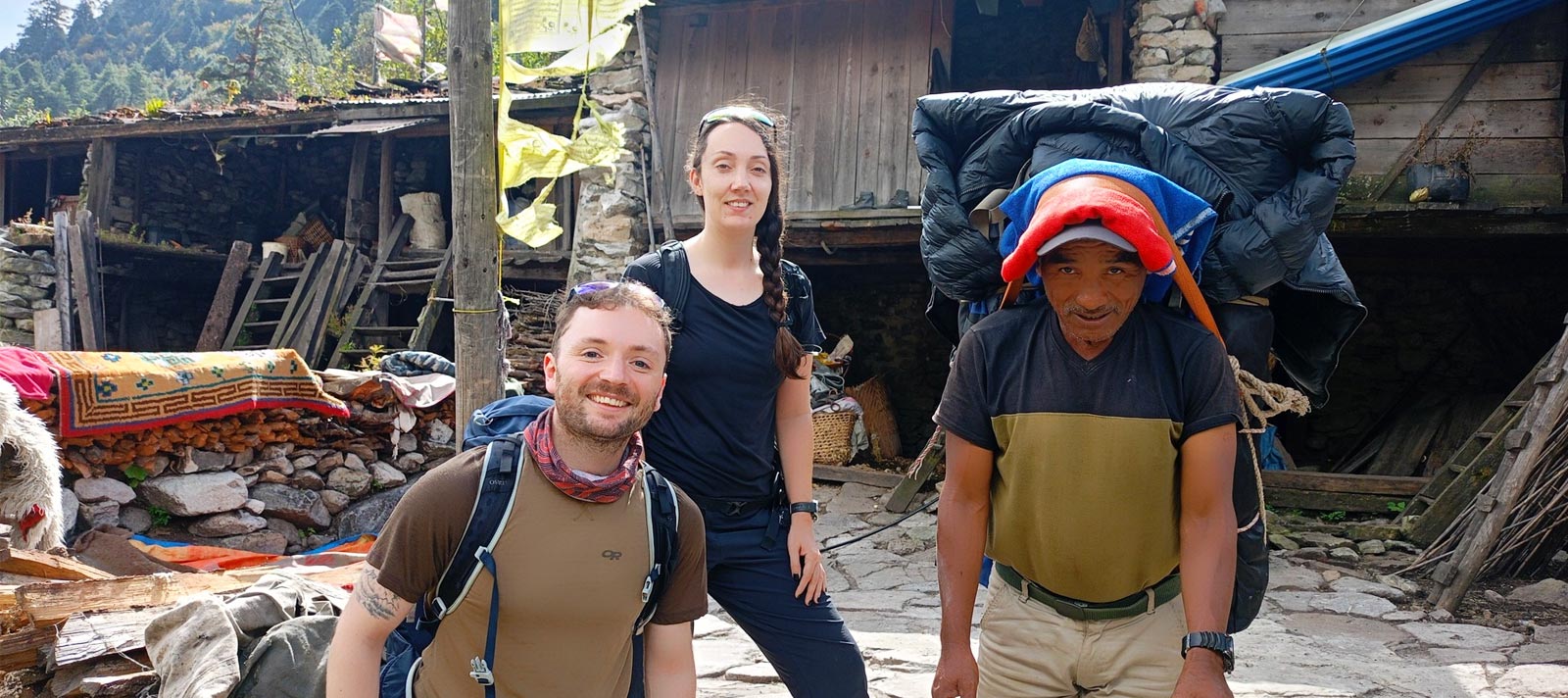
Do not overload your porter. The recommended maximum load is 20–25 kg. Pack light and be considerate.
2. Provide Adequate Gear
Ensure that your porter has proper clothing, shoes, and equipment for the trek. A good trekking company will take care of this, but always confirm.
3. Fair Wages and Insurance
Work with a reputable trekking company that provides fair pay, food, accommodation, and insurance for porters. Avoid bargaining excessively, as this affects their livelihood.
4. Treat Porters as Team Members
Respect your porter as an equal member of your trekking team. Offer meals together, involve them in group interactions, and ensure they have safe sleeping arrangements.
5. Choose a Responsible Trekking Agency
Companies like Sole Encounters Trekking Pvt. Ltd. follow ethical guidelines, ensuring porter welfare. Always confirm that the agency is registered and abides by labor regulations.
When and Where to Hire a Porter
Porters can be arranged in Kathmandu or Pokhara before you begin your trek. For remote treks like Manaslu Circuit Trek or Upper Mustang Trek, porters are often hired from nearby villages to support the local economy.
-
Best Season to Trek with a Porter: Spring (March–May) and Autumn (September–November) are ideal seasons for trekking in Nepal.
-
Hiring in Remote Regions: In areas like Dolpo or Kanchenjunga, costs can be slightly higher due to transportation and logistics.
How to Hire a Porter Safely
-
Always hire through a licensed trekking agency to ensure porter insurance and safety.
-
Confirm in advance about wages, meals, and load limits.
-
Avoid hiring porters informally on the trail, as their welfare may not be guaranteed.
Benefits for Trekkers and Porters Alike
Hiring a porter creates a mutually beneficial relationship you get a safer and more enjoyable trekking experience, while they earn a fair wage to support their families. It also contributes to sustainable tourism in Nepal.
Final Tips for Ethical Trekking
-
Carry a small daypack for essentials like water, snacks, and personal items.
-
Learn a few Nepali greetings—it fosters better connection with your porter.
-
Always tip generously at the end of the trek if you are satisfied with the service.
For expert advice on hiring porters, feel free to contact us or talk to our experts.
Conclusion
Hiring a porter in Nepal is one of the best ways to enhance your trekking experience while supporting local livelihoods. By following ethical practices, you not only make your journey safer and more enjoyable but also contribute to sustainable tourism. Whether you plan to trek to Everest Base Camp, Annapurna Base Camp, or explore the Langtang Valley, hiring a porter is a decision that benefits both you and the local community.
Start planning your next adventure with Sole Encounters Trekking Pvt. Ltd. Explore our wide range of trekking packages at Trekking in Nepal.
Recent Posts
.jpg)
3rd Jul, 2025
.jpg)
4th Jul, 2025
.jpg)
4th Jul, 2025
.jpg)
7th Jul, 2025
.jpg)
8th Jul, 2025
.jpg)
8th Jul, 2025
.jpg)
8th Jul, 2025

10th Jul, 2025