Is the Everest Base Camp via Gokyo Trek Difficult? Complete Guide to Fitness & Preparation
- soleencounters
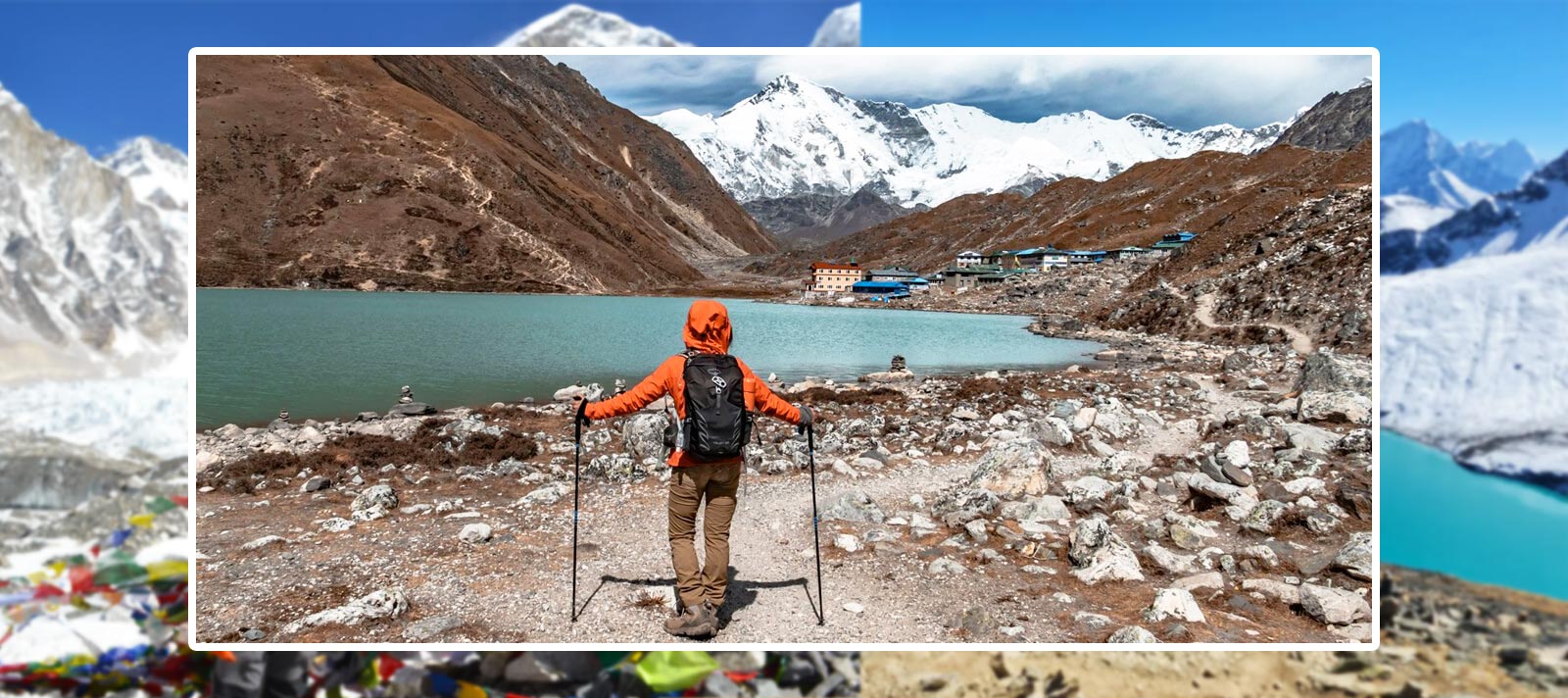
The Everest Base Camp via Gokyo Trek is one of the most scenic and adventurous routes in the Himalayas. While the classic Everest Base Camp trek is already demanding, the Gokyo variation adds extra challenges, including the ascent of Gokyo Ri (5,357m), the crossing of the high-altitude Cho La Pass (5,420m), and long trekking days. Many trekkers ask: Is the Everest Base Camp via Gokyo trek difficult?
Table of Contents
The answer is that this trek is moderate to challenging, but with the right preparation, fitness, and mindset, it is achievable for most determined trekkers. This guide breaks down the key factors affecting difficulty—altitude, terrain, fitness requirements, and preparation—so you know exactly how to get ready for this extraordinary Himalayan journey.
For full trip details, check our Everest Base Camp via Gokyo Ri Trek package.
How Difficult is the Everest Base Camp via Gokyo Trek?
This trek is graded moderate to challenging. You don’t need technical climbing experience, but the journey involves:
-
Altitude: Reaching over 5,000m multiple times.
-
Terrain: Rocky trails, glacial moraines, and the icy Cho La Pass.
-
Daily trekking hours: 5–8 hours on average, with some longer days.
-
Weather: Conditions can be unpredictable, especially at higher elevations.
While physically demanding, proper acclimatization and steady pacing make it achievable for trekkers with good fitness levels and preparation.
Key Challenges on the Route
1. High Altitude
The highest points—Gokyo Ri (5,357m), Cho La Pass (5,420m), and Kala Patthar (5,545m)—require careful acclimatization. Altitude sickness can affect anyone, regardless of age or fitness. Including rest days (such as in Namche Bazaar and Gokyo) is essential.
2. Cho La Pass Crossing
Crossing Cho La Pass is one of the most difficult sections. It involves a steep climb, snow or ice depending on the season, and a long descent. This requires stamina, balance, and good trekking gear.
3. Long Days of Trekking
Most trekking days average 5–7 hours, but days like reaching Everest Base Camp or crossing Cho La can take 8–9 hours. Mental endurance is as important as physical strength.
4. Weather and Trail Conditions
Spring and autumn offer the best conditions, but trekkers should still be prepared for cold temperatures, sudden snowfall, or rain. Proper clothing and gear are crucial for safety and comfort.
How Fit Do You Need to Be for the Gokyo Route?
You don’t need to be an athlete, but a good level of fitness is necessary. Here’s what helps:
-
Cardio endurance: Ability to walk uphill for several hours without exhaustion.
-
Leg strength: Strong muscles for steep ascents and descents.
-
Core and balance: Helpful for rocky trails and glacial crossings.
-
Mental resilience: Staying motivated on tough, high-altitude days.
If you can comfortably hike 10–15 km a day with a backpack, you’re well-prepared for the trek.
Training Tips for Everest Base Camp via Gokyo Trek
Start preparing at least 2–3 months before your trek. Focus on:
-
Hiking Practice
-
Take long hikes on weekends, gradually increasing distance and altitude.
-
Practice carrying a backpack (5–8 kg) to simulate trekking conditions.
-
-
Cardiovascular Workouts
-
Running, cycling, swimming, or stair climbing improves lung capacity.
-
Aim for 30–60 minutes of cardio, 3–4 times a week.
-
-
Strength Training
-
Squats, lunges, and step-ups for leg power.
-
Core exercises (planks, crunches) for balance and stability.
-
-
Flexibility and Recovery
-
Yoga or stretching to prevent stiffness during long trekking days.
-
Essential Preparation Beyond Fitness
Acclimatization
Choose an itinerary with built-in rest days, such as in Namche Bazaar and Gokyo, to allow your body to adjust.
Packing the Right Gear
A successful trek depends on the right equipment. Must-haves include:
-
Down jacket and thermal layers
-
Waterproof boots with good ankle support
-
Trekking poles for balance on descents and snowy terrain
-
Sleeping bag (rated to -15°C or below)
-
Headlamp, gloves, and sunglasses
(For a detailed checklist, see our Nepal trekking preparation guide).
Hiring Guides and Porters
Navigating Cho La Pass and remote trails is safer with experienced guides. Local porters can ease your load, allowing you to focus on the trek and enjoy the scenery. Learn more in our blog on Hiring a Porter in Nepal.
Best Time to Trek via Gokyo
The two best trekking seasons are:
-
Spring (March–May): Clear skies, warmer days, rhododendron blooms.
-
Autumn (September–November): Stable weather, crisp air, and the best mountain views.
Winter is extremely cold, and summer monsoon brings heavy rains—both seasons increase the difficulty.
Tips to Make the Trek Easier
-
Walk slowly—maintain a steady pace instead of rushing.
-
Stay hydrated and avoid alcohol at high altitudes.
-
Eat well and carry snacks for energy.
-
Train with your trekking boots before arriving in Nepal.
-
Rest whenever you feel short of breath.
Why the Everest Base Camp via Gokyo Trek is Worth the Challenge
Despite the difficulty, this trek is unforgettable because it combines:
-
The serene Gokyo Lakes
-
The panoramic viewpoint of Gokyo Ri
-
The thrill of crossing Cho La Pass
-
The ultimate destination—Everest Base Camp
-
Sherpa villages and cultural immersion
This variation of the Everest trek offers more variety, adventure, and stunning scenery than the classic route.
See our full Everest Base Camp via Gokyo trek itinerary here.
Conclusion
So, is the Everest Base Camp via Gokyo trek difficult? Yes, it is a challenging journey, but with the right fitness training, preparation, and guidance, it is an achievable and rewarding adventure for trekkers worldwide. The trek’s combination of turquoise lakes, high passes, cultural encounters, and the legendary Everest Base Camp makes the effort completely worthwhile.
If you’re ready to take on the challenge, contact us today or talk to our trekking experts for personalized guidance. At Sole Encounters Trekking, we ensure your Everest journey is safe, memorable, and inspiring.
Recent Posts
.jpg)
3rd Jul, 2025
.jpg)
4th Jul, 2025
.jpg)
4th Jul, 2025
.jpg)
7th Jul, 2025
.jpg)
8th Jul, 2025
.jpg)
8th Jul, 2025
.jpg)
8th Jul, 2025

10th Jul, 2025