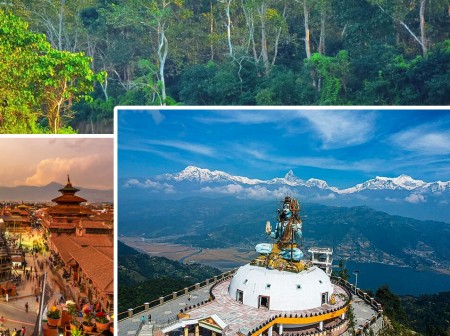
Religion & Spiritual Sites in Nepal
- soleencounters
Nepal is not only renowned for its stunning Himalayan landscapes and adventure trekking routes, but also for its rich spiritual and religious heritage. With a harmonious blend of Hinduism and Buddhism — the two dominant religions — Nepal offers a deeply spiritual atmosphere that attracts travelers seeking both cultural immersion and inner reflection. From sacred temples and ancient stupas to meditation retreats nestled in the mountains, Nepal’s spiritual side is as awe-inspiring as its natural beauty.
Table of Contents
In this guide, we’ll explore the most important religious sites in Nepal, provide practical travel tips, and help you plan your journey to some of the most serene and sacred places in the country.
Religion in Nepal: A Spiritual Fusion
Nepal is a secular country with deep-rooted spiritual traditions. Hinduism and Buddhism have coexisted here for centuries, influencing each other and the local culture in unique ways.
-
Hinduism is the most practiced religion, with gods like Shiva, Vishnu, and Durga revered in temples across the country.
-
Buddhism, particularly Tibetan Buddhism, has flourished in the northern regions and the Kathmandu Valley.
This fusion can be witnessed in shared temples, festivals, and rituals where both Hindus and Buddhists worship side by side.
Top Religious and Spiritual Sites in Nepal
1. Pashupatinath Temple – Kathmandu
One of the most sacred Hindu temples in the world, Pashupatinath is dedicated to Lord Shiva. Located on the banks of the Bagmati River, this UNESCO World Heritage Site is a major pilgrimage destination, especially during the Maha Shivaratri festival.
2. Boudhanath Stupa – Kathmandu
This colossal stupa is one of the largest in the world and a major center for Tibetan Buddhism. It’s surrounded by monasteries and prayer wheels, attracting monks, pilgrims, and spiritual seekers alike.
3. Swayambhunath (Monkey Temple) – Kathmandu
Overlooking Kathmandu Valley, this ancient stupa is a revered site for both Buddhists and Hindus. The panoramic view, fluttering prayer flags, and resident monkeys add to its mystical charm.
4. Lumbini – Birthplace of Lord Buddha
Located in southern Nepal, Lumbini is a UNESCO World Heritage Site and one of the holiest places in Buddhism. Visit the Maya Devi Temple, monastic zones, and the Ashokan Pillar for a deeply moving experience.
5. Muktinath Temple – Mustang
Situated at 3,800 meters, Muktinath is a sacred site for both Hindus and Buddhists. Pilgrims visit to bathe in its 108 water spouts for spiritual cleansing. It’s also a highlight of the Annapurna Circuit.
6. Janaki Temple – Janakpur
This grand temple is dedicated to Goddess Sita (Janaki), wife of Lord Rama. It’s an important Hindu site and features stunning Mughal-influenced architecture. The city of Janakpur is also a hub of Mithila art and culture.
7. Kopan Monastery – Kathmandu
Perched on a hill near Boudhanath, Kopan Monastery is a center for Tibetan Buddhist study and meditation retreats. It’s popular among Western travelers seeking insight into Buddhism.
8. Manakamana Temple – Gorkha
Accessible via cable car, this temple is dedicated to Goddess Manakamana, believed to fulfill the wishes of devotees. The temple offers both a spiritual and scenic experience.
9. Pathibhara Devi Temple – Taplejung
In far eastern Nepal, Pathibhara is a powerful Shakti Peeth. It attracts pilgrims seeking blessings and is a hidden gem for trekkers wanting to explore spiritual routes.
10. Tengboche Monastery – Everest Region
Located on the Everest Base Camp Trek route, Tengboche is the most important Buddhist monastery in the Khumbu region. It offers stunning views of Everest and hosts the colorful Mani Rimdu Festival.
When to Visit Nepal for Religious Travel
The best time to explore spiritual sites in Nepal is during the spring (March–May) and autumn (September–November) seasons. These months offer pleasant weather, clear skies, and coincide with major festivals like Dashain, Tihar, and Buddha Jayanti.
Spiritual Festivals Worth Experiencing
-
Dashain & Tihar (Hindu) – Celebrations of victory, light, and family across the country.
-
Buddha Jayanti (Buddhist) – Celebrated in Lumbini and across Nepal to mark Buddha’s birth.
-
Mani Rimdu Festival (Tibetan Buddhist) – Held at Tengboche Monastery in the Everest region.
-
Maha Shivaratri – Massive celebrations at Pashupatinath Temple.
Practical Tips for Spiritual Travelers
-
Dress modestly and respectfully when visiting temples and monasteries.
-
Remove shoes before entering sacred areas.
-
Photography may be restricted inside certain religious sites — always ask first.
-
Consider hiring a knowledgeable guide to better understand rituals and architecture.
-
Combine spiritual travel with trekking for a holistic experience — such as visiting Tengboche Monastery on our Everest Base Camp Trek.
Conclusion
Nepal’s spiritual sites offer a powerful connection to history, culture, and inner peace. Whether you’re meditating in a hillside monastery, lighting butter lamps at a Buddhist stupa, or participating in age-old Hindu rituals, Nepal’s sacred spaces create unforgettable memories.
For more cultural adventures, explore our full Nepal destination guide or contact us for tailor-made spiritual tours across Nepal.
Recent Posts
.jpg)
3rd Jul, 2025
.jpg)
4th Jul, 2025
.jpg)
4th Jul, 2025
.jpg)
7th Jul, 2025
.jpg)
8th Jul, 2025
.jpg)
8th Jul, 2025
.jpg)
8th Jul, 2025

10th Jul, 2025