Responsible Wildlife Tourism in Nepal
- soleencounters
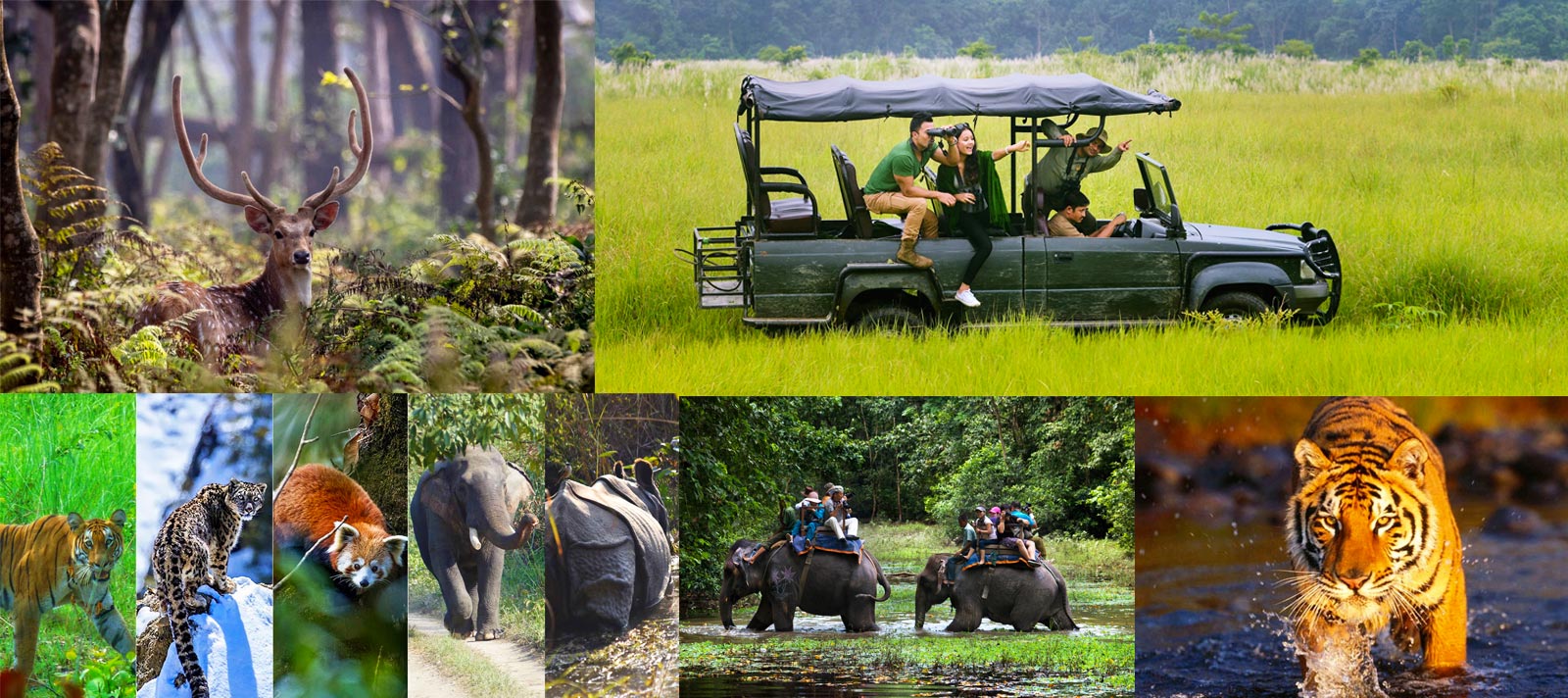
Nepal’s incredible wildlife from Bengal tigers in Chitwan to elusive snow leopards in Sagarmatha is one of its greatest natural treasures. Yet as tourism grows, responsible wildlife tourism in Nepal becomes essential for safeguarding ecosystems and local communities. This guide from Sole Encounters Trekking explains how to explore Nepal’s national parks and conservation areas sustainably, ethically, and with lasting positive impact.
Table of Contents
Why Responsible Wildlife Tourism in Nepal Matters
Globally and locally, responsible wildlife tourism helps:
-
Protect endangered species like rhinos, tigers, red pandas, musk deer, and snow leopards
-
Support parks like Chitwan, Bardia, Makalu Barun, Annapurna Conservation Area through permit revenues and ecotourism programs
-
Empower local communities with jobs in guiding, hospitality, and conservation initiatives
-
Minimize pollution, habitat disturbance, and cultural degradation from tourism
H2: Key Wildlife Destinations and Conservation Areas
H3: Chitwan National Park & Bardia National Park
These Terai sanctuaries host Bengal tigers, one‑horned rhinos, elephants and over 500 bird species. Chitwan is renowned for safe tiger tracking and elephant sightings, while Bardia offers a quieter, equally rich wildlife experience . Sustainable camps like Burhan Wilderness near Bardia demonstrate best practices by operating micro‑conservancies and supporting indigenous Tharu communities
H3: Sagarmatha National Park & Makalu Barun National Park
In the high Himalayas, Sagarmatha protects snow leopards, musk deer, Himalayan tahr and red panda habitat above 3,000 m Makalu Barun, one of the most biodiverse parks, spans from tropical forests to peaks above 8,000 m and is a pioneer in community‑based conservation
H3: Annapurna Conservation Area (Manang & Mustang region)
Home to snow leopards, red pandas and musk deer, Annapurna’s Snow Leopard Haven lodge and BIOCOS satellite programs provide wildlife treks combined with community‑led conservation education
H2: Principles of Responsible Wildlife Tourism in Nepal
H3: Respect Wildlife and Habitat
-
Observe animals from a distance; never feed, chase or disturb wildlife
-
Adhere to park rules and regulations, including TIMS and guide requirements in protected areas ensuring visitor safety and wildlife protection
-
Remove all waste, avoid single-use plastics, and use refillable water bottles to reduce contamination
H3: Support Conservation and Local Communities
-
Choose eco‑friendly lodges, homestays or conservancy camps that utilize renewable energy, minimize environmental impact, and employ locals
-
Buy fair‑trade local handicrafts, stay in community‑run lodges, and engage through cultural exchanges to ensure tourism benefits residents
H3: Educate Yourself and Others
-
Learn about IUCN status of local species; never participate in poaching or wildlife trafficking; report any suspicious activity
-
Join guided nature tours led by local naturalists who explain flora, fauna, and conservation efforts
H2: Best Seasons & Activity Planning for Wildlife Tourism
-
Autumn (Sept–Nov) and spring (Mar–May) offer dry weather, good visibility, and active wildlife—ideal for safaris, treks and birdwatching.
-
Avoid monsoon season (June–August): heavy rains disrupt trails, increase mosquito activity, and wildlife may be less visible.
-
Parks like Chitwan, Bardia, and Annapurna Conservation Area remain accessible year-round under guidance.
H2: Sample Responsible Wildlife Itineraries
H3: 7-Day Wildlife & Cultural Tour
-
Day 1–2 – Kathmandu: Orientation, cultural tours, visit wildlife film screenings or conservation centers
-
Days 3–4 – Chitwan National Park: Guided safari on foot or jeep, canoe ride, Tharu village visit, elephant care education
-
Days 5–6 – Bardia National Park: Optional stay at Burhan Wilderness for tracking tiger and rhino with community rangers
-
**Day 7 – Return via flights or drive to Kathmandu; debrief on conservation and sustainable travel
H3: 10-Day Himalayan Wildlife & Trekking Route
-
Days 1–2 – Kathmandu
-
Days 3–6 – Annapurna Conservation Area: include Snow Leopard Haven in Manang region, forest treks to spot red panda habitat
-
Days 7–9 – Sagarmatha Valley: Trek through Sagarmatha National Park, observe alpine species, engage with local rangers
-
**Day 10 – Return and reflect on conservation through optional donation to BIOCOS Nepal or park funds
H2: Featured Snippet Style Answer
What is responsible wildlife tourism in Nepal?
Responsible wildlife tourism in Nepal is observing animals like tigers, rhinos, snow leopards, and red pandas ethically and respectfully—using local guides, eco‑friendly accommodations, supporting community conservation projects, never disturbing wildlife, minimizing waste, and contributing directly to local livelihoods and park protection.
H2: How Sole Encounters Trekking Supports Responsible Wildlife Tourism
-
We arrange guided safaris and treks in Chitwan, Bardia, Sagarmatha, Annapurna, Makalu Barun under ethical and ecotourism principles
-
We partner with community-based lodges and conservation projects—such as Snow Leopard Haven, Burhan Wilderness Camps, and local buffer zone initiatives
-
We assist with park permits, trained naturalist guides, environmental education, and local cultural engagement
Learn more about Nepal’s biodiversity and destinations via our Destination: Nepal page. Plan a wildlife‑focused itinerary with sustainable impact—connect through our talk to expert or Contact Us page.
Conclusion
Responsible wildlife tourism in Nepal is not just about experiencing nature it’s about ensuring that those experiences help conserve wildlife, sustain ecosystems, and benefit local communities. By choosing guided tours, eco‑friendly stays, and ethical wildlife viewing, travelers can help Nepal preserve its natural heritage. At Sole Encounters Trekking, we craft wildlife tours that respect nature, empower communities, and create meaningful conservation outcomes. Ready to explore Nepal’s wild responsibly? Reach out to us and start planning your journey in harmony with nature.
Recent Posts
.jpg)
3rd Jul, 2025
.jpg)
4th Jul, 2025
.jpg)
4th Jul, 2025
.jpg)
7th Jul, 2025
.jpg)
8th Jul, 2025
.jpg)
8th Jul, 2025
.jpg)
8th Jul, 2025

10th Jul, 2025