Sustainable Trekking in Nepal
- soleencounters
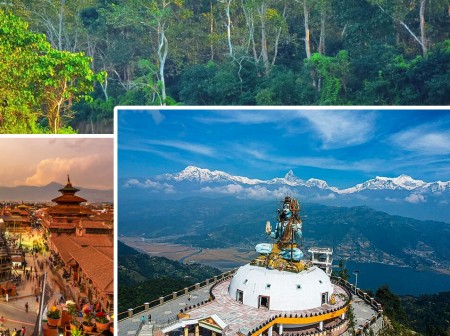
Nepal’s towering Himalayas, pristine forests, and vibrant cultures attract trekkers from around the world. As trekking tourism grows, so does the responsibility to protect Nepal’s fragile environment and preserve its natural beauty for future generations. Sustainable trekking in Nepal has become more important than ever to minimize ecological impact, support local communities, and ensure that these majestic landscapes remain unspoiled.
Table of Contents
Sole Encounters Trekking Pvt. Ltd., a trusted Nepal-based trekking company, advocates for eco-friendly travel practices. This guide highlights key sustainable trekking tips that empower travelers to enjoy Nepal’s trekking trails responsibly. By adopting these practices, trekkers contribute to conserving the environment, enhancing local livelihoods, and maintaining the authenticity of the trekking experience.
Why Sustainable Trekking Matters in Nepal
The Himalayas are ecologically sensitive, and Nepal’s trekking regions face environmental challenges such as waste accumulation, deforestation, and water pollution. Unsustainable tourism can strain local resources and negatively impact wildlife habitats.
Sustainable trekking aims to:
-
Reduce environmental footprint by minimizing waste and pollution
-
Conserve natural habitats and biodiversity
-
Support local communities through fair economic practices
-
Promote cultural respect and preservation
-
Ensure trekking routes remain accessible and enjoyable for future generations
By choosing eco-friendly travel, trekkers help protect Nepal’s unique environment while enjoying an enriching adventure.
Essential Eco-Friendly Travel Tips for Sustainable Trekking in Nepal
1. Minimize Plastic Use and Carry Reusable Items
Plastic waste is one of the biggest environmental threats on trekking routes. Single-use plastics often accumulate in remote areas due to limited waste management.
-
Carry reusable water bottles and hydration systems instead of buying plastic bottles.
-
Use reusable food containers and avoid plastic packaging where possible.
-
Bring your own reusable shopping bags and avoid plastic bags offered locally.
Proper disposal of any plastic waste you generate is critical—pack out what you pack in.
2. Choose Responsible Trekking Companies and Guides
Partnering with eco-conscious trekking companies ensures your trip supports sustainable tourism.
-
Sole Encounters Trekking Pvt. Ltd. works closely with local communities to promote environmental stewardship.
-
Responsible guides educate trekkers about local ecology, cultural sensitivity, and leave-no-trace principles.
-
Supporting companies that invest in community development and conservation helps preserve the regions you visit.
3. Respect Local Cultures and Communities
Nepal’s trekking areas are home to diverse ethnic groups with rich traditions. Responsible travelers show respect by:
-
Seeking permission before photographing people or private property.
-
Learning about and honoring local customs, festivals, and etiquette.
-
Supporting local businesses by buying handicrafts and services directly from communities.
4. Stick to Designated Trails and Campsites
Trekking off established routes can damage fragile alpine vegetation and wildlife habitats.
-
Follow marked trails to minimize erosion and habitat disturbance.
-
Use designated campsites to avoid overuse of pristine areas.
-
Avoid disturbing flora and fauna and do not remove plants or stones.
5. Manage Waste Properly
Proper waste management is crucial in remote trekking regions.
-
Carry biodegradable soap and avoid polluting water sources.
-
Use portable bags for human waste if no proper facilities exist.
-
Dispose of trash responsibly in designated collection points or bring it back to towns.
Many trekking companies now organize waste collection and removal initiatives—participate whenever possible.
6. Conserve Water and Energy
Water is a precious resource in mountainous regions where supply is limited.
-
Take short showers and reuse water when possible.
-
Turn off taps and lights when not in use.
-
Support lodges that use solar energy or other sustainable practices.
7. Practice Leave No Trace Principles
The internationally recognized Leave No Trace principles guide environmentally responsible travel:
-
Plan ahead and prepare to minimize impact.
-
Travel and camp on durable surfaces.
-
Dispose of waste properly.
-
Leave what you find—avoid altering natural or cultural features.
-
Minimize campfire impact or avoid fires altogether.
-
Respect wildlife by observing from a distance.
-
Be considerate of other visitors and local residents.
Best Sustainable Trekking Routes in Nepal
Certain trekking routes in Nepal offer excellent opportunities for sustainable travel due to established community programs and conservation efforts.
-
Annapurna Conservation Area: The largest protected area in Nepal, it combines natural beauty with community-led tourism and waste management.
-
Langtang National Park: Well-regulated trails and responsible tourism help preserve biodiversity and local culture.
-
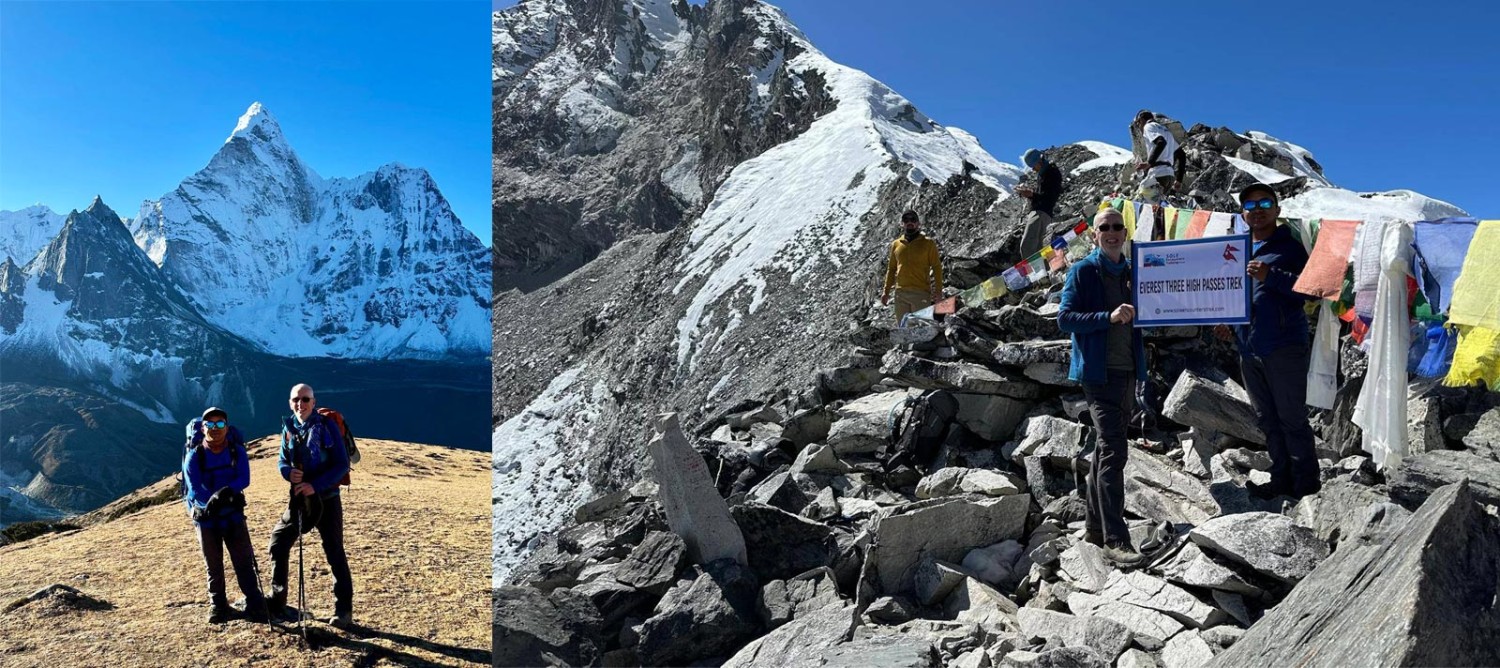
Everest Region: Ongoing clean-up campaigns and trekking permits contribute to minimizing ecological impact.
Choosing trekking routes within conservation areas ensures your adventure aligns with sustainability goals. Explore more about these destinations on our Trekking in Nepal page.
When to Trek Sustainably in Nepal
The best trekking seasons are spring (March to May) and autumn (September to November) when weather is stable and landscapes are vibrant. During these times, trekking infrastructure operates fully, including waste disposal and water management systems.
Avoid trekking during the monsoon (June to August) when trails are muddy and prone to erosion. Winter trekking is possible but requires careful preparation due to cold temperatures.
How Sole Encounters Trekking Supports Sustainable Travel
At Sole Encounters Trekking Pvt. Ltd., sustainability is integral to our operations:
-
We employ local guides and porters fairly, contributing to community wellbeing.
-
We encourage trekkers to follow eco-friendly practices throughout their journey.
-
We participate in and organize trail clean-up campaigns and environmental education programs.
-
Our itineraries include visits to community-based tourism projects that empower locals.
By trekking with us, you join a collective effort to protect Nepal’s natural and cultural heritage.
Conclusion
Sustainable trekking in Nepal is not only essential for preserving the environment but also enriches your travel experience by fostering meaningful connections with nature and local communities. By adopting eco-friendly travel tips—such as minimizing plastic use, respecting culture, and practicing Leave No Trace—you contribute to the longevity and beauty of Nepal’s trekking destinations.
Sole Encounters Trekking Pvt. Ltd. is committed to guiding you on responsible trekking adventures that honor the Himalayas and its people. Explore our carefully curated trekking packages on the Trekking in Nepal page and travel with purpose.
For personalized assistance and sustainable trekking plans, contact us anytime via our Contact Us page.
Together, let’s protect Nepal’s pristine mountains and vibrant cultures for generations of trekkers to come.
Recent Posts
.jpg)
3rd Jul, 2025
.jpg)
4th Jul, 2025
.jpg)
4th Jul, 2025
.jpg)
7th Jul, 2025
.jpg)
8th Jul, 2025
.jpg)
8th Jul, 2025
.jpg)
8th Jul, 2025

10th Jul, 2025