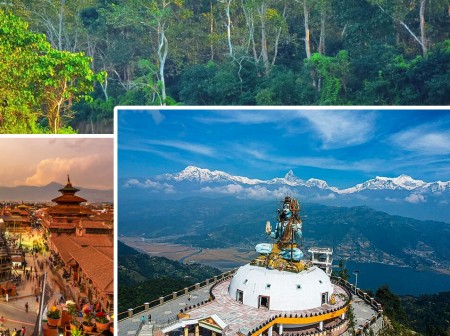
Teahouse Experience in Annapurna Region
- soleencounters
The Annapurna Region of Nepal offers one of the most accessible and enriching trekking experiences in the Himalayas—not just because of its stunning natural beauty, but also due to the unique teahouse trekking culture. These locally run lodges are a vital part of the trekking ecosystem, offering hot meals, clean beds, and warm hospitality in the remotest corners of the mountains. If you're planning to do the Annapurna Base Camp Trek, understanding what teahouses provide will help you prepare better and enjoy the journey with realistic expectations.
Table of Contents
This guide covers everything you need to know about food, lodging, facilities, and overall teahouse experience in the Annapurna region, based on local knowledge and decades of trekking expertise.
What Are Teahouses in the Annapurna Region?
Teahouses are family-run guesthouses found all along popular trekking routes in Nepal. In the Annapurna Conservation Area, they serve as the primary form of accommodation for trekkers. Over the years, teahouses have evolved from basic huts offering dal bhat and tea to more established lodges with twin rooms, solar showers, and extensive menus.
These teahouses not only provide a place to sleep and eat but also offer opportunities for trekkers to connect with locals and immerse in Nepalese hospitality.
What to Expect in Teahouse Accommodation
1. Room Types and Bedding
Most teahouses provide:
-
Twin-sharing rooms with two single beds
-
Foam mattresses with sheets and blankets
-
Shared bathrooms (attached toilets are rare but available at lower elevations)
-
Basic furniture: small table, hooks, and sometimes charging outlets
At lower altitudes (e.g., Ghandruk, Chhomrong), rooms tend to be cleaner and warmer. As you ascend, teahouses become more rustic due to limited resources.
Pro Tip: Carry a warm sleeping bag (rated at least -10°C) even if blankets are provided.
2. Toilets and Showers
-
Toilets: Expect squat toilets at higher altitudes and flush toilets at lower points.
-
Hot Showers: Available at most teahouses, often powered by gas or solar. There is usually a charge of NPR 200–500 per shower.
3. Electricity and Charging
-
Teahouses rely on solar power or hydroelectricity. Charging ports may be in the dining area and are often charged per device (NPR 100–300).
-
Some lodges offer Wi-Fi (Everest Link or similar) for a fee, but connectivity is limited in high-altitude areas like Machhapuchhre Base Camp.
4. Dining and Social Space
All teahouses feature a central dining room with a fireplace, which becomes the hub for warmth, meals, and social interaction. The heated dining space is where trekkers relax, read, chat, and eat.
Food at Teahouses: What’s on the Menu?
While you’re far from cities, food in the Annapurna Region is surprisingly diverse. Most teahouses follow a standard trekking menu approved by local authorities to regulate pricing and quality.
Typical Meals You’ll Find:
Breakfast
-
Tibetan bread or chapati with jam/honey
-
Porridge or muesli with milk
-
Pancakes (plain, apple, banana, chocolate)
-
Eggs (boiled, fried, scrambled, omelets)
Lunch and Dinner
-
Dal Bhat Tarkari (Rice, lentil soup, seasonal vegetables, and pickle)—a staple for energy and nutrition
-
Noodles (fried or soup)
-
Pasta with tomato or cheese sauce
-
Momos (steamed dumplings)
-
Fried rice or Sherpa stew
Beverages
-
Tea (black, milk, ginger, mint, lemon)
-
Coffee (instant or brewed)
-
Hot lemon with honey
-
Garlic soup (helpful for altitude sickness)
Dietary Notes:
-
Vegetarian meals are widely available and safer at altitude.
-
Vegan and gluten-free options may be limited but manageable with advance notice.
-
Meat is available at lower elevations but best avoided higher up due to freshness concerns.
Reminder: Stick to freshly cooked meals and avoid raw or cold dishes at higher altitudes.
What Makes the Teahouse Experience Special?
-
Local Hospitality: You’ll often be served by the teahouse owners themselves, who are mountain locals with generations of experience.
-
Cultural Exposure: From Buddhist prayer flags to traditional architecture, the environment itself is part of the journey.
-
Community Atmosphere: Meet fellow trekkers from around the world while warming up around the stove with a cup of tea.
How Much Do Teahouses Cost?
-
Room (Twin Sharing): NPR 500–1,000 per night
-
Meals per day: NPR 2,000–3,500 depending on altitude and quantity
-
Extras: Hot showers, Wi-Fi, charging, and snacks add NPR 500–1,000 per day
Teahouse pricing increases as you go higher, due to portage costs. For budgeting details, refer to our full guide on Annapurna Base Camp Trek cost.
When Is the Best Time to Enjoy Teahouses in Annapurna?
Teahouses operate year-round, but comfort levels vary with the seasons. For the best teahouse experience:
-
Spring (March–May): Ideal weather, full menu availability, and blooming rhododendrons.
-
Autumn (September–November): Clear skies, warm dining rooms, and sociable trekking atmosphere.
Monsoon (June–August) and winter (December–February) treks are possible but involve fewer open teahouses and basic services. Read our full seasonal guide to Annapurna Base Camp for detailed insights.
Tips for the Best Teahouse Experience
-
Book your trek through a reliable company like Sole Encounters Trekking, who pre-arrange quality teahouses.
-
Carry your own water purification tablets or filters to avoid buying plastic bottles.
-
Bring a headlamp, power bank, and sleeping bag liner for extra comfort.
-
Respect local customs—remove shoes in common areas and greet with a polite “Namaste”.
Why Trek with Sole Encounters for the Teahouse Experience?
As a Nepal-based company with deep local knowledge, Sole Encounters Trekking Pvt. Ltd. ensures you get the best possible teahouse experiences throughout your Annapurna Base Camp Trek. We partner with trusted teahouses, provide expert guides, and help you understand the local culture at every step.
You can also explore more of our Trekking in Nepal options to discover other teahouse-based journeys, including the Everest and Langtang regions.
Final Thoughts
Teahouse trekking in the Annapurna region offers more than just shelter—it adds comfort, culture, and human connection to your high-altitude adventure. With warm meals, basic yet cozy accommodations, and heartfelt hospitality, your overnight stays become memorable highlights of your journey.
Planning to explore the Annapurna Base Camp Trek in 2025? Let us help you book your teahouse trekking experience with the care and expertise you deserve.
Have questions? Talk to our experts or contact us to begin your journey.
Recent Posts
.jpg)
3rd Jul, 2025
.jpg)
4th Jul, 2025
.jpg)
4th Jul, 2025
.jpg)
7th Jul, 2025
.jpg)
8th Jul, 2025
.jpg)
8th Jul, 2025
.jpg)
8th Jul, 2025

10th Jul, 2025