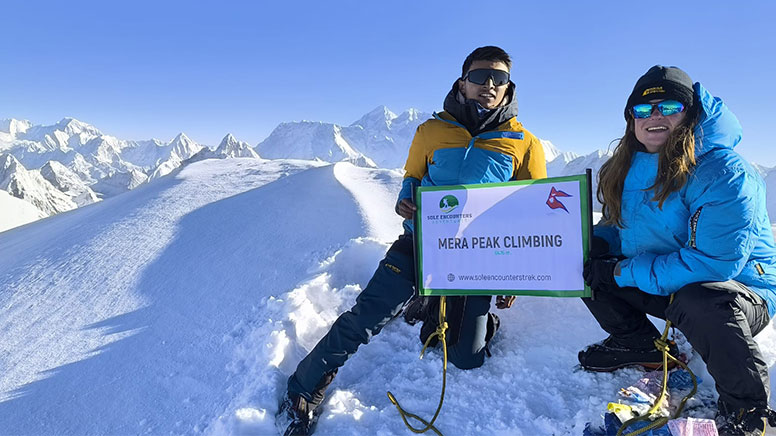
Everest Base Camp and Island Peak Climbing Trip in Nepal
A classic Himalayan journey that blends iconic trekking with real mountaineering
Welcome to one of Nepal’s most sought after adventure combinations, the Everest Base Camp Trek with Island Peak Climbing. This journey brings together the legendary footsteps to Everest Base Camp with the challenge of summiting Island Peak, offering trekkers the opportunity to move beyond sightseeing and step into genuine high altitude mountaineering.
This travel blog is written for travelers comparing different trekking and climbing companies, researching value, safety standards, and real on ground experience. It provides a clear and honest overview of how this trip compares with similar Everest Base Camp and Island Peak packages available in Nepal today.
Official trip details can be found here:
https://www.soleencounterstrek.com/trip/everest-base-camp-trek-via-island-peak-climbing-packages
What Makes Everest Base Camp with Island Peak Special
Unlike a standard Everest Base Camp trek that concludes at Kalapatthar, this itinerary continues into the Imja Valley and adds the ascent of Island Peak at 6,189 meters. This transforms a classic trek into a complete alpine experience.
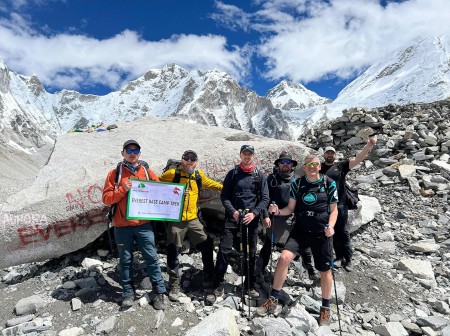
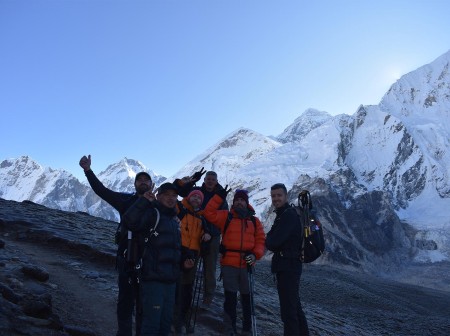
The route follows the famous Khumbu Valley trail through Namche Bazaar, Tengboche, Dingboche, and Lobuche before reaching Everest Base Camp. After completing the Everest Base Camp section and enjoying sunrise views from Kalapatthar, the journey shifts toward Chhukung and Island Peak Base Camp for the climbing phase.
This combination is ideal for trekkers who want more than photographs and viewpoints, and who are ready to challenge themselves on snow, ice, and altitude while still following a well established and well supported route.
Everest Base Camp Trek with Island Peak Compared to Other Companies
Many trekking companies in Nepal offer Everest Base Camp with Island Peak climbing packages, but the real differences appear in pacing, safety standards, group size, and guiding quality.
Compared to many mass market operators, this itinerary focuses on:
-
Proper acclimatization rather than rushed summit schedules
-
Smaller group sizes for improved safety and flexibility
-
Experienced climbing guides instead of trek only leaders
-
Realistic summit decisions, without guarantees or pressure
Some companies promote shorter itineraries or lower prices, often by reducing acclimatization days or cutting back on guide experience and support staff welfare. In high altitude environments, these compromises increase risk rather than value.
Route Overview and On Trail Experience
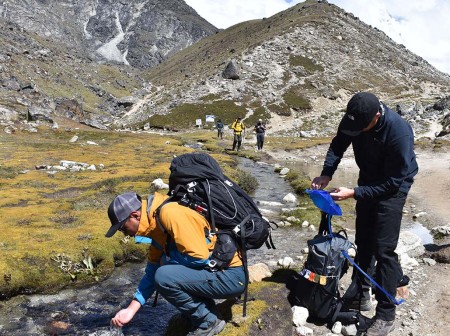
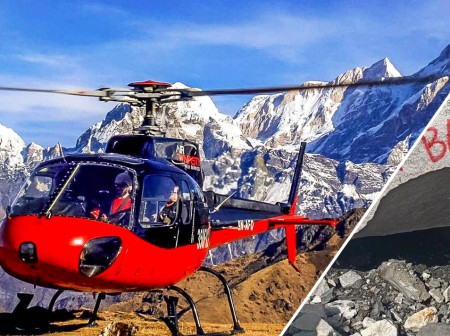
The adventure begins with a scenic flight to Lukla, followed by a steady ascent through the heart of the Khumbu region. Along the way, trekkers experience traditional Sherpa villages, ancient monasteries, suspension bridges, and some of the most dramatic mountain scenery in the world, all while gaining altitude gradually.
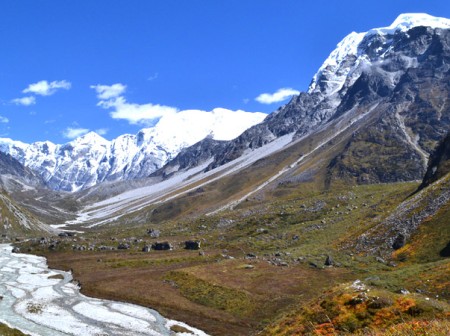
After reaching Everest Base Camp and completing the Kalapatthar hike, the route diverts toward the quieter Imja Valley. At this stage, trekkers transition from trekking to mountaineering mode. Crampons, ropes, harnesses, and ice axes become essential tools.
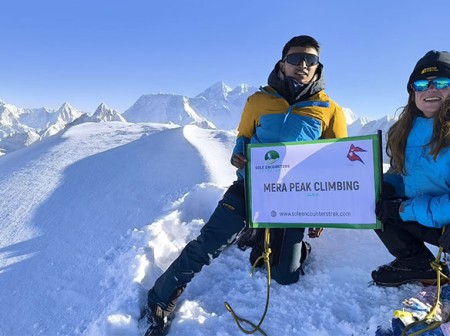
The Island Peak summit push includes glacier crossings, a steep headwall, and a narrow summit ridge. From the top, climbers are rewarded with outstanding views of Lhotse, Ama Dablam, Baruntse, and the surrounding Himalayan giants.
Why This Combination Works So Well
From both an altitude and training perspective, Everest Base Camp provides an excellent foundation before attempting Island Peak.
Key advantages include:
-
Gradual ascent through established villages
-
Multiple nights spent above 4,500 meters
-
Reliable communication and evacuation infrastructure
-
Strong physical and mental preparation before summit day
Because of this progression, Everest Base Camp with Island Peak is widely considered one of the most logical and achievable first Himalayan climbing experiences for well prepared trekkers.
Technical Difficulty and Required Experience
This trip combines moderate high altitude trekking with a challenging climbing section.
Participants should be comfortable with:
-
Multi day trekking at altitude
-
Basic crampon and ice axe techniques
-
Fixed rope ascents and descents
-
Cold conditions and early morning summit starts
Although Island Peak is classified as a trekking peak, it still requires discipline, fitness, and respect for mountain conditions. This is not a casual add on to the Everest Base Camp trek.
Best Time to Go
The most reliable seasons for this trip remain:
-
Spring, from March to May
-
Autumn, from late September to November
These months generally offer more stable weather and safer climbing conditions. Flexibility is essential, and well planned itineraries always include buffer days for weather and acclimatization.
Safety, Acclimatization, and Guiding Standards
Modern high altitude best practices emphasize safety over speed.
This itinerary includes:
-
Planned acclimatization days in Namche Bazaar and Dingboche
-
Pre climb training and refresher sessions
-
Conservative turnaround times on summit day
-
Decisions led by experienced and licensed climbing guides
Unlike operators who rely heavily on assistant or trek only guides, this trip is led by professionals with real summit and rescue experience in the Everest region.
Permits and Logistics
The required permits include:
-
Sagarmatha National Park Permit
-
Khumbu Rural Municipality Entry Permit
-
Island Peak climbing permit
All permits, logistics, staff coordination, and operational planning are managed by Sole Encounters Adventures, ensuring compliance with current regulations, ethical standards, and responsible mountain practices.
Equipment and Preparation
Proper equipment is essential for safety and success. Climbers should be prepared with:
-
Double or well insulated high altitude boots
-
Crampons, ice axe, harness, and helmet
-
Warm layered clothing suitable for extreme cold
-
A four season sleeping bag
While some companies minimize gear requirements to attract beginners, appropriate equipment is critical on Island Peak, especially in changing weather conditions.
Food, Accommodation, and Support
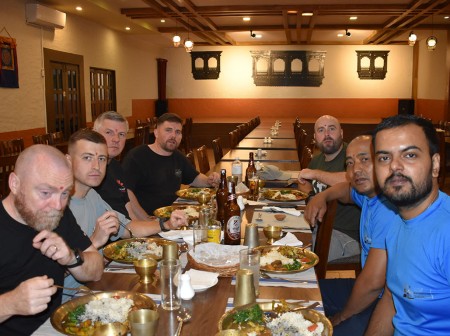
Teahouses are used throughout the Everest Base Camp trekking section, while camping is typically used at Island Peak Base Camp.
Meals are designed to support high altitude performance, focusing on hygiene, adequate calories, and hydration. Support crews are properly equipped and insured, which is not always standard across all operators.
Who Should Choose This Trip
This itinerary is best suited for:
-
Trekkers stepping into Himalayan mountaineering
-
Travelers comparing Everest Base Camp packages with real added value
-
Adventurers who prioritize safety, pacing, and guide experience
-
Those seeking a balanced alternative to rushed commercial itineraries
It may not be ideal for travelers looking for the lowest price or luxury focused trekking.
Our Commitment to Safety and Professionalism
Yes, we organize this trip and provide one of the safest and most professionally managed Everest Base Camp and Island Peak experiences.
We operate this expedition with experienced, licensed climbing guides and well trained support crews who know the Khumbu terrain, weather patterns, and high altitude risks in detail. Safety, proper acclimatization, and realistic decision making are always our priorities.
All logistics are fully arranged, including permits, domestic flights, teahouse reservations, high altitude camping, climbing equipment coordination, and emergency planning. Our crews manage route logistics, fixed ropes where required, and daily safety briefings, allowing you to focus on the journey and your performance in the mountains.
From the first day in Kathmandu to the final descent from Island Peak, the expedition is carefully planned and led with professionalism, ethical standards, and respect for both climbers and the Himalayan environment.
Final Thoughts
The Everest Base Camp Trek with Island Peak Climbing remains one of the most rewarding adventure combinations in Nepal. When done responsibly, it offers deep cultural insight, physical challenge, and a genuine introduction to Himalayan mountaineering.
When comparing this trip with other travel companies, the true difference lies not in the route itself, but in how it is paced, guided, and supported.
Plan Your Trip With Confidence
🌐 Website: https://www.soleencounterstrek.com
📧 Email: info@soleencounterstrek.com
📱 WhatsApp: +9779808979061
Contact Sole Encounters Adventures to plan an Everest Base Camp and Island Peak experience built on trust, experience, and responsible Himalayan guiding.