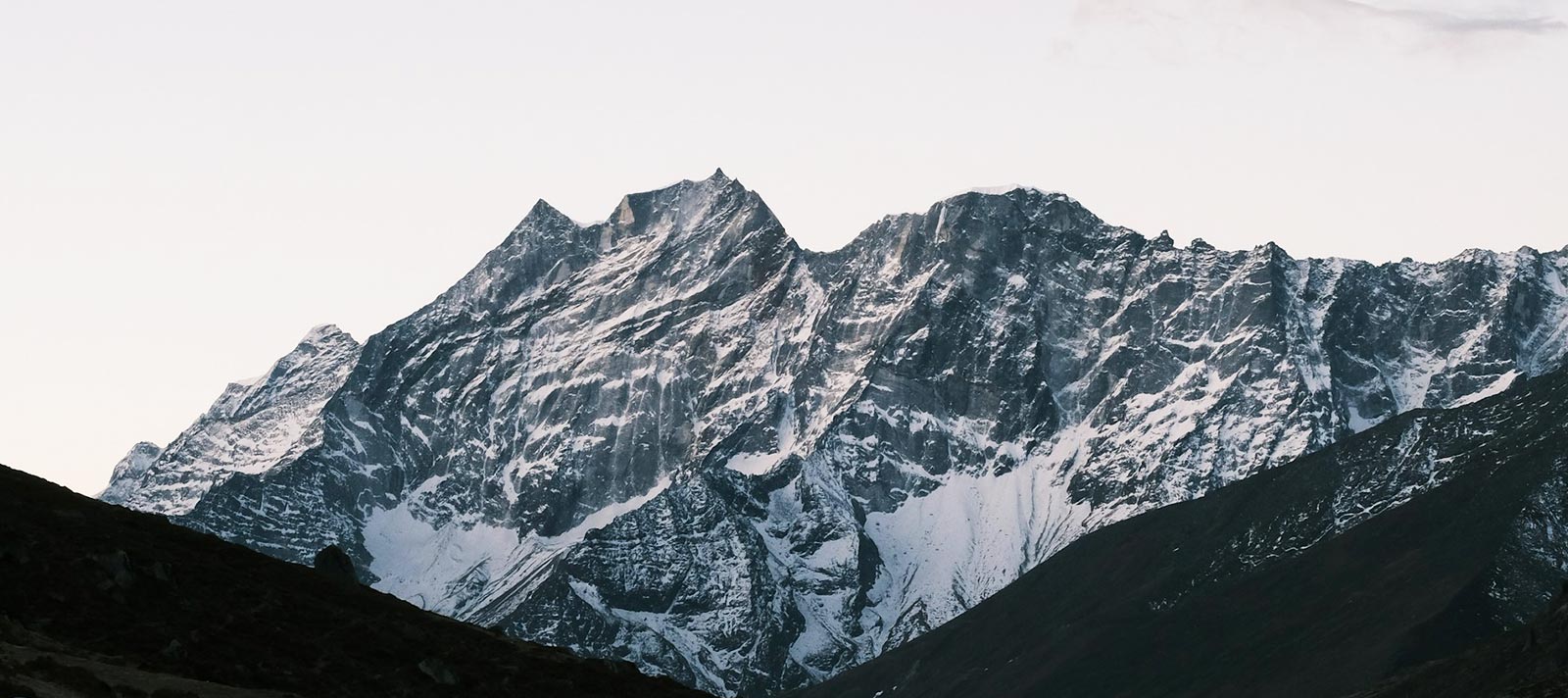
8‑Week Training Plan for Everest Base Camp Trek
- soleencounters
Introduction
Trekking to the Everest Base Camp (5,364 m) is less about technical climbing and more about endurance, altitude management, and mental resilience. The trail involves long days of trekking over varied terrain, with only basic comforts in high-altitude tea houses. That’s why proper preparation—especially fitness training—is essential for success.
Table of Contents
At Sole Encounters Trekking Pvt. Ltd., we’ve guided countless trekkers to EBC and seen firsthand how structured training transforms an experience from exhausting to exhilarating. This 8-week fitness plan is designed to help beginners and intermediate trekkers progressively build the cardiovascular endurance, leg strength, and stamina needed to conquer the Everest Base Camp Trek with confidence.
Why an 8-Week Training Plan Works
An 8-week plan gives you:
-
Time for gradual adaptation, reducing the risk of injury
-
A chance to develop habits and consistency
-
Specific phases: building endurance, increasing strength, tapering before the trek
-
Opportunities to simulate real trekking conditions, including altitude exposure when possible
Most clients who follow this structured routine arrive in Nepal prepared—not just physically but mentally for the high-altitude challenge.
Week 1–4: Building Endurance and Base Strength
Your early weeks should focus on establishing a strong cardio base and strengthening legs and core.
Sample Weekly Routine
Weeks 1–2:
-
3 cardio sessions (30–45 min): brisk walks, jogs, cycling
-
2 strength workouts: exercises for quads, hamstrings, glutes, core
-
1 long hike or stair session (1–2 hours with backpack)
-
1 rest or active recovery day (stretching or yoga)
Weeks 3–4:
-
Increase cardio to 45–60 min; include interval training (e.g., hills)
-
Strength workouts add lunges, step-ups, single-leg squats
-
Long hike extends to 2–3 hours with a 5–8 kg pack
Tips:
-
Train on inclines when possible (treadmill incline or stairs)
-
Use a loaded backpack simulating trek weight
Week 5–6: Strength and Altitude Prep
With your cardio base ready, these weeks focus on climbing strength and altitude adaptation.
Workout Highlights:
-
Cardio: 2–3 sessions/week (1–1.5 hours), include hill repeats or trail running
-
Strength: 2 sessions/week with weighted step-ups, squats, calf raises, core
-
Hiking: One 4–5 hour hike/week on steep terrain; add full 10–15 kg backpack occasionally
-
Altitude Training (if accessible): Use altitude tents or local high-ground hikes
Core work daily, including planks, dead bugs, and back extensions. Flexibility and balance via yoga or dynamic stretching.
Week 7: Peak Volume & Trek Simulation
This is your peak training week—mimic trekking conditions and increase volume.
-
Long hikes: two sessions of 5–7 hours, challenging terrain, full pack gear
-
Cardio: 1–2 sessions (up to 1 hour moderate intensity)
-
Strength: One lighter session focusing on mobility and injury prevention
-
Rest day: Essential to recover before tapering
Trekking for multiple hours builds not just leg strength but physical resilience to long hiking days.
Week 8: Taper & Recovery
As trekking approaches, reduce training to ensure freshness.
Taper Week Plan:
-
2 short hikes (2–3 h) with light backpack
-
1 easy cardio session (walking or cycling)
-
2 stretching/mobility or yoga sessions
-
Rest days to recharge physically and mentally
Don't introduce new exercises or increase intensity now. Focus on sleep, nutrition, hydration, and gear checklist.
Supporting Elements of Training
1. Nutrition & Hydration
Eat a balanced diet with lean protein, whole grains, fruits, and vegetables. Track progress in training and support muscle recovery with post-workout protein and carbs.
Stay hydrated during workouts—even if altitude isn’t introduced until later.
2. Mental Preparation
The physical aspect is matched by mental endurance:
-
Practice mindfulness or mental resilience techniques
-
Simulate adverse weather on long hikes
-
Visualize tough days during trekking
3. Gear Preparation
Train with the actual gear: worn-in boots, trekking poles, backpack with load. Watch for hot spots or discomfort during long sessions.
This prevents gear issues during the trek.
4. Altitude Acclimatization & Safety
Even the fittest trekkers benefit from proper acclimatization. Expect rest days at Namche Bazaar (3,440 m) and Dingboche (4,410 m). Recognize early symptoms of altitude sickness—headache, nausea, dizziness—and respond promptly with rest or descent if needed.
Learn more in our guide: What Altitude Sickness Feels Like on the Everest Base Camp Trek.
Putting It All Together
Here’s a weekly snapshot of your fitness journey:
| Week | Focus | Key Workouts |
|---|---|---|
| 1–2 | Cardio base & strength intro | Walks/jogs, bodyweight exercises, short hike |
| 3–4 | Strength building & pack use | Hill walks, loaded hikes, core routines |
| 5–6 | Climbing strength & altitude | Longer hikes, heavy pack, altitude exposure |
| 7 | Trek simulation | Multi-hour hikes in full gear |
| 8 | Taper & recover | Light hikes, rest, gear prep |
Example Training Week (Week 6)
-
Mon: Rest or yoga
-
Tue: 1 hour cardio + core session
-
Wed: 1.5-hour loaded hike
-
Thu: Strength training (legs/core)
-
Fri: 45 min interval cardio + stretching
-
Sat: 4-hour hike with 10 kg pack
-
Sun: Active recovery (walk/stretch)
Why Choose Sole Encounters for Physical Prep
Our team not only guides you up the trail but ensures you're physically ready to complete the journey fully. During pre-departure briefings and packing checks, we assess your fitness and offer tailored advice to help you meet trek demands.
Our Everest Base Camp Trek includes experienced guides, altitude support, and a well-paced itinerary to match your training level.
Conclusion
Preparing for the Everest Base Camp Trek is a challenge—but with this 8-week fitness plan, you're setting yourself up for success. By combining cardiovascular endurance, strength training, long hikes, gear adaptation, and altitude awareness, you'll arrive in Nepal fit, confident, and ready to enjoy every step to base camp.
✅ Explore our Everest Base Camp Trek itinerary
📞 Talk to an expert about fitness prep
📩 Contact us for support with physical and logistical preparation
Start training today—and be ready to stand at the base of the highest mountain on Earth.
Recent Posts
.jpg)
3rd Jul, 2025
.jpg)
4th Jul, 2025
.jpg)
4th Jul, 2025
.jpg)
7th Jul, 2025
.jpg)
8th Jul, 2025
.jpg)
8th Jul, 2025
.jpg)
8th Jul, 2025

10th Jul, 2025