Everest Base Camp Trek and Everest Three High Passes Trek
- soleencounters
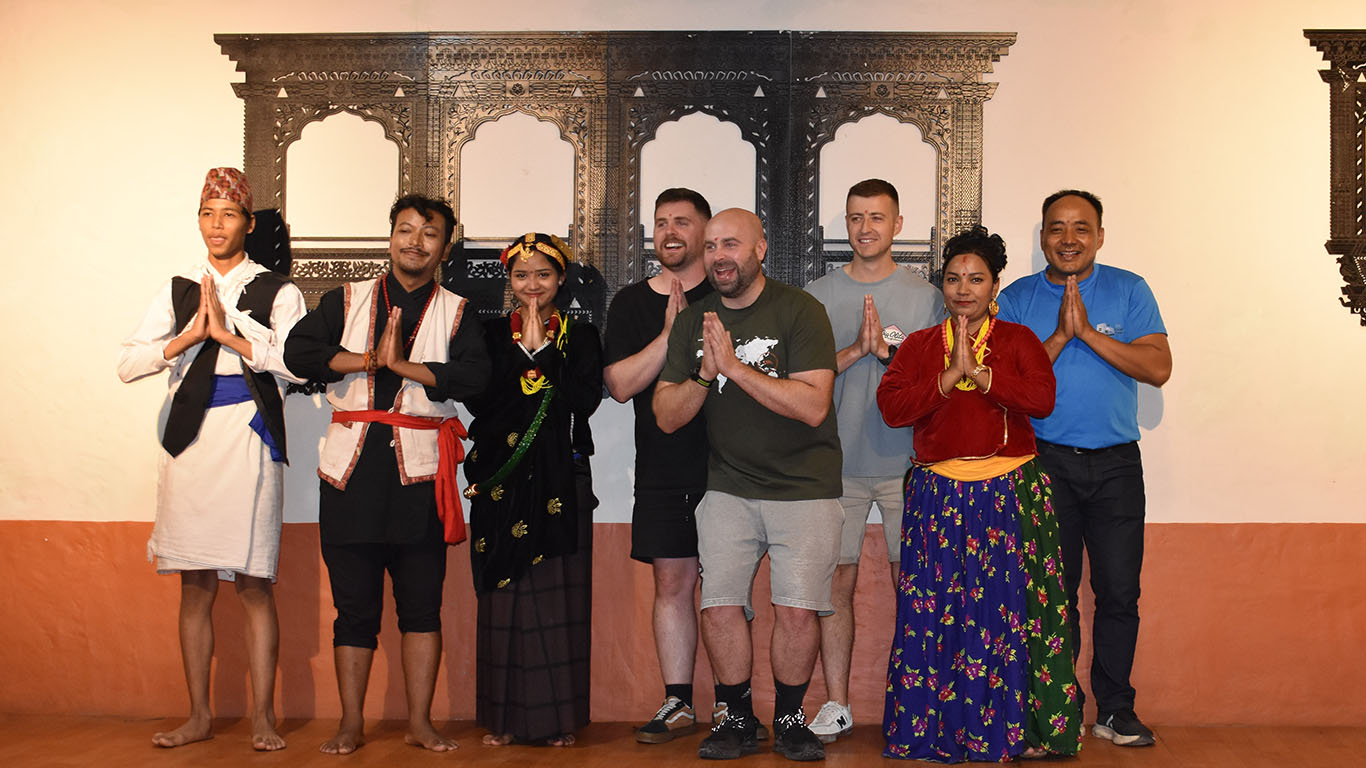 Nepal is a land where mountains define daily life, culture, belief systems, and identity. From ancient trade routes to modern trekking trails, the Himalayas have always shaped how people live and travel here. Among all trekking journeys in Nepal, the Everest Base Camp Trek and the Everest Three High Passes Trek stand out as the most iconic and rewarding experiences in the world.
Table of Contents
These legendary routes take travelers deep into the Everest region, offering dramatic mountain landscapes, rich Sherpa culture, high-altitude adventure, and a powerful sense of personal achievement. Operated by Sole Encounters Adventures, both treks are carefully designed to balance safety, cultural immersion, physical challenge, and authentic local experiences.
From the moment travelers arrive in Kathmandu until their final departure, every detail is professionally managed so trekkers can focus on enjoying the journey rather than worrying about logistics.
Sole Encounters Adventures
A Local Himalayan Company Built on Experience and Trust
Sole Encounters Adventures is a Nepal-based trekking and adventure company established in 2018 by experienced mountain professionals who were born and raised in the Himalayas. The company was founded with a clear belief that trekking in Nepal should be safe, well managed, culturally respectful, and beneficial to local communities.
As a locally operated company, Sole Encounters Adventures understands Himalayan weather patterns, trail conditions, altitude challenges, and cultural traditions at a deep level. Our team includes licensed trekking guides, trained porters, and experienced support staff who have spent years working in high-altitude regions across Nepal.
Before travelers arrive in Nepal, they receive detailed guidance on trekking preparation, packing lists, altitude awareness, fitness requirements, and travel planning. Upon arrival in Kathmandu, guests are welcomed personally and assisted with final preparations. After the trek, we continue to support travelers with accommodation, sightseeing, and onward travel arrangements.
This complete before-and-after service is one of the main reasons our clients feel confident, relaxed, and well cared for throughout their Himalayan adventure.
The Everest Region
Geography, History, and Mountain Lifestyle
The Everest region, also known as the Khumbu region, lies in northeastern Nepal near the border with Tibet. It is home to some of the highest and most iconic mountains on Earth, including Mount Everest, Lhotse, Nuptse, Ama Dablam, Cho Oyu, and Makalu.
Historically, the Khumbu region served as a remote trading route between Nepal and Tibet. Over centuries, the Sherpa people settled here and developed a unique mountain lifestyle adapted to high altitude and harsh weather. Their culture is deeply influenced by Tibetan Buddhism, which is visible in monasteries, prayer flags, mani walls, and daily rituals throughout the trekking routes.
The region gained global recognition after the first successful ascent of Mount Everest in 1953 by Sir Edmund Hillary and Tenzing Norgay Sherpa. Since then, trekking and mountaineering have become the primary sources of livelihood for local communities.
Despite growing popularity, the Everest region has preserved its traditional values, hospitality, and spiritual connection to the mountains. Trekking here is not only a physical journey but also a cultural and historical experience.
Everest Base Camp Trek
The Classic Journey to the Foot of the World’s Highest Mountain
Overview of the Everest Base Camp Trek
The Everest Base Camp Trek is the most famous trekking route in Nepal and one of the most recognized treks worldwide. It leads trekkers to the base camp of Mount Everest at 5,364 meters and includes a hike to Kala Patthar at 5,545 meters, the best viewpoint for close-up Everest panoramas.
Official trek page:
https://www.soleencounterstrek.com/trip/everest-base-camp-trek
This trek is suitable for travelers with good physical fitness and determination. No technical climbing skills are required, but altitude, changing weather, and long walking days make it a rewarding challenge.
Everest Base Camp Trek Packages with Sole Encounters Adventures
Our Everest Base Camp Trek packages are designed to provide a smooth, safe, and enriching experience from start to finish.
The package includes airport transfers, hotel stays in Kathmandu before and after the trek, domestic flights to and from Lukla, trekking permits, experienced local guides, porter support, teahouse accommodation along the trail, and a well-planned acclimatization schedule.
We offer both private treks and small group treks, allowing flexibility based on travel style, budget, and personal preferences. Custom itineraries can also be arranged for families, solo travelers, or travelers with specific interests.
From Kathmandu to Lukla
Where the Himalayan Adventure Begins
The journey begins with a scenic flight from Kathmandu to Lukla Airport, one of the most iconic mountain airports in the world. Lukla’s short runway and location make it a unique part of the Everest trekking experience and a vital gateway to the region.
From Lukla, the trail descends gently to Phakding and follows the Dudh Koshi River through forests, suspension bridges, and traditional Sherpa villages. These early days are designed to help trekkers adapt gradually while enjoying beautiful scenery and cultural encounters.
Namche Bazaar
Acclimatization and Sherpa Culture
Namche Bazaar is the heart of the Khumbu region and an essential acclimatization stop. This vibrant Sherpa town offers bakeries, local markets, museums, and panoramic viewpoints overlooking Everest, Lhotse, and Ama Dablam.
Acclimatization hikes to nearby ridges and viewpoints help the body adjust to altitude safely while offering spectacular mountain views. Proper acclimatization is one of the most important factors for a successful and enjoyable trek.
Everest Base Camp and Kala Patthar
A Moment of Achievement and Inspiration
As the trail ascends beyond Namche, the landscape becomes more alpine and rugged. Trekkers pass through Tengboche, Dingboche, Lobuche, and Gorak Shep before reaching Everest Base Camp.
Standing at Everest Base Camp is an emotional and powerful moment. Although Everest’s summit is not visible from base camp, the surrounding glaciers, icefalls, and expedition atmosphere make the experience unforgettable.
A sunrise hike to Kala Patthar provides the most dramatic views of Everest and surrounding peaks, marking the highest point of the trek.
Everest Three High Passes Trek
The Ultimate Everest Region Adventure
Overview of the Everest Three High Passes Trek
The Everest Three High Passes Trek is the most comprehensive and challenging trekking route in the Everest region. It includes all highlights of the Everest Base Camp Trek while adding three high mountain passes and the remote Gokyo Valley.
Official trek page:
https://www.soleencounterstrek.com/trip/everest-three-high-passes-trek
This trek is recommended for experienced trekkers who want a deeper exploration of the Himalayas, fewer crowds, and more demanding terrain.
Everest Three High Passes Trek Package
Our Everest Three High Passes Trek package includes extended acclimatization, expert high-altitude guides, porter support, teahouse accommodation, and complete logistical management.
The trek crosses:
-
Kongma La Pass at 5,535 meters
-
Cho La Pass at 5,420 meters
-
Renjo La Pass at 5,340 meters
These passes connect remote valleys and offer panoramic mountain views that very few trekkers experience.
Gokyo Valley and High Mountain Lakes
Hidden Beauty of the Everest Region
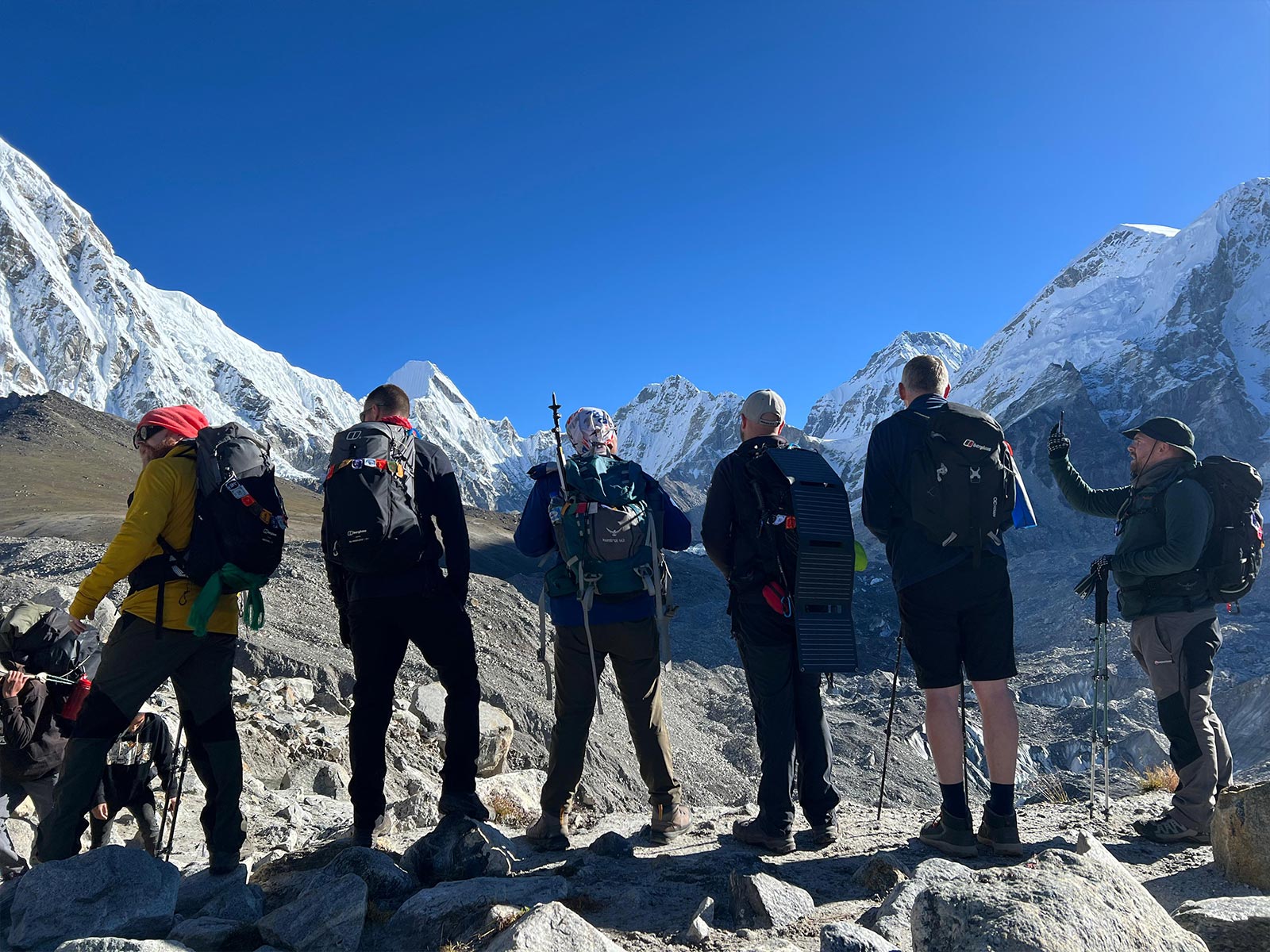
One of the highlights of this trek is the Gokyo Valley Trek, home to a chain of turquoise glacial lakes. A hike to Gokyo Ri offers breathtaking views of Everest, Cho Oyu, Makalu, and the massive Ngozumpa Glacier.
The combination of Everest Base Camp, Gokyo Lakes, and three high passes makes this trek the most complete journey in the Khumbu region.
Altitude, Acclimatization, and Walking Pace
Both treks involve walking at high altitude where oxygen levels are lower. Walking slowly, resting properly, and following acclimatization schedules are essential for safety.
Daily walking time generally ranges from five to seven hours. The terrain includes stone steps, forest trails, glacial moraines, and mountain ridges. Difficulty increases with altitude, but our guides carefully manage pace and monitor health throughout the trek.
Acclimatization days include short hikes that help the body adapt while allowing recovery.
Teahouse Accommodation and Daily Life on the Trail
Accommodation during both treks is in local teahouses, simple lodges run by mountain families. Rooms usually have twin beds with shared bathrooms, and dining halls provide a warm social space.
Staying in teahouses supports the local economy and allows travelers to experience Himalayan village life firsthand. Meals are freshly prepared and include both local and international options such as dal bhat, soups, rice, noodles, vegetables, tea, and hot drinks.
Weather, Trail Conditions, and Safety
Mountain weather can change quickly. Clear mornings may turn cloudy or windy by afternoon. Flights to Lukla depend on visibility, and flexibility is important.
Our guides monitor weather forecasts, trail conditions, and client health daily. Safety decisions are always prioritized over schedules, and itineraries are designed conservatively to reduce risk and maximize enjoyment.
Wildlife, Nature, and Scenic Landscapes
Sagarmatha National Park is home to diverse flora and fauna. Trekkers may see Himalayan thar, musk deer, yaks, colorful pheasants, and a variety of bird species. Snow leopards are rare, but signs of wildlife activity are sometimes visible.
The landscapes change daily, from forests and rivers to glaciers, high passes, and towering Himalayan peaks, offering constant visual reward.
Culture and Spiritual Life in Nepal
Nepal is culturally diverse, with Hinduism and Buddhism coexisting peacefully. In the Everest region, Tibetan Buddhism strongly influences daily life. Monasteries, prayer wheels, chortens, and sacred landmarks reflect centuries-old spiritual traditions.
Daily interactions with local people provide insight into Sherpa values, mountain spirituality, and community life.
Kathmandu Experience Before and After the Trek
Kathmandu is more than a starting point. It is a city rich in history, architecture, and living culture. Before and after the trek, travelers can explore UNESCO World Heritage Sites such as Swayambhunath, Pashupatinath, Boudhanath, and Kathmandu Durbar Square.
Sole Encounters Adventures assists with sightseeing, cultural experiences, and logistics, ensuring a smooth transition between trekking and city exploration.
Why Travelers Choose the Everest Base Camp Trek
Travelers choose the Everest Base Camp Trek because it offers:
-
A legendary Himalayan destination
-
Strong cultural immersion
-
Manageable difficulty for fit trekkers
-
Stunning scenery every day
-
A deep sense of achievement without technical climbing
It is often described as a life-changing journey.
Why Travelers Love Trekking with Sole Encounters Adventures
Our travelers consistently highlight:
-
Clear communication before arrival
-
Professional and friendly local guides
-
Safe pacing and proper acclimatization
-
Well-organized logistics in Kathmandu and on the trail
-
Authentic cultural experiences
-
Personalized service for private and group treks
Many guests return to Nepal or recommend us to friends and family.
Final Thoughts
The Everest Base Camp Trek and the Everest Three High Passes Trek are not just trekking routes. They are journeys through history, culture, nature, and personal challenge. With Sole Encounters Adventures, travelers experience Nepal through local knowledge, genuine hospitality, and responsible trekking practices.
Explore Everest Base Camp Trek packages:
https://www.soleencounterstrek.com/trip/everest-base-camp-trek
Explore Everest Three High Passes Trek packages:
https://www.soleencounterstrek.com/trip/everest-three-high-passes-trek
Recent Posts
.jpg)
3rd Jul, 2025
.jpg)
4th Jul, 2025
.jpg)
4th Jul, 2025
.jpg)
7th Jul, 2025
.jpg)
8th Jul, 2025
.jpg)
8th Jul, 2025
.jpg)
8th Jul, 2025

10th Jul, 2025