Trekking Permits for Everest Region: TIMS & Sagarmatha National Park Guide
- soleencounters
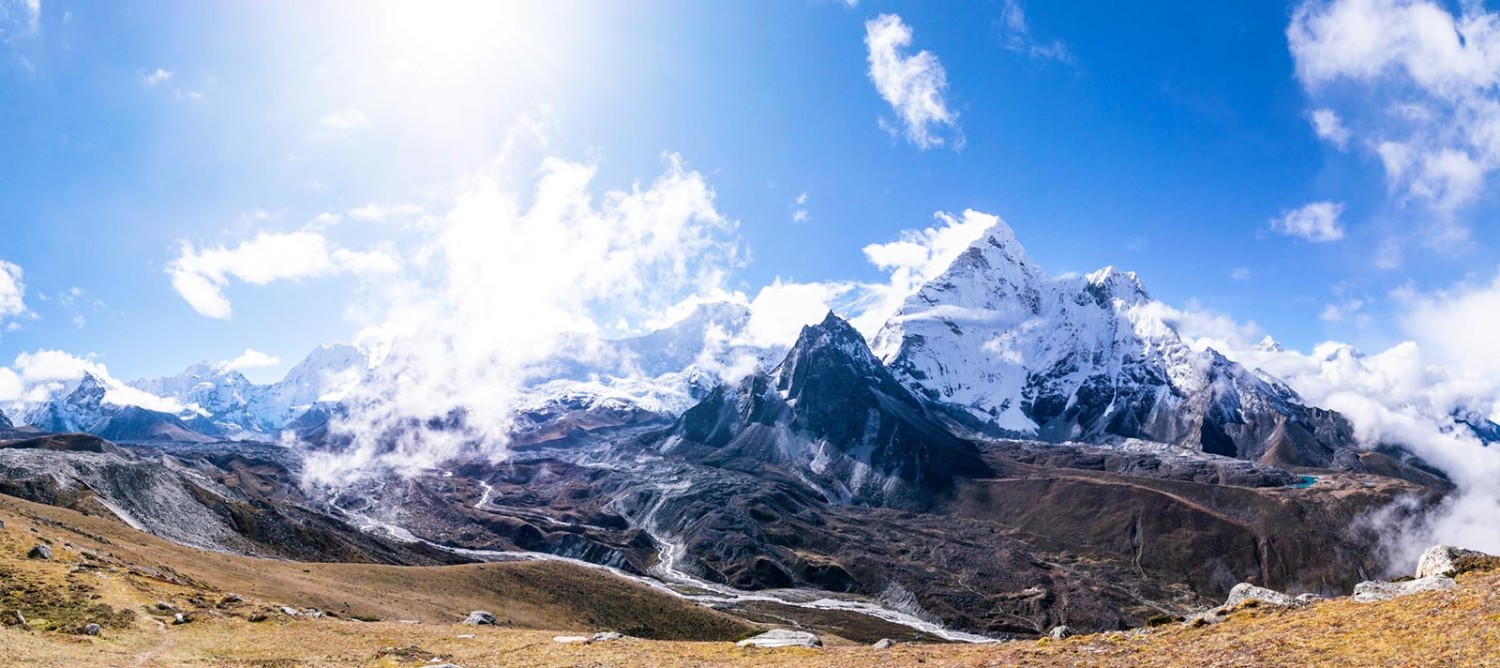
Trekking to the Everest Region is a dream adventure for many, offering stunning Himalayan views, rich Sherpa culture, and an unforgettable journey to the iconic Everest Base Camp. Before you embark on this epic trek, understanding the necessary trekking permits for the Everest Region is essential. These permits not only regulate the number of visitors to preserve the fragile environment but also ensure your safety and legal compliance during the trek.
Table of Contents
In this comprehensive guide, we will explore the key permits required for trekking in the Everest Region, including the TIMS (Trekkers' Information Management System) card, Sagarmatha National Park Permit, and other important considerations. Whether you are planning the classic Everest Base Camp Trek or exploring surrounding trails, this guide will provide the essential information and insider tips you need.
Understanding Trekking Permits for the Everest Region
Trekking permits are mandatory for all trekkers visiting the Everest Region of Nepal. These permits help manage trekking activities and protect the natural and cultural heritage of the area. The main permits required are:
1. TIMS Card (Trekkers’ Information Management System)
The TIMS card is a government-issued document designed to monitor trekkers’ movement and improve safety. It was introduced to regulate trekking activities across Nepal’s popular regions.
-
Who needs it? All trekkers traveling independently or with a guide/agency.
-
Where to obtain? TIMS cards can be purchased in Kathmandu, Pokhara, or at the Nepal Tourism Board offices.
-
Cost:
-
Independent trekkers: Approximately USD 20
-
Trekkers with an organized group or guide: Approximately USD 10
-
-
Purpose:
-
Ensures trekkers are registered.
-
Helps in rescue and emergency situations.
-
Provides data for sustainable tourism management.
-
For Everest Region trekking, the TIMS card is a compulsory permit that you must carry at all times.
2. Sagarmatha National Park Permit
Sagarmatha National Park is a UNESCO World Heritage site that encompasses the Everest Region's core trekking routes. The park permit is essential for entry into this protected area.
-
Who needs it? All trekkers entering Sagarmatha National Park.
-
Where to obtain? Can be purchased at park entrances such as Monjo, or beforehand in Kathmandu or at tourism offices.
-
Cost: Approximately USD 30 per person.
-
Validity: Typically 15 to 30 days, extendable if needed.
-
Purpose:
-
Conservation of flora, fauna, and cultural heritage.
-
Controls environmental impact.
-
Supports park rangers and local communities.
-
The Sagarmatha National Park Permit is crucial for anyone trekking to Everest Base Camp and surrounding high-altitude areas like Namche Bazaar, Tengboche, and Dingboche.
3. Local Area Entry Fees and Other Permits
Apart from the TIMS and Sagarmatha National Park permits, there may be additional fees such as:
-
Local Village Entry Fees: Some villages or restricted zones charge small entry fees that go towards local infrastructure and community welfare.
-
Khumbu Pasang Lhamu Rural Municipality Fee: Applicable in some parts of the region; it contributes to community development.
While these fees are often modest, it’s important to budget for them as part of your overall trekking expenses.
Where and How to Obtain Your Permits
Kathmandu
Most trekkers obtain their permits in Kathmandu before departure. Authorized agencies, trekking offices, or government tourism counters handle permit issuance. This approach is convenient, especially when arranging your Everest Base Camp Trek through a registered company like Sole Encounters Trekking Pvt. Ltd.
At the Trekking Entry Points
Permits can also be purchased at the entry points to the Everest Region, such as at Monjo or Jorsalle (Sagarmatha National Park entrances). However, acquiring them beforehand is recommended to avoid delays or unexpected issues.
Best Time to Visit and Permit Validity
Trekking permits for the Everest Region are valid for a limited period, usually 15 to 30 days, depending on the permit type and issuing authority. The most popular trekking seasons are:
-
Pre-monsoon (Spring): March to May
-
Post-monsoon (Autumn): Late September to November
During these seasons, the weather is generally stable, and the permits' validity is sufficient for a standard 12-14 day trek to Everest Base Camp.
Tips and Local Insights for Permits
-
Carry original permits: Always keep original permit cards on you while trekking; they may be checked by park officials and local authorities.
-
Avoid unauthorized agents: Obtain permits only through official channels or trusted trekking companies to avoid scams.
-
Permit checks: Checkpoints are common in the Everest Region; be cooperative and ready to show your permits.
-
Lost permits: If you lose a permit, contact local authorities or your trekking company immediately for replacement procedures.
-
Permit fees support conservation: Fees collected are used to maintain trails, support park rangers, and protect wildlife habitats.
Why Proper Permits Matter for Your Everest Base Camp Trek
Without the correct permits, trekking in the Everest Region is illegal and can result in fines or deportation. Permits also demonstrate your commitment to responsible trekking and environmental stewardship. They contribute directly to preserving Nepal’s natural heritage and supporting the local Sherpa communities who warmly welcome visitors.
For a hassle-free trekking experience with permits and all logistics managed professionally, consider booking your trek through Sole Encounters Trekking Pvt. Ltd.. Our team ensures your permits, accommodations, and guides are arranged in advance for a smooth and safe journey.
Conclusion
Obtaining the correct trekking permits for the Everest Region — including the TIMS card and Sagarmatha National Park Permit — is a fundamental step before setting off on your Everest Base Camp trek. These permits ensure your legal entry, support environmental conservation, and enhance your safety during the adventure.
Planning ahead and securing your permits through official and trustworthy sources is the best way to avoid complications and focus fully on the spectacular landscapes and unique cultural experiences awaiting you in the Himalayas.
If you are ready to begin your journey or want expert advice on trekking permits and logistics, don’t hesitate to talk to our experts or contact us at Sole Encounters Trekking Pvt. Ltd.
Start your Everest Base Camp adventure today with all the right permits in hand!
Related Pages:
-
Trekking in Nepal
-
Sagarmatha National Park
Recent Posts
.jpg)
3rd Jul, 2025
.jpg)
4th Jul, 2025
.jpg)
4th Jul, 2025
.jpg)
7th Jul, 2025
.jpg)
8th Jul, 2025
.jpg)
8th Jul, 2025
.jpg)
8th Jul, 2025

10th Jul, 2025