

Everest Base Camp Trek: A Complete Guide for First-Time Trekkers
The Everest Base Camp Trek is one of the most famous trekking adventures in the world. Set in Nepal’s Khumbu region, this journey takes you through dramatic Himalayan landscapes, traditional Sherpa villages, ancient Buddhist monasteries, and glacial valleys, all the way to the base of the world’s highest mountain.
This detailed guide is written especially for beginners and first-time trekkers. It explains the Everest Base Camp trek route, difficulty level, altitude and acclimatization, food and accommodation, best trekking seasons, packing essentials, safety considerations, and why trekking with a professional local company like Sole Encounters Adventures makes a real difference.
For full itinerary details and booking information, visit our official trip page:
👉 https://www.soleencounterstrek.com/trip/everest-base-camp-trek
What Is the Everest Base Camp Trek?
Everest Base Camp is located at an altitude of 5,364 meters in eastern Nepal. The trek begins with a scenic mountain flight from Kathmandu to Lukla, followed by a gradual walk through the Khumbu Valley.
Unlike technical mountaineering expeditions, the Everest Base Camp trek does not require climbing skills or ropes. It is a high-altitude trek that rewards patience, steady pacing, and proper acclimatization. With the right itinerary and guidance, it is achievable for healthy beginners.
Why Trek to Everest Base Camp?
Many people think the Everest Base Camp trek is only about Mount Everest, but the experience is far richer than that.
Highlights of the trek include:
-
Views of Mount Everest, Lhotse, Nuptse, Ama Dablam, and other Himalayan giants
-
Walking through famous Sherpa villages like Namche Bazaar and Khumjung
-
Visiting sacred monasteries such as Tengboche Monastery
-
Crossing high suspension bridges above deep river gorges
-
Experiencing daily life in the Everest region
Every day offers a new landscape and cultural experience, making the journey as meaningful as the destination.
Everest Base Camp Trek Route Overview
The classic Everest Base Camp trek follows a well-established trail through the Khumbu region.
After flying to Lukla, the trek begins with a gentle walk to Phakding. The trail then climbs steadily to Namche Bazaar, the main trading hub of the region and an important acclimatization stop. From Namche, the route continues to Tengboche, Dingboche, Lobuche, and Gorakshep before reaching Everest Base Camp.
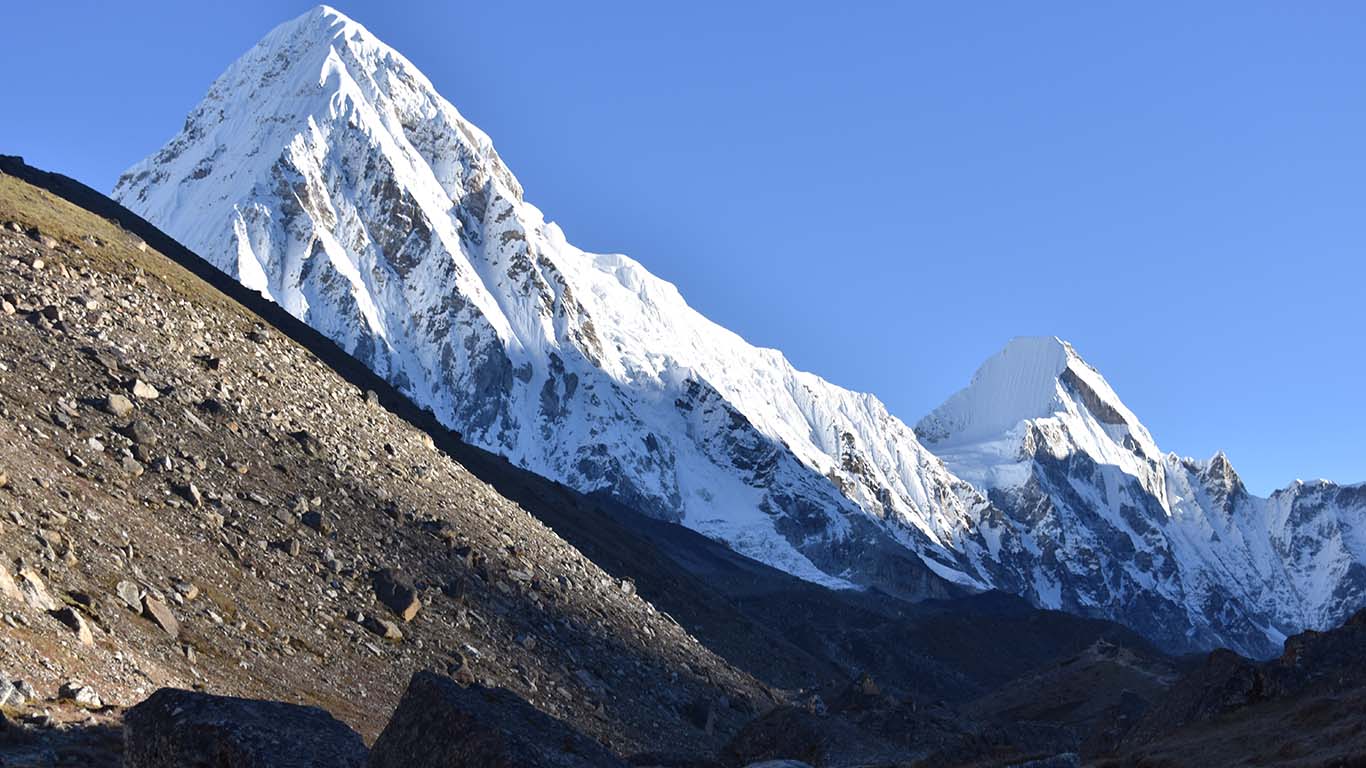
Most itineraries also include a hike to Kala Patthar, which offers one of the best close-up views of Mount Everest and the surrounding peaks.
Daily Walking Distance and Pace
The Everest Base Camp trek is not about covering long distances quickly. It is about walking steadily at altitude.
On average, trekkers walk:
-
5 to 7 hours per day
-
At a slow and consistent pace
-
With frequent rest breaks
The trail includes rocky sections, gradual ascents, and descents. Walking slowly is essential, even if you feel strong at lower elevations.
Altitude and Acclimatization on the Everest Base Camp Trek
Altitude is the most important factor on the Everest Base Camp trek. As you gain elevation, oxygen levels decrease, and your body needs time to adapt.
A properly designed itinerary includes acclimatization days, usually in Namche Bazaar and Dingboche. On these days, you take short hikes to higher elevations and return to sleep lower. This helps reduce the risk of altitude sickness.
Key acclimatization tips include:
-
Walk slowly and maintain a steady rhythm
-
Drink plenty of water
-
Eat well, even if your appetite decreases
-
Avoid alcohol at higher elevations
-
Inform your guide immediately if you feel unwell
Experienced guides monitor your health daily and adjust the plan if necessary.
How Difficult Is the Everest Base Camp Trek?
The Everest Base Camp trek is considered moderately challenging. It does not require technical skills, but it does demand endurance and mental readiness.
Main challenges include:
-
High altitude
-
Cold temperatures at higher elevations
-
Simple accommodation
-
Consecutive days of walking
With basic fitness, proper preparation, and a sensible itinerary, most first-time trekkers complete the trek successfully.
Best Time to Trek Everest Base Camp
Choosing the right season greatly affects your trekking experience.
Spring, March to May
Spring offers warmer temperatures, longer daylight hours, and blooming rhododendrons at lower elevations. Morning views are often clear, with clouds forming later in the day.
Autumn, September to November
Autumn provides stable weather, crisp air, and excellent mountain visibility. This is the most popular trekking season.
Winter is colder and quieter, while monsoon season brings rain and cloud, which can affect flights and views.
Accommodation on the Everest Base Camp Trek
Accommodation during the trek is in teahouses, which are family-run mountain lodges.
What to expect:
-
Simple twin rooms with beds and blankets
-
Shared bathrooms in most places
-
Limited heating in sleeping rooms
-
Charging facilities available for a small fee
-
Warm dining rooms heated by a stove in the evening
Facilities become more basic as altitude increases, but teahouses are clean and welcoming.
Food and Meals on the Trail
Food on the Everest Base Camp trek is designed to provide energy for long walking days.
Common meals include:
-
Dal bhat with rice, lentils, vegetables, and sometimes eggs
-
Noodles and soups
-
Fried rice and potatoes
-
Eggs and seasonal vegetables
Dal bhat is especially popular because it is nutritious and often comes with free refills. Food prices increase with altitude due to transportation costs.
Packing Essentials for Everest Base Camp Trek
Packing correctly is essential for comfort and safety.
Important items include:
-
Well broken-in hiking boots
-
Warm layers, including an insulated or down jacket
-
Waterproof jacket and trousers
-
Thermal base layers
-
Gloves, warm hat, and sun hat
-
Sunglasses and sunscreen
-
Head torch
-
Water purification tablets or drops
Most trekking gear can be rented or purchased in Kathmandu, but boots and personal clothing should always be tested before the trek.
Permits Required for the Everest Base Camp Trek
The trek requires two permits:
-
Sagarmatha National Park Entry Permit
-
Khumbu Pasang Lhamu Rural Municipality Permit
These permits are arranged by trekking companies and checked at various points along the trail.
Why Trek with a Licensed Guide?
Nepal’s trekking regulations require foreign trekkers to be accompanied by a licensed guide. More importantly, guides play a vital role in safety and overall experience.
A licensed guide provides:
-
Daily health and altitude monitoring
-
Route guidance and pacing
-
Teahouse and meal coordination
-
Emergency support if needed
-
Cultural insight and communication with locals
Trekking with a professional guide reduces risks and allows you to focus on enjoying the journey.
Why Choose Sole Encounters Adventures?
Sole Encounters Adventures is a locally operated company specializing in safe, well-paced Himalayan treks.
When you trek with us, you benefit from:
-
Experienced, licensed English-speaking guides
-
Carefully planned itineraries with acclimatization days
-
Transparent pricing with no hidden costs
-
Permit handling and logistical support
-
Support before, during, and after the trek
We focus on safety, cultural respect, and realistic trekking experiences rather than rushing itineraries.
Learn more about our Everest Base Camp program here:
👉 https://www.soleencounterstrek.com/trip/everest-base-camp-trek
The Experience Beyond the Destination
The true value of the Everest Base Camp trek lies in the journey itself. Each step through the Khumbu region reveals new scenery, traditions, and challenges that encourage patience and resilience. When approached responsibly and with proper acclimatization, this trek is not only achievable for beginners, but also one of the most enriching trekking experiences in Nepal.
Namaste and welcome to the Everest region.
Plan Your Everest Base Camp Trek
Company: Sole Encounters Adventures
Website: https://www.soleencounterstrek.com
Email: info@soleencounterstrek.com
WhatsApp: +977 9808979061